Self-study curriculum from the Colorado School
Public Health

Pregnant mother on couch holding her stomach

Introduction to the Curriculum & General Info

Researchers at the Colorado School of Public Health spent months poring over thousands of published articles to create a self-study curriculum for The Tea on THC™. See how much you know about why young people are using high-concentration cannabis, how they're getting it, and what it may be doing to their mental and physical health.

Discover what cannabis is and understand the significant impacts on your physical and mental health, all backed by the latest scientific evidence. Dive in to gain a deeper understanding and prioritize your well-being.

By participating in this lesson, expecting and new parents will learn:

  • What cannabis is.

  • Different kinds of cannabis products, including high concentration products.

  • The impacts of cannabis use on your physical and mental health, as well as on your fetus or child.
  • Pregnant Women: Lesson 1 - Cannabis, Your Baby, and You
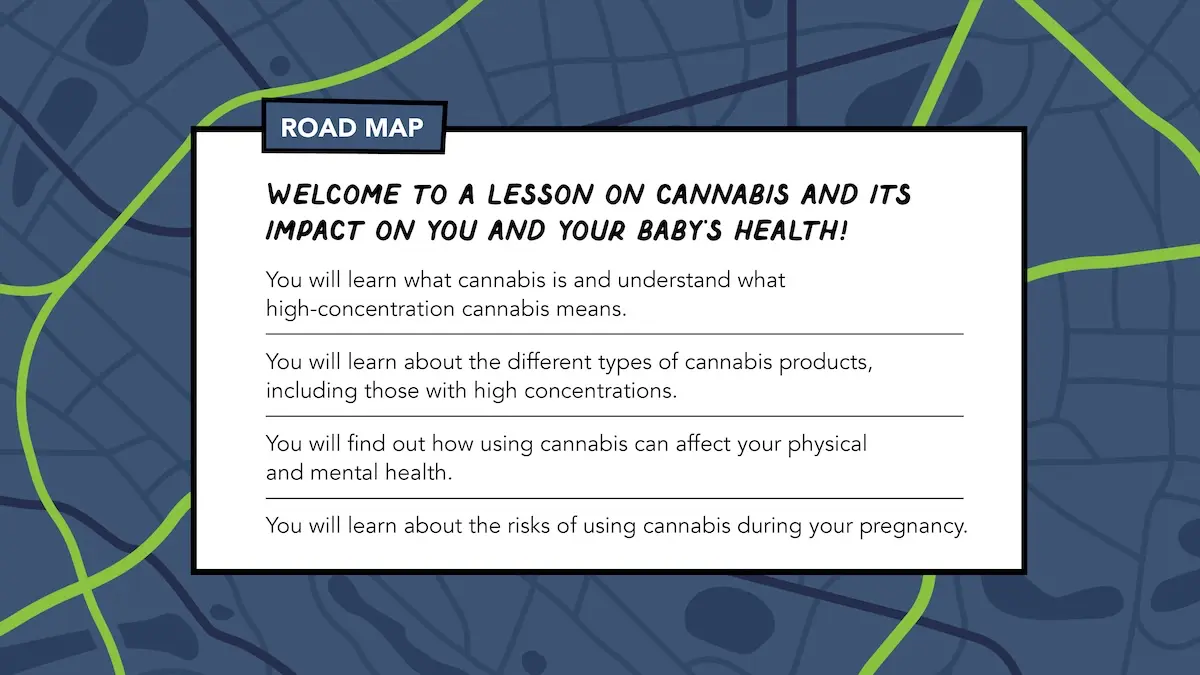
  • Road Map: Welcome to a lesson on cannabis and its impact on you and your baby's health! You will learn what cannabis is and understand what high-concentration cannabis means. You will learn about the different types of cannabis products, including those with high concentrations. You will find out how using cannabis can affect your physical and mental health. You will learn about the risks of using cannabis during your pregnancy.
  • Chapter 1: Understanding Cannabis
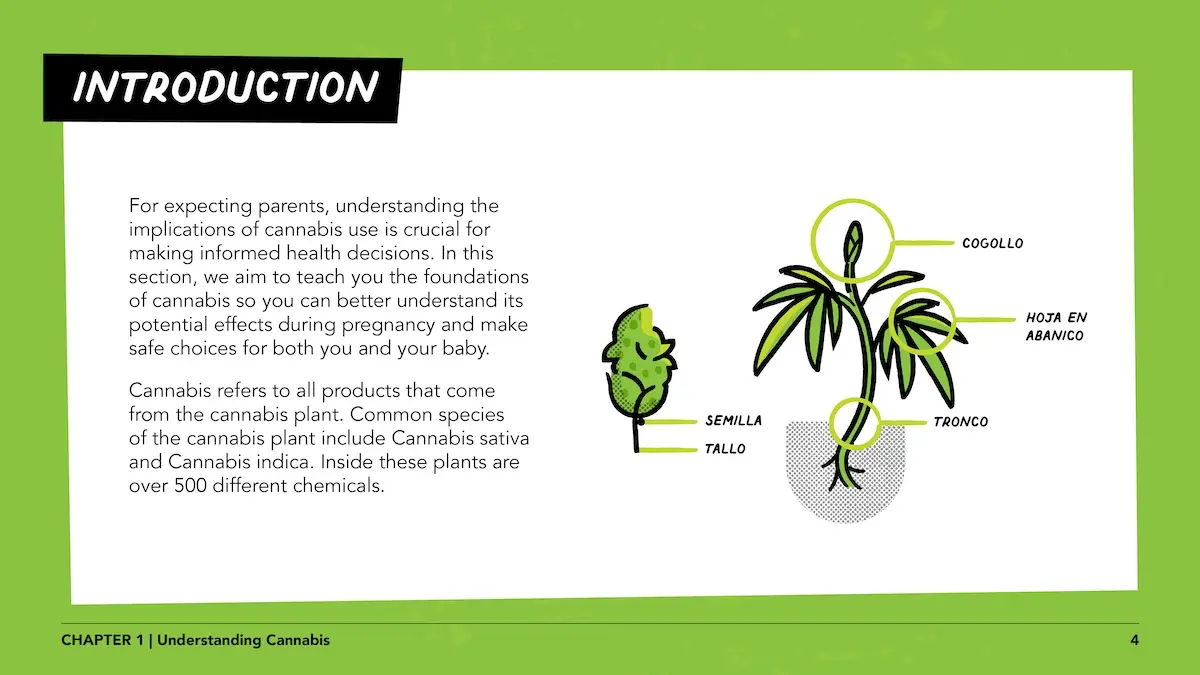
  • Introduction: For expecting parents, understanding the implications of cannabis use is crucial for making informed health decisions. In this section, we aim to teach you the foundations of cannabis so you can better understand its potential effects during pregnancy and make safe choices for both you and your baby.Cannabis refers to all products that come from the cannabis plant. Common species of the cannabis plant include Cannabis sativa and Cannabis indica. Inside these plants are over 500 different chemicals.
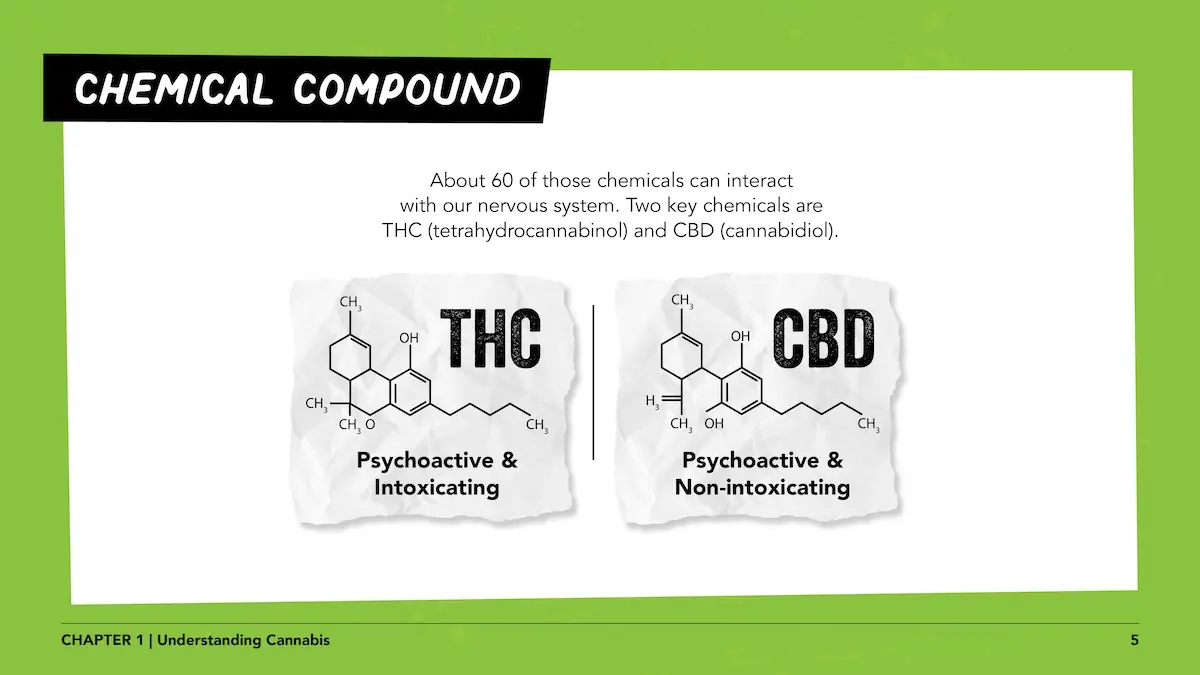
  • Chemical compound: About 60 of those chemicals can interact with our nervous system. Two key chemicals are THC (tetrahydrocannabinol) and CBD (cannabidiol).
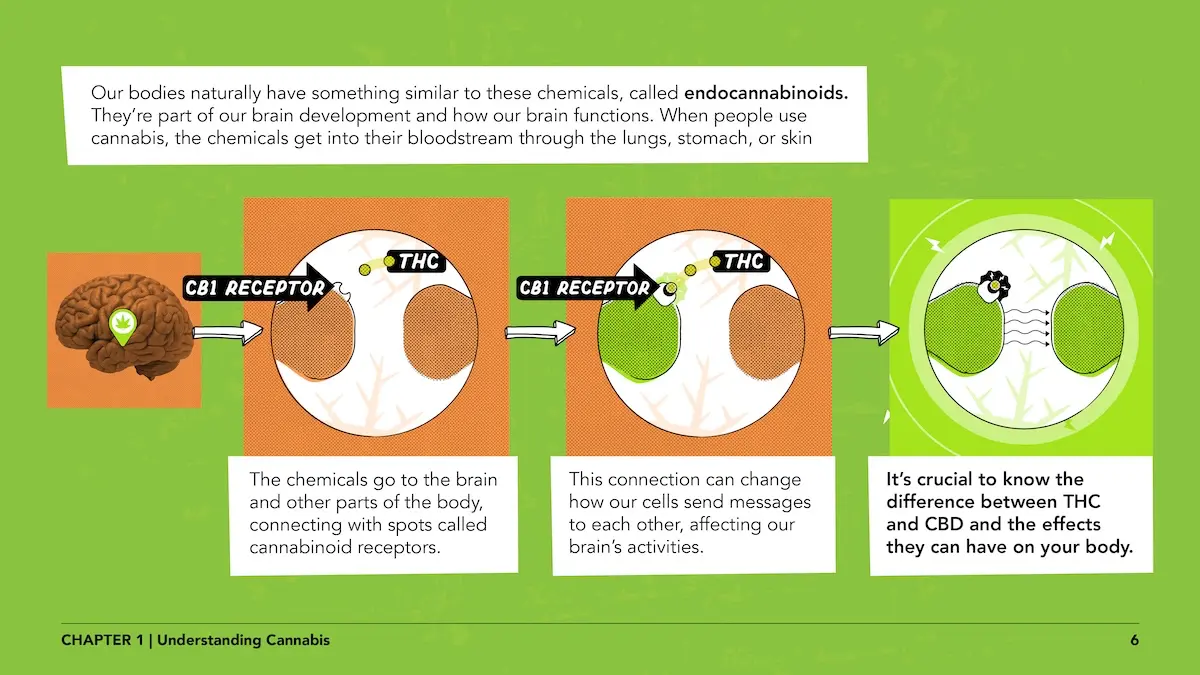
  • Our bodies naturally have something similar to these chemicals, called endocannabinoids. They’re part of our brain development and how our brain functions. When people use cannabis, the chemicals get into their bloodstream through the lungs, stomach, or skin. The chemicals go to the brain and other parts of the body, connecting with spots called cannabinoid receptors. This connection can change how our cells send messages to each other, affecting our brain’s activities. It’s crucial to know the difference between THC and CBD and the effects they can have on your body.
  • THC: BEYOND THE "HIGH": THC is psychoactive, which means it changes how your brain works. It can make you feel very happy or “high,” but it can also cause anxiety or paranoia. There are risks associated with any use of cannabis during pregnancy. Higher concentrations of THC increase these risks. Understanding all the ways THC affects you and your baby is essential. This knowledge can help you understand the impact of THC on your mind and body in the short term and long term.
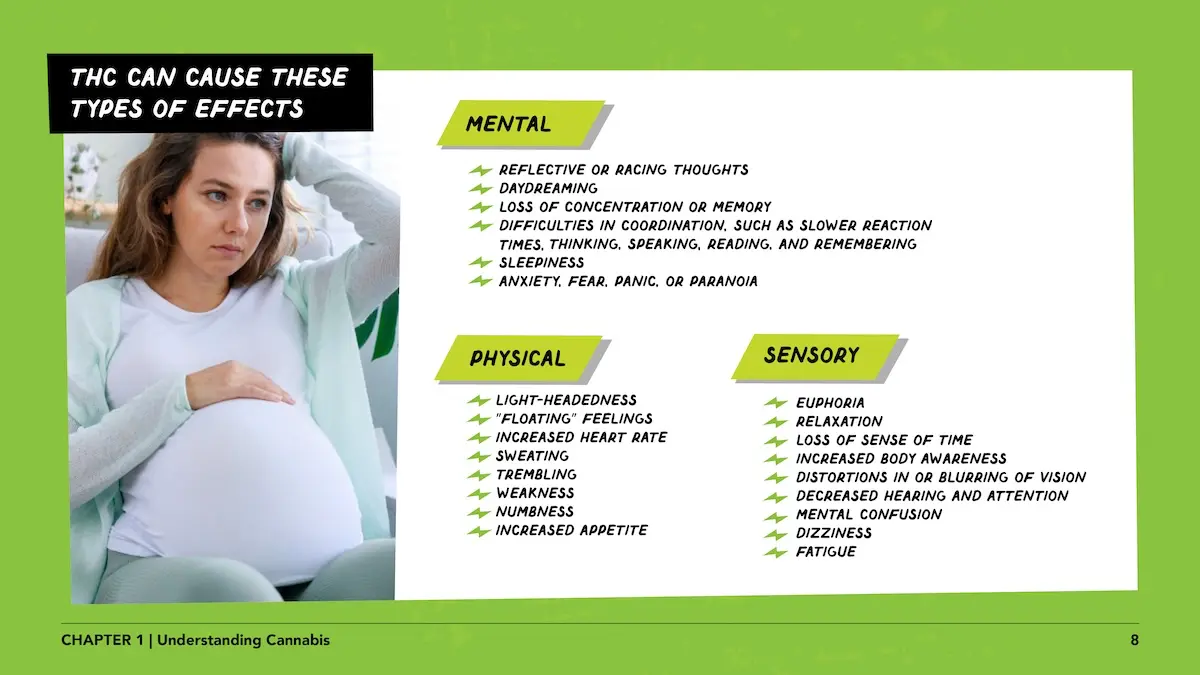
  • THC can cause these types of effects - Mental: Reflective or racing thoughts, daydreaming, loss of concentration or memory, difficulties in coordination, such as slower reaction times, thinking, speaking, reading, and remembering, sleepiness, anxiety, fear, panic, or paranoia. Physical: Light-headedness, "floating" feelings, increased heart reate, sweating, trembling, weakness, numbness, increased appetite. Sensory: euphoria, relaxation, loss of sense of time, increased body awareness, distortions in or blurring of vision, mental confusion, dizziness, fatigue.
  • CBD: Understanding the difference. Unlike THC, CBD does not cause a psychoactive “high.”CBD binds to receptors in the nervous system that could help address pain, anxiety, and inflammation. These effects are still being studied and you should talk to a doctor before using any CBD products.
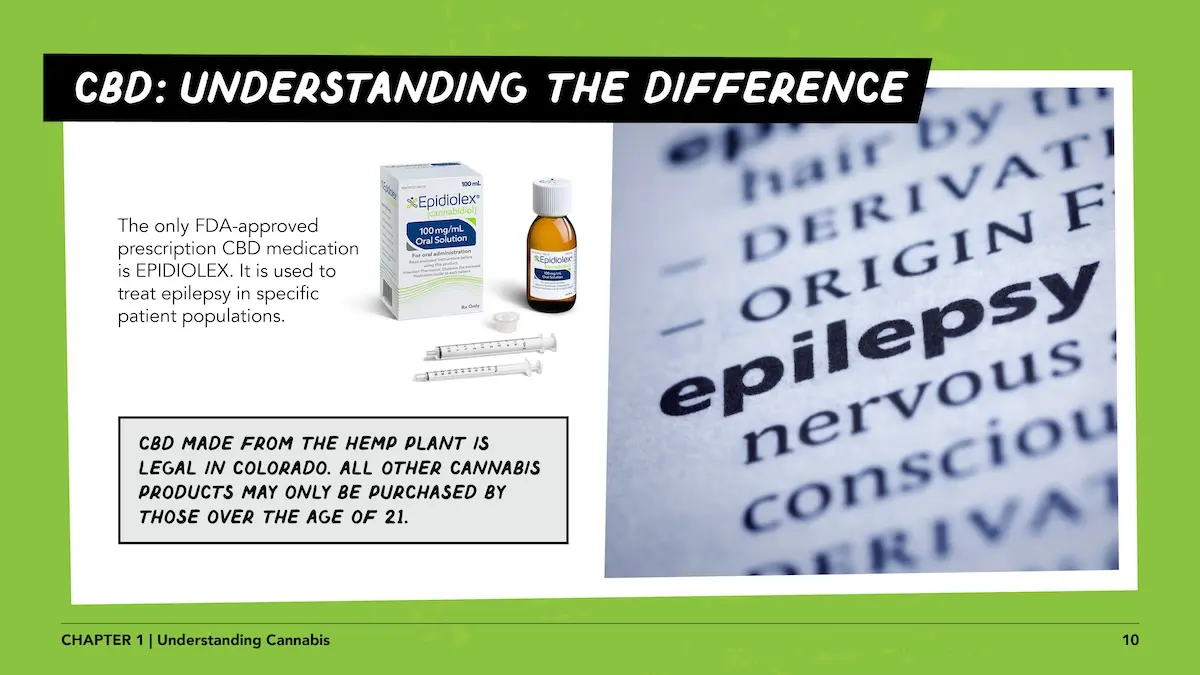
  • CBD: Understanding the difference. The only FDA-approved prescription CBD medication is EPIDIOLEX. It is used to treat epilepsy in specific patient populations. CBD made from the hemp plant is legal in Colorado. All other cannabis products may only be purchased by those over the age of 21.
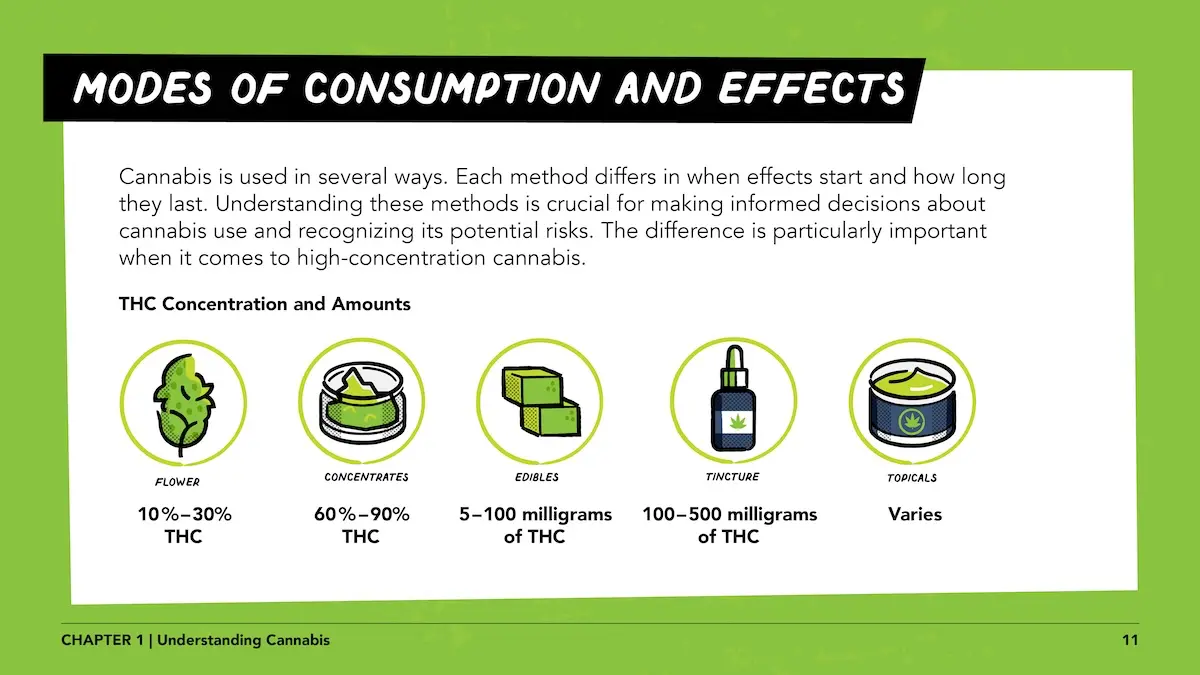
  • Modes of consumption and effects. Cannabis is used in several ways. Each method differs in when effects start and how long they last. Understanding these methods is crucial for making informed decisions about cannabis use and recognizing its potential risks. The difference is particularly important when it comes to high-concentration cannabis. THC concentration and amounts - Flower: 10%-30% THC, Concentrates 60%-90% THC, Edibles 5-100 milligrams of THC, Tincture 100-500 milligrams of THC, Topicals varies
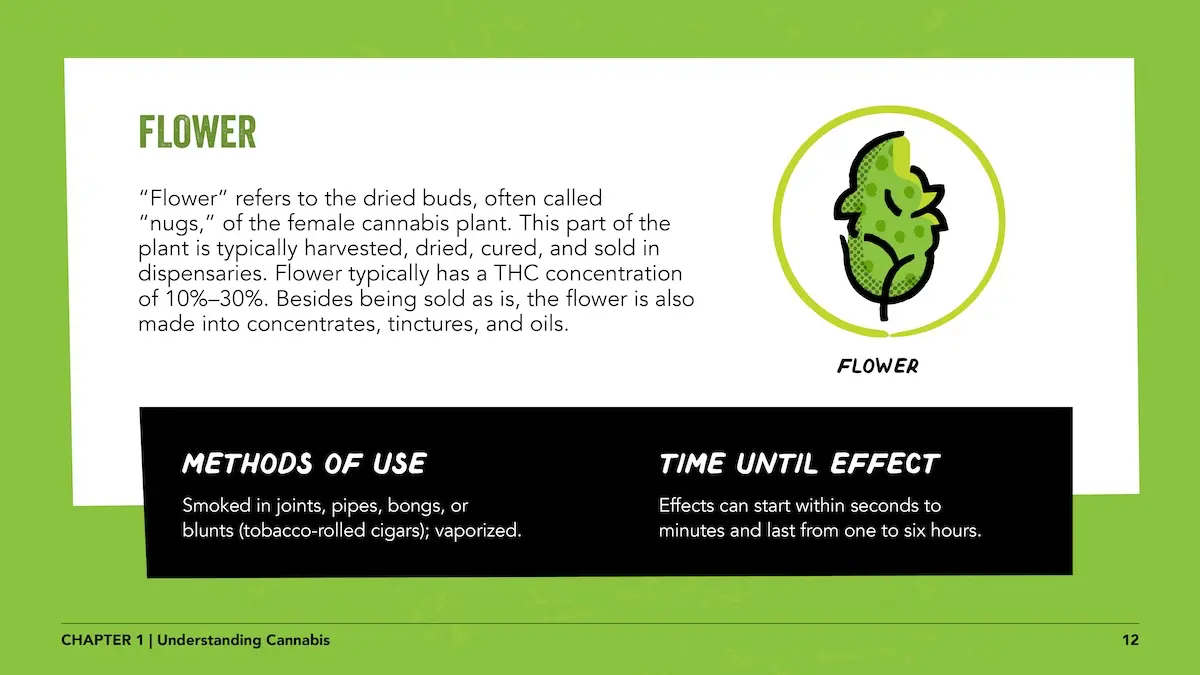
  • Flower - "Flower" refers to the dried buds, often called “nugs,” of the female cannabis plant. This part of the plant is typically harvested, dried, cured, and sold in dispensaries. Flower typically has a THC concentration of 10%–30%. Besides being sold as is, the flower is also made into concentrates, tinctures, and oils. Methods of use: smoked in joints, bongs, or blunts (tobacco-rolled cigars); vaporized.
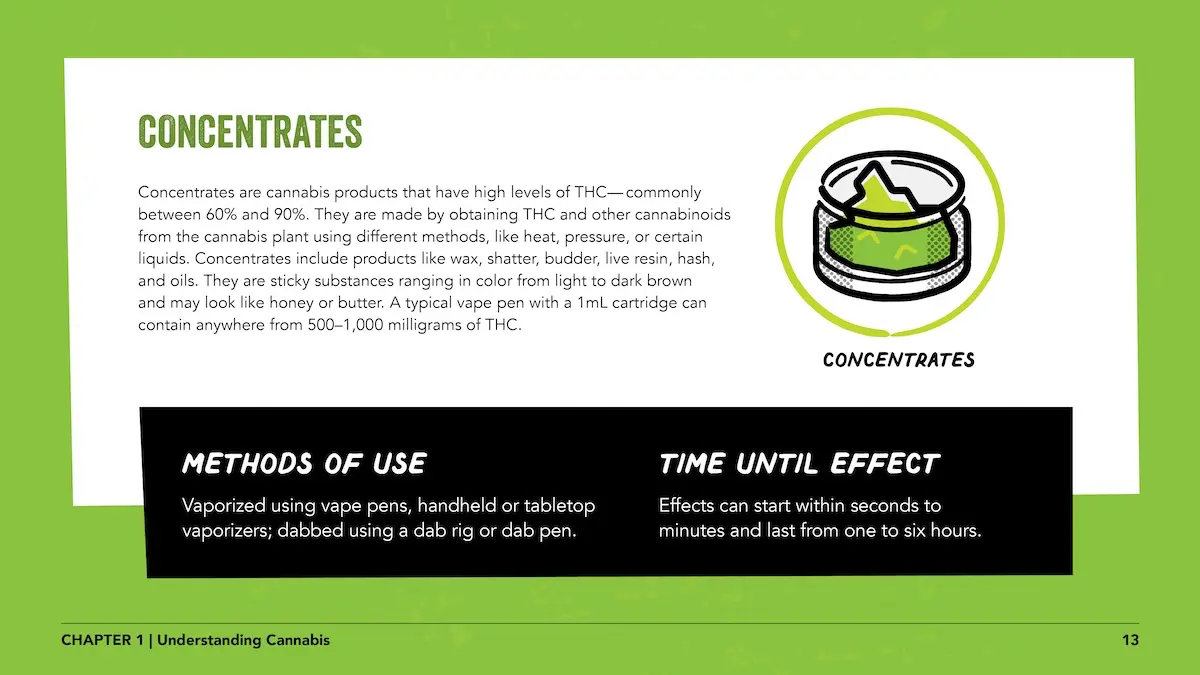
  • Concentrates - Concentrates are cannabis products that have high levels of THC— commonly between 60% and 90%. They are made by obtaining THC and other cannabinoids from the cannabis plant using different methods, like heat, pressure, or certain liquids. Concentrates include products like wax, shatter, budder, live resin, hash, and oils. They are sticky substances ranging in color from light to dark brown and may look like honey or butter. A typical vape pen with a 1mL cartridge can contain anywhere from 500–1,000 milligrams of THC. Methods of use - vaporized using vape pens, handheld or tabletop vaporizers; dabbed using a dab rig or dab pen. Time until effect - effects can start within seconds to minutes and last from one to six hours.
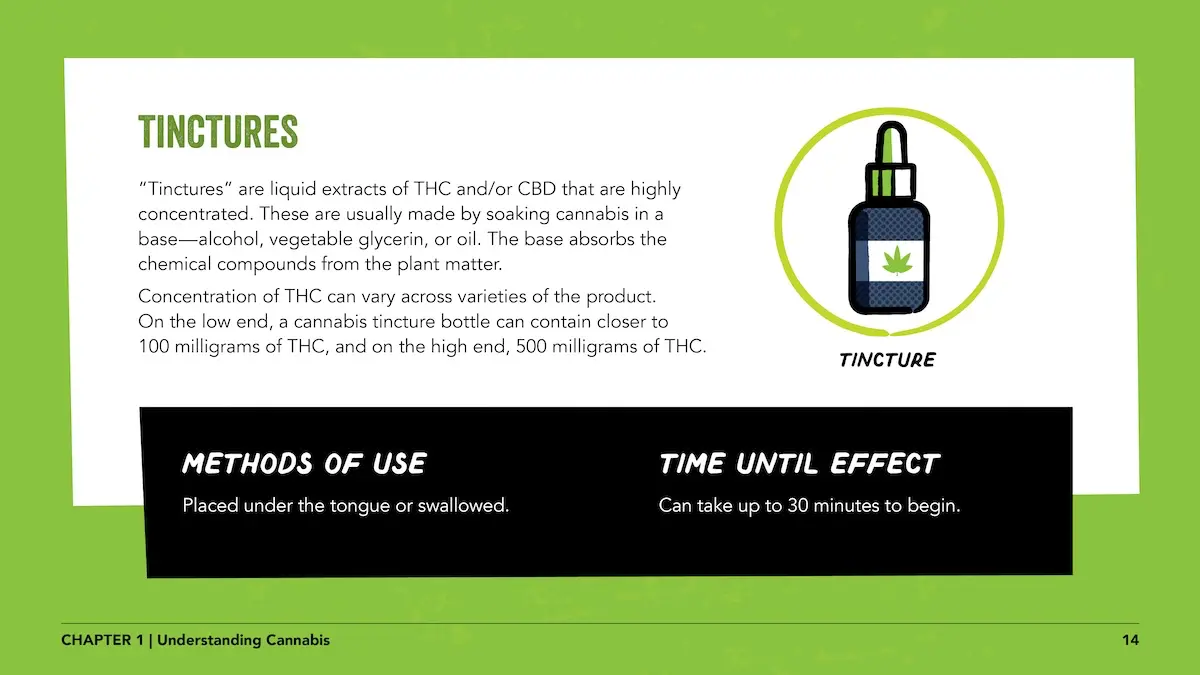
  • Tinctures - “Tinctures” are liquid extracts of THC and/or CBD that are highly concentrated. These are usually made by soaking cannabis in a base—alcohol, vegetable glycerin, or oil. The base absorbs the chemical compounds from the plant matter. Concentration of THC can vary across varieties of the product. On the low end, a cannabis tincture bottle can contain closer to 100 milligrams of THC, and on the high end, 500 milligrams of THC. Methods of use - placed under the tongue or swallowed. Time until effect - can take up to 30 minutes to begin.
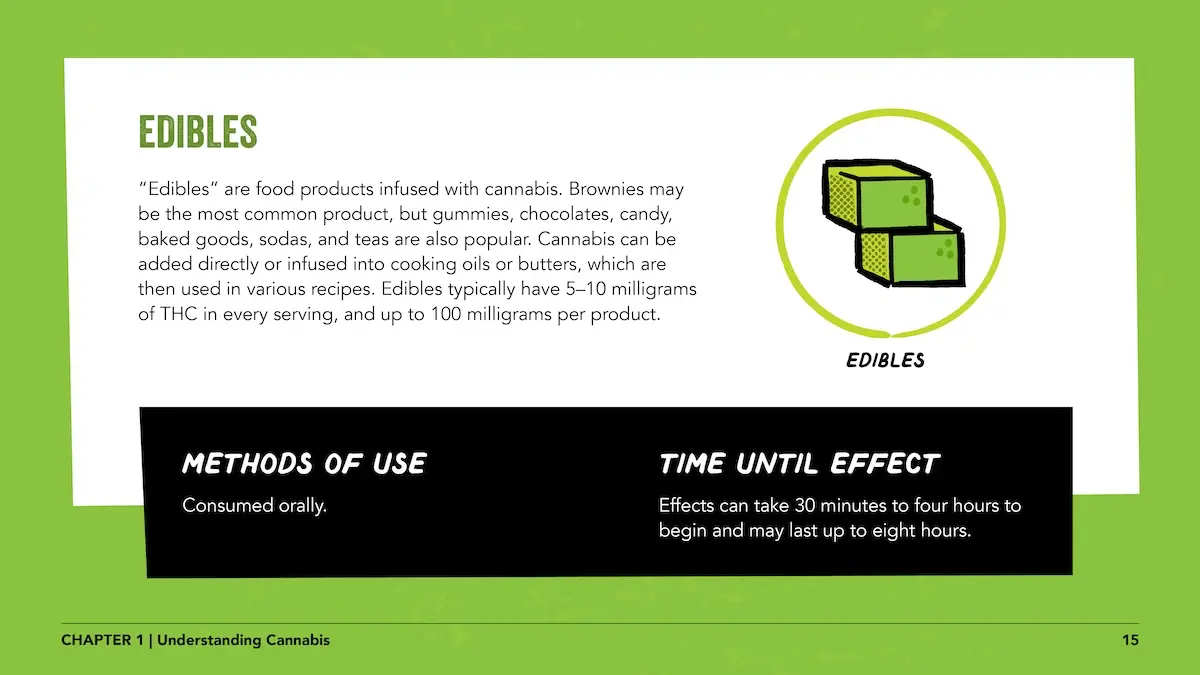
  • Edibles - “Edibles” are food products infused with cannabis. Brownies may be the most common product, but gummies, chocolates, candy, baked goods, sodas, and teas are also popular. Cannabis can be added directly or infused into cooking oils or butters, which are then used in various recipes. Edibles typically have 5–10 milligrams of THC in every serving, and up to 100 milligrams per product. Methods of use - consumed orally. Time until effect - effects can take 30 minutes to four hours to begin and may last up to eight hours.
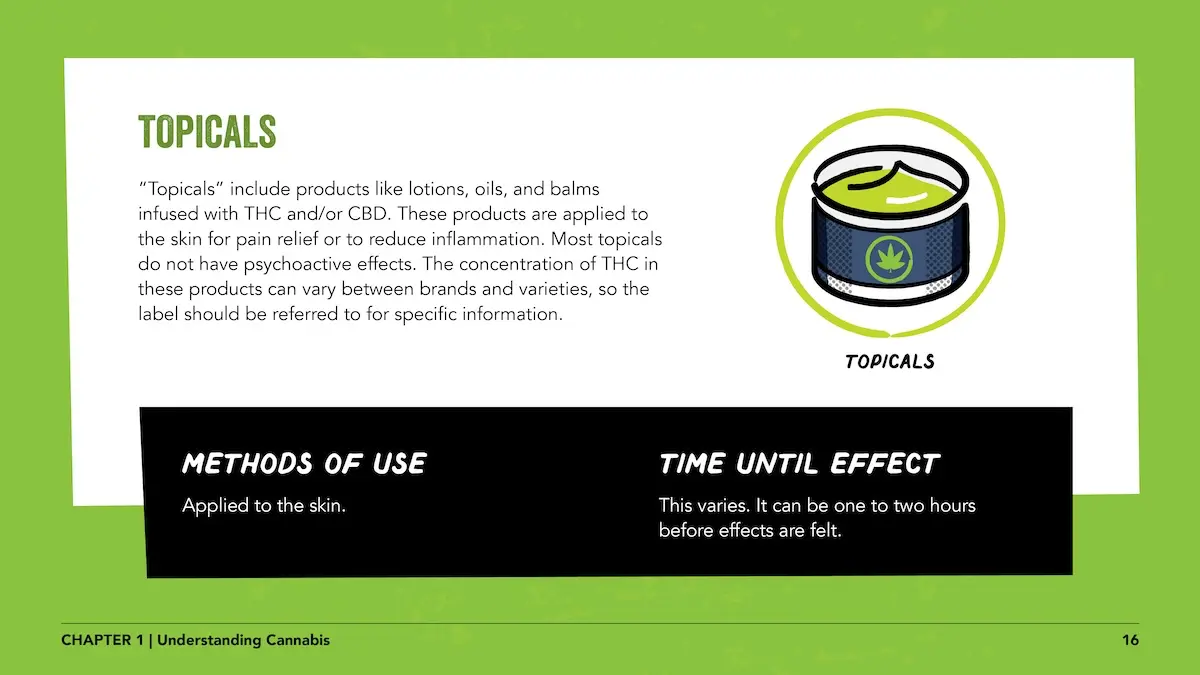
  • Topicals - “Topicals” include products like lotions, oils, and balms infused with THC and/or CBD. These products are applied to the skin for pain relief or to reduce inflammation. Most topicals do not have psychoactive effects. The concentration of THC in these products can vary between brands and varieties, so the label should be referred to for specific information. Methods of use - applied to the skin. Time until effect - this varies. It can be one to two hours before effects are felt.
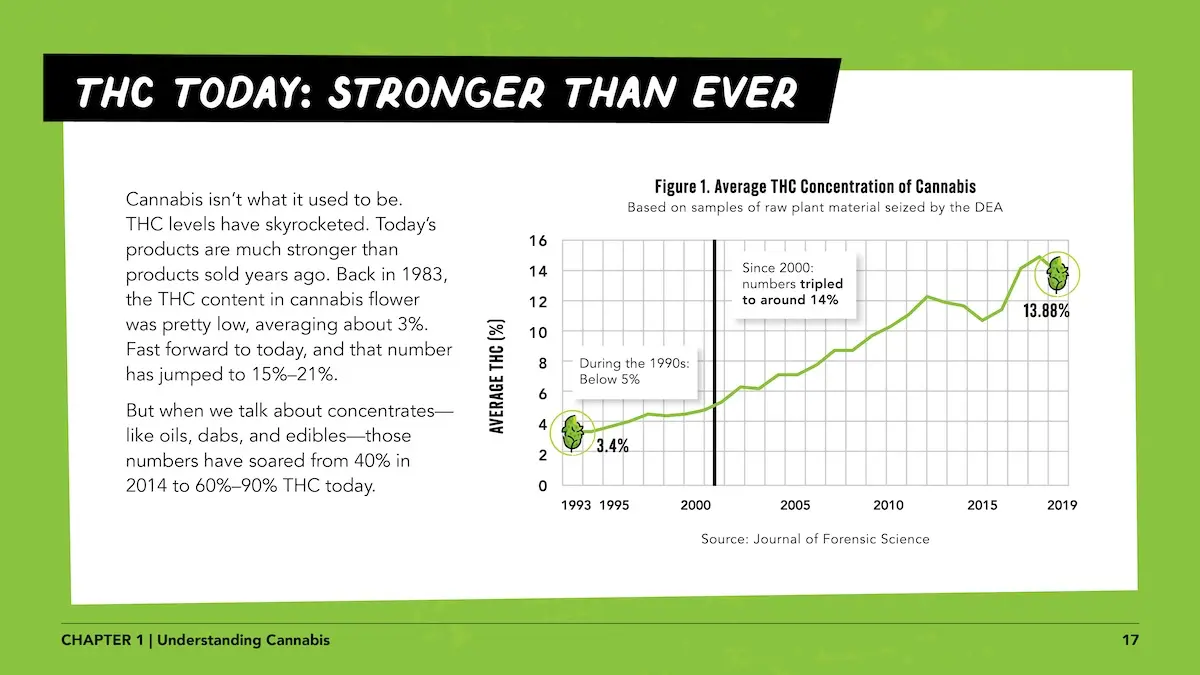
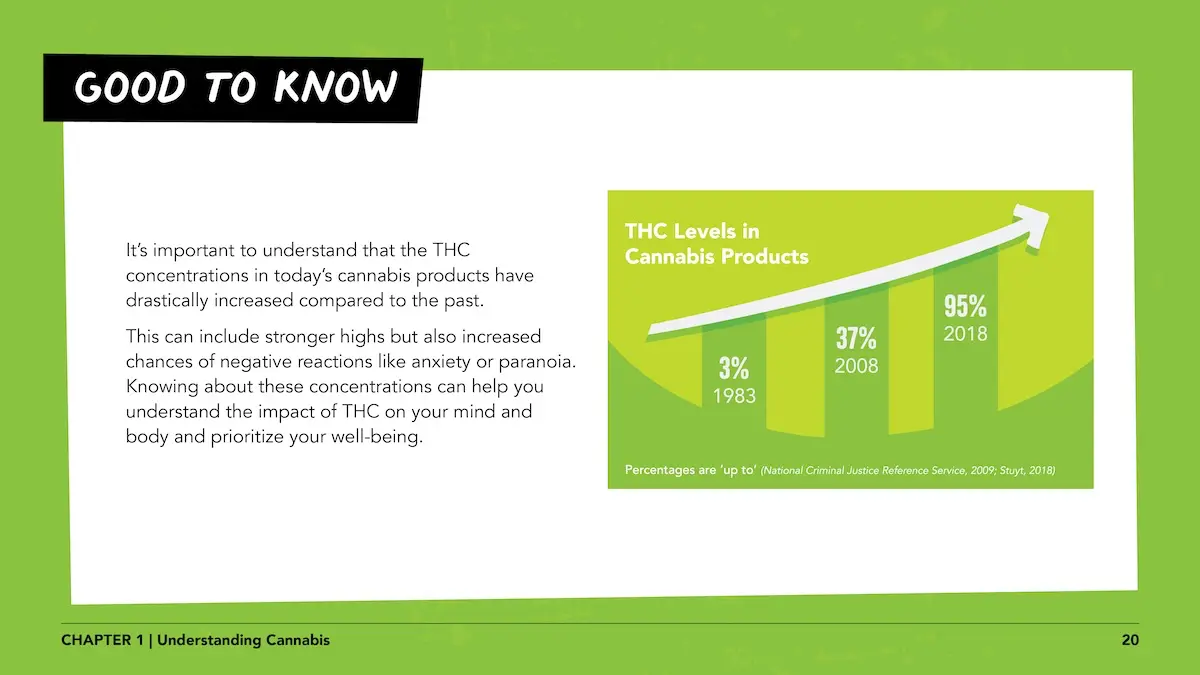
  • THC Today: Stronger Than Ever. Cannabis isn’t what it used to be. THC levels have skyrocketed. Today’s products are much stronger than products sold years ago. Back in 1983, the THC content in cannabis flower was pretty low, averaging about 3%. Fast forward to today, and that number has jumped to 15%–21%. But when we talk about concentrates—like oils, dabs, and edibles—those numbers have soared from 40% in 2014 to 60%–90% THC today. Slide depicts a graphic that shows the average THC percentage in cannabis from 1993 to 2019. In 1993 the average was at 3.4%, whereas in 2019 the average was 13.88%.
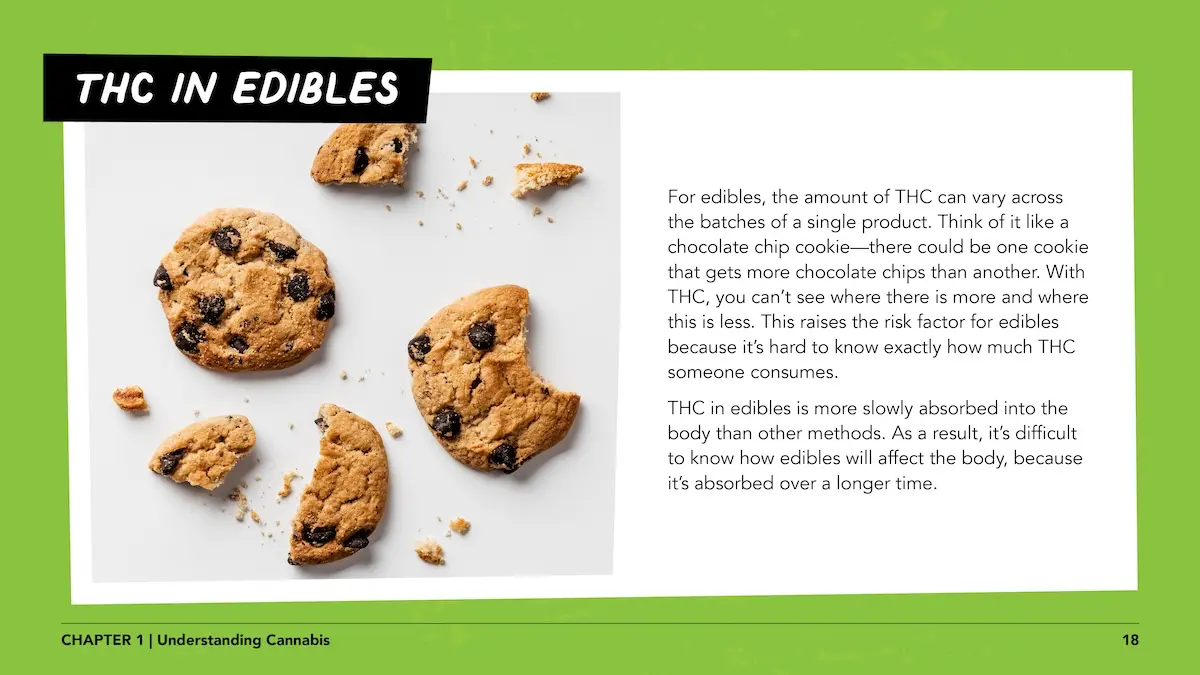
  • THC In Edibles. For edibles, the amount of THC can vary across the batches of a single product. Think of it like a chocolate chip cookie—there could be one cookie that gets more chocolate chips than another. With THC, you can’t see where there is more and where this is less. This raises the risk factor for edibles because it’s hard to know exactly how much THC someone consumes. THC in edibles is more slowly absorbed into the body than other methods. As a result, it’s difficult to know how edibles will affect the body, because it’s absorbed over a longer time.
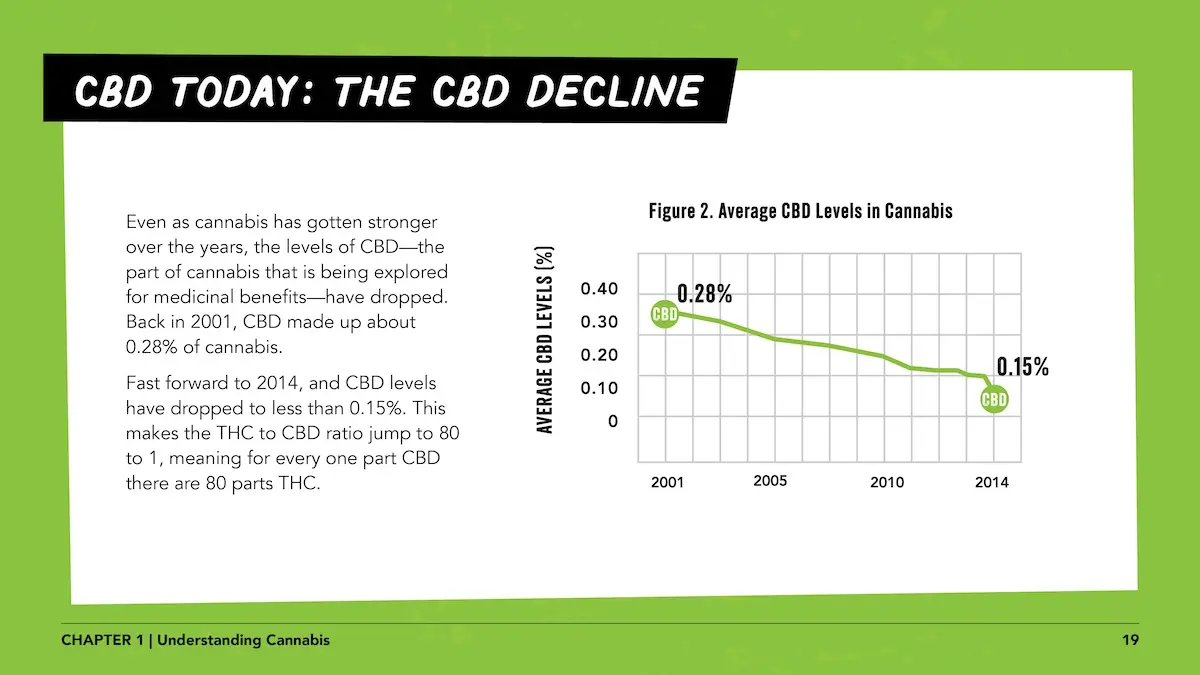
  • CBD Today: The CBD Decline. Even as cannabis has gotten stronger over the years, the levels of CBD—the part of cannabis that is being explored for medicinal benefits—have dropped. Back in 2001, CBD made up about 0.28% of cannabis. Fast forward to 2014, and CBD levels have dropped to less than 0.15%. This makes the THC to CBD ratio jump to 80 to 1, meaning for every one part CBD there are 80 parts THC. The lesson slide depicts a chart the shows the average CBD levels found in cannabis. In 2001, the average level was 0.28% and in 2014 it was 0.15%.
  • Good to Know. It’s important to understand that the THC concentrations in today’s cannabis products have drastically increased compared to the past.This can include stronger highs but also increased chances of negative reactions like anxiety or paranoia. Knowing about these concentrations can help you understand the impact of THC on your mind and body and prioritize your well-being.
  • Chapter 2 - What Can Happen? In today’s world, as more states legalize cannabis and its use becomes more common among all age groups, understanding the potential effects on our physical, mental, and emotional health is crucial. This awareness is key to making informed decisions about cannabis consumption. It’s particularly important when your choices impact not just you but also a developing baby, who can’t make choices for themselves.
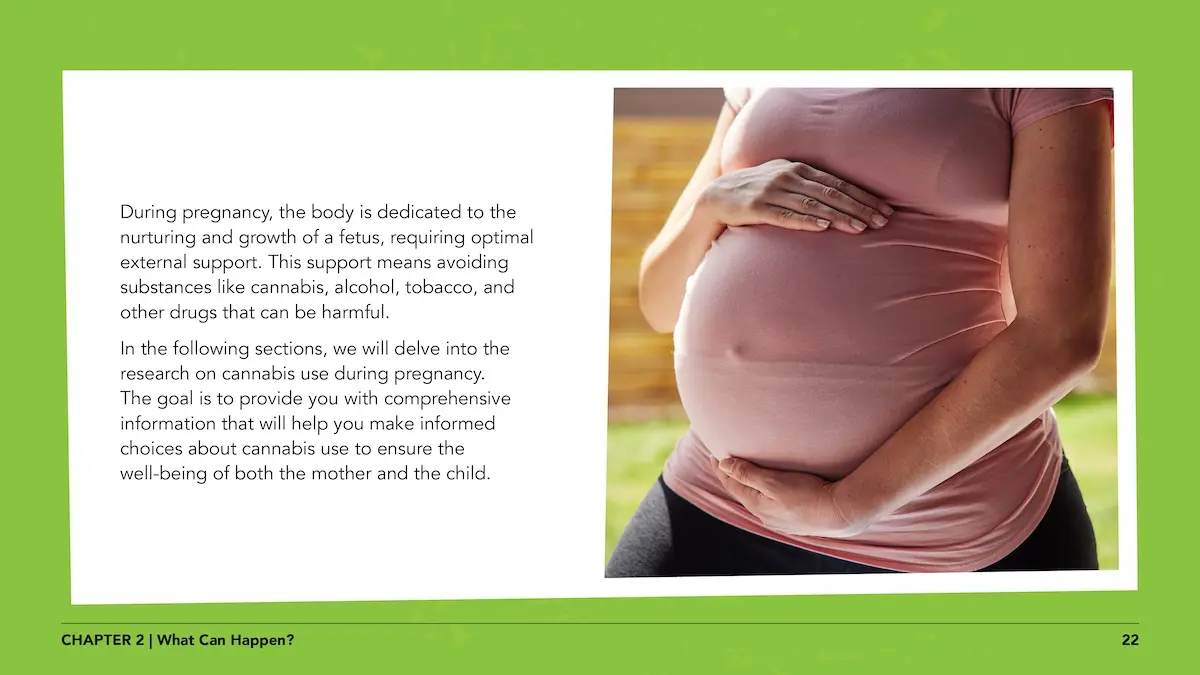
  • During pregnancy, the body is dedicated to the nurturing and growth of a fetus, requiring optimal external support. This support means avoiding substances like cannabis, alcohol, tobacco, and other drugs that can be harmful.In the following sections, we will delve into the research on cannabis use during pregnancy. The goal is to provide you with comprehensive information that will help you make informed choices about cannabis use to ensure the well-being of both the mother and the child.
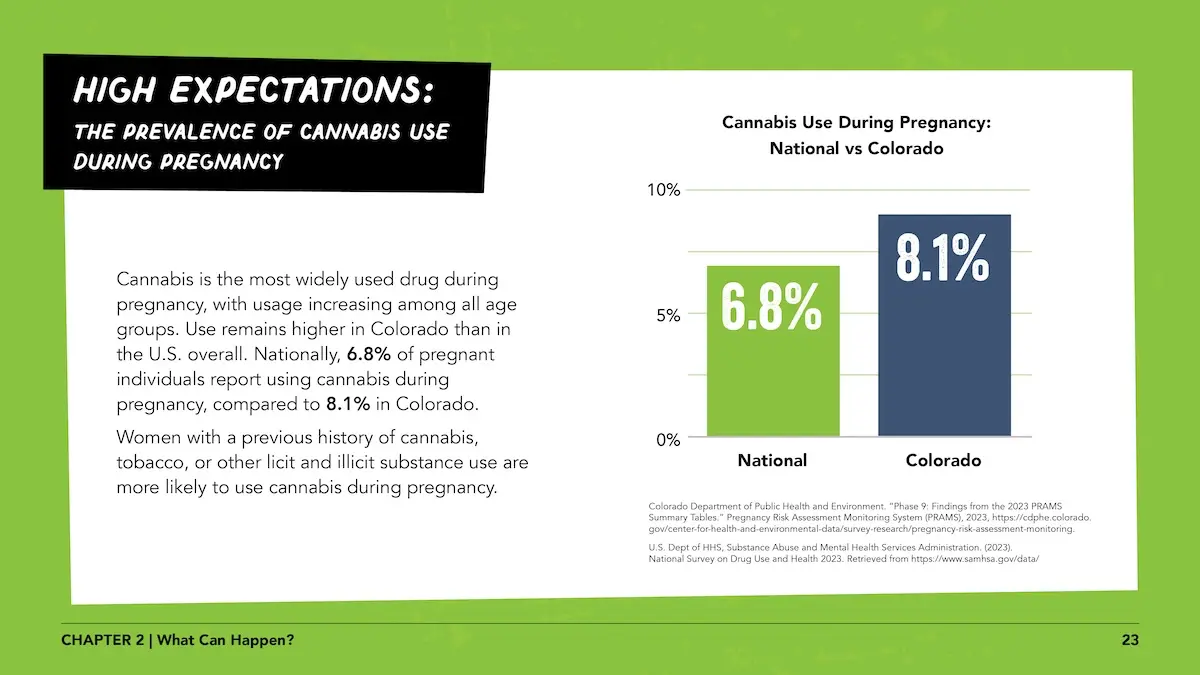
  • High Expectations: The Prevalence of Cannabis Use During Pregnancy. In Colorado, data from 2023 show that 7.2% of women used cannabis during the first trimester of pregnancy and 5% consumed while breastfeeding.The overall percentage who report using cannabis while pregnant is 8.1% in 2023 Colorado which is higher than the national average.The latest US stats from 2021-23 on the proportion of pregnant women who used cannabis while pregnant is 6.8%. So on your graph in the slide the second bar graph doesn’t change by much.Highest use in both US and Colorado is during the first trimester. In the US between 2021-23, research shows that 10.1% of pregnant women used cannabis during the first trimester. Use dropped throughout pregnancy.
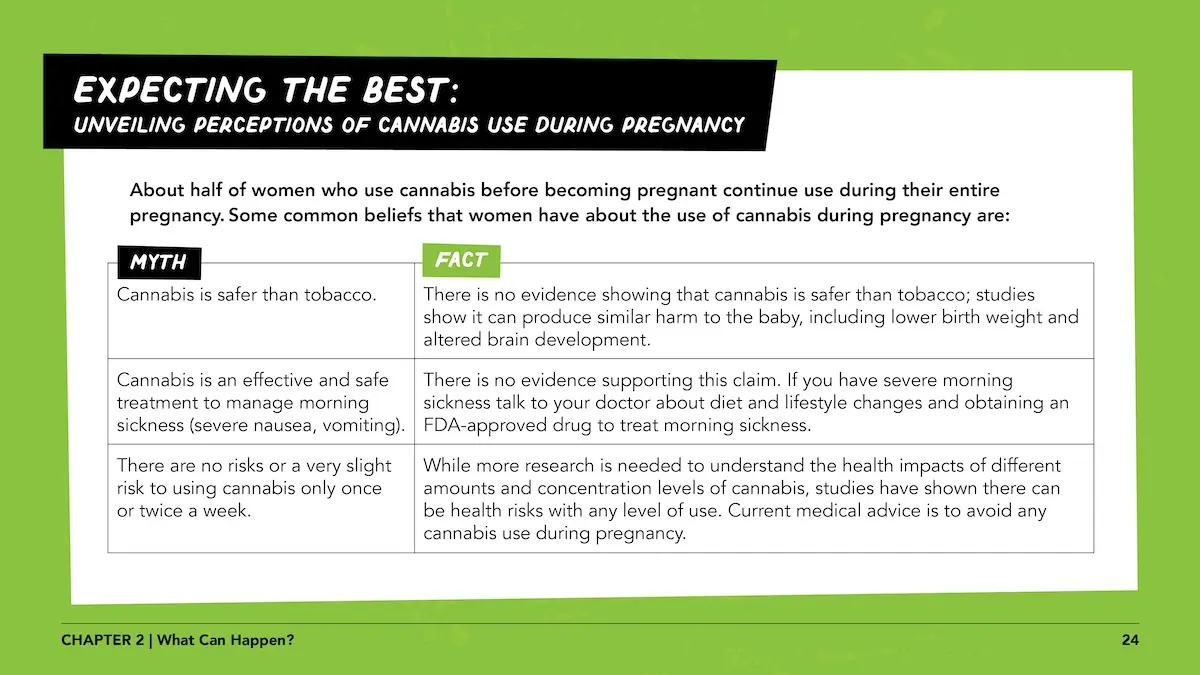
  • Expecting the Best: Unveiling Perceptions of Cannabis Use During Pregnancy. About half of women who use cannabis before becoming pregnant continue use during their entire pregnancy.Some common beliefs that women have about the use of cannabis during pregnancy are: Cannabis is safer than tobacco.There is no evidence showing that cannabis is safer than tobacco; studies show it can produce similar harm to the baby, including lower birth weight and altered brain development.Cannabis is an effective and safe treatment to manage morning sickness (severe nausea, vomiting).There is no evidence supporting this claim. If you have severe morning sickness talk to your doctor about diet and lifestyle changes and obtaining an FDA-approved drug to treat morning sickness.There are no risks or a very slight risk to using cannabis only once or twice a week.While more research is needed to understand the health impacts of different amounts and concentration levels of cannabis, studies have shown there can be health risks with any level of use. Current medical advice is to avoid any cannabis use during pregnancy.
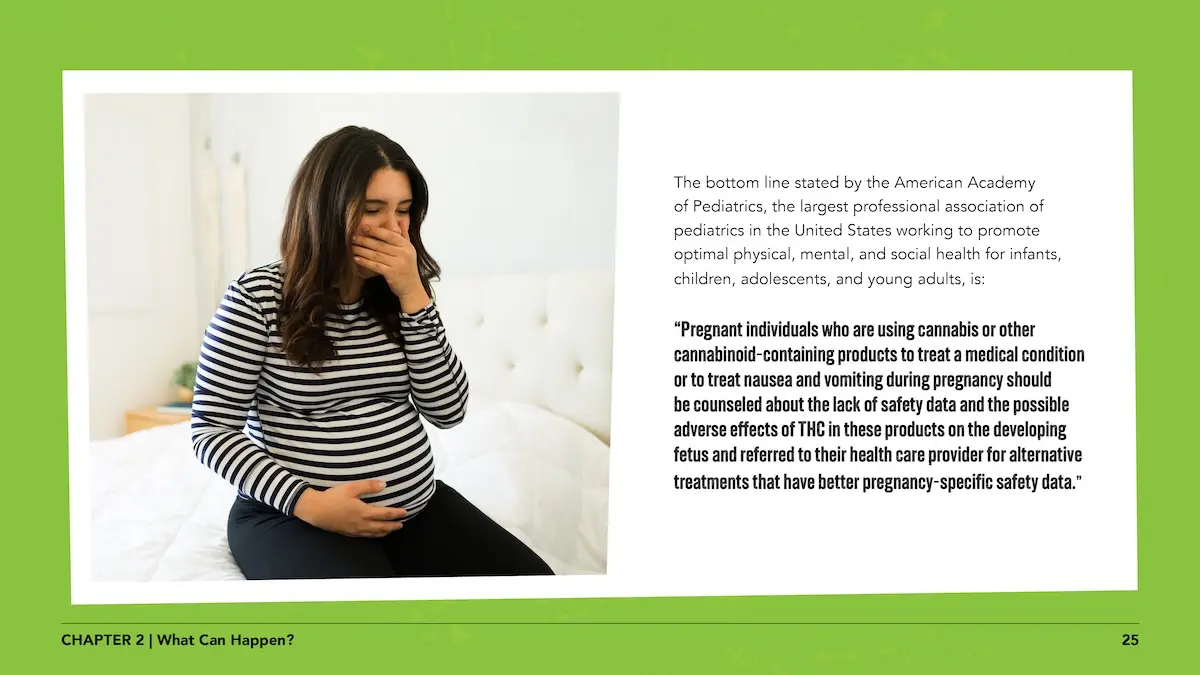
  • The bottom line stated by the American Academy of Pediatrics, the largest professional association of pediatrics in the United States working to promote optimal physical, mental, and social health for infants, children, adolescents, and young adults, is:“Pregnant individuals who are using cannabis or other cannabinoid-containing products to treat a medical condition or to treat nausea and vomiting during pregnancy should be counseled about the lack of safety data and the possible adverse effects of THC in these products on the developing fetus and referred to their health care providerfor alternative treatments that have better pregnancy-specific safety data.”
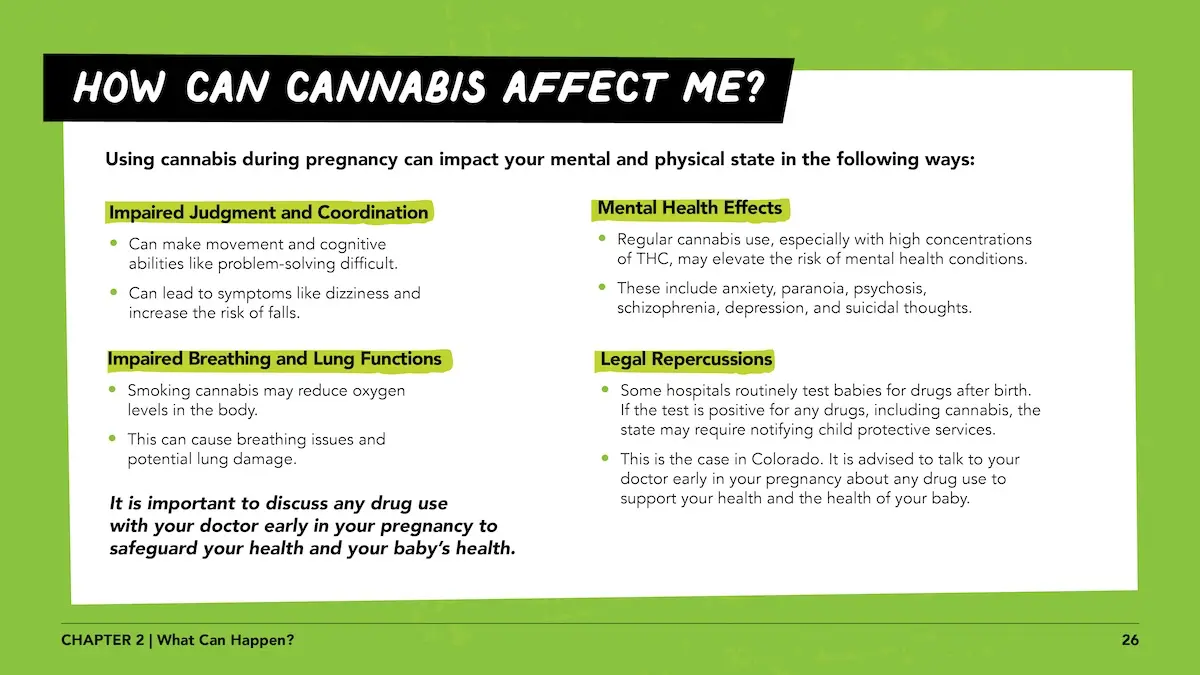
  • How Can Cannabis Affect Me? Using cannabis during pregnancy can impact your mental and physical state in the following ways: Impaired Judgment and Coordination•Can make movement and cognitive abilities like problem-solving difficult.•Can lead to symptoms like dizziness and increase the risk of falls. Mental Health Effects•Regular cannabis use, especially with high concentrations of THC, may elevate the risk of mental health conditions.•These include anxiety, paranoia, psychosis, schizophrenia, depression, and suicidal thoughts. Impaired Breathing and Lung Functions•Smoking cannabis may reduce oxygen levels in the body.•This can cause breathing issues and potential lung damage. Legal Repercussions•Some hospitals routinely test babies for drugs after birth. If the test is positive for any drugs, including cannabis, the state may require notifying child protective services.•This is the case in Colorado. It is advised to talk to your doctor early in your pregnancy about any drug use to support your health and the health of your baby. It is important to discuss any drug use with your doctor early in your pregnancy to safeguard your health and your baby’s health.
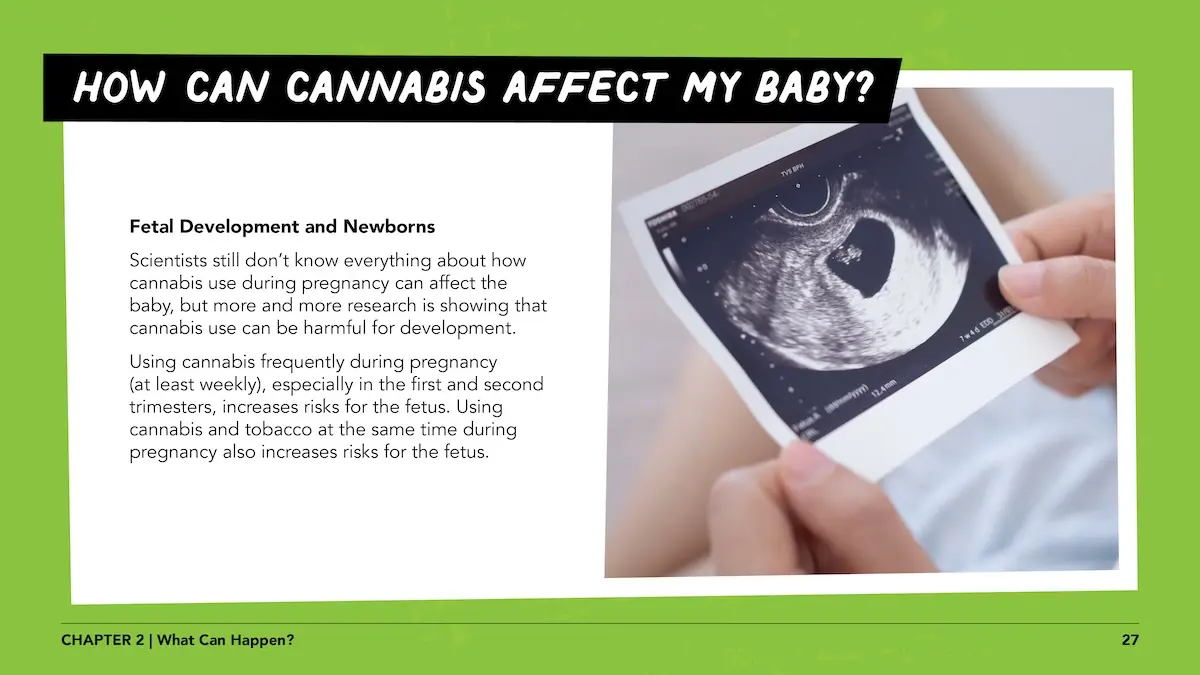
  • How Can Cannabis Affect My Baby? Fetal Development and NewbornsScientists still don’t know everything about how cannabis use during pregnancy can affect the baby, but more and more research is showing that cannabis use can be harmful for development.Using cannabis frequently during pregnancy (at least weekly), especially in the first and second trimesters, increases risks for the fetus. Using cannabis and tobacco at the same time during pregnancy also increases risks for the fetus.
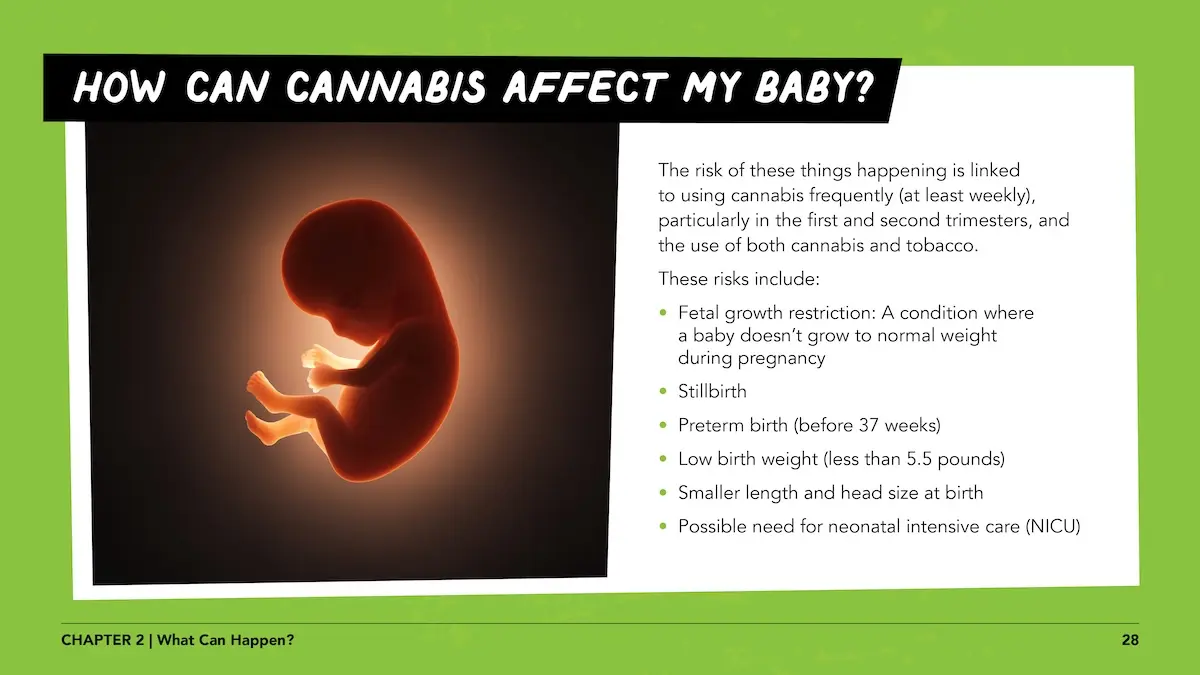
  • How Can Cannabis Affect My Baby? The risk of these things happening is linked to using cannabis frequently (at least weekly), particularly in the first and second trimesters, and the use of both cannabis and tobacco.These risks include: •Fetal growth restriction: A condition where a baby doesn’t grow to normal weight during pregnancy•Stillbirth•Preterm birth (before 37 weeks)•Low birth weight (less than 5.5 pounds)•Smaller length and head size at birth•Possible need for neonatal intensive care (NICU)
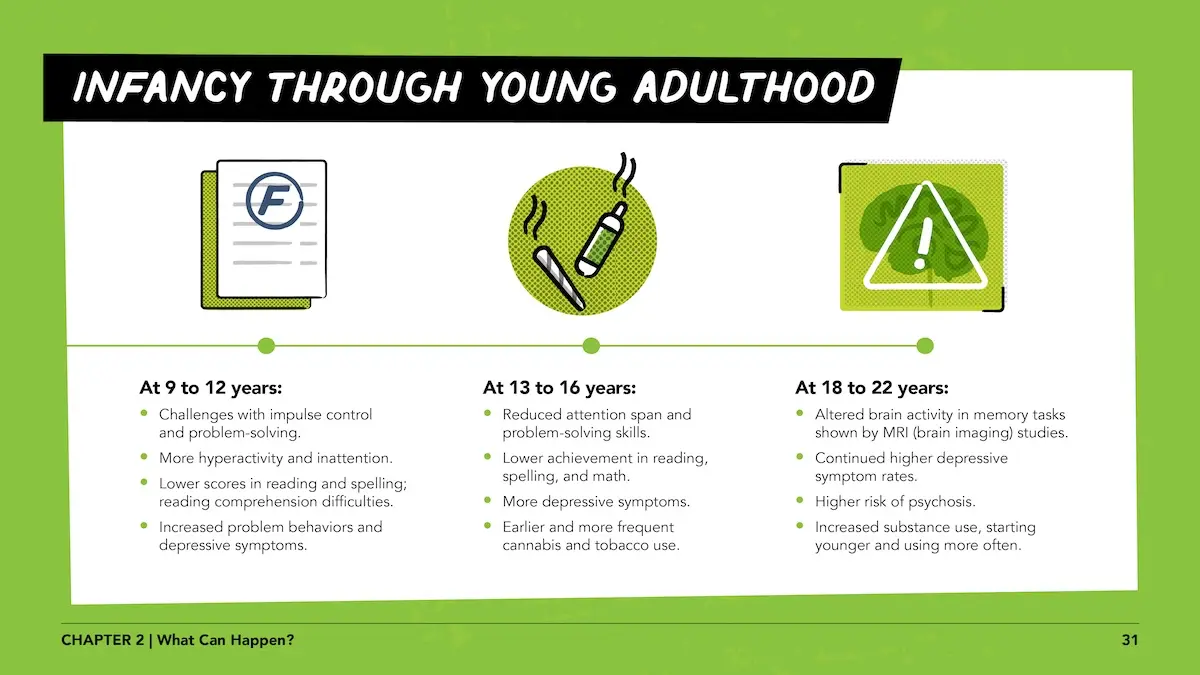
  • Infancy Through Young Adulthood. Using cannabis during pregnancy can affect your child beyond fetal development. Research links using cannabis during pregnancy to long-term brain development problems that can impact memory, learning, and behavior.
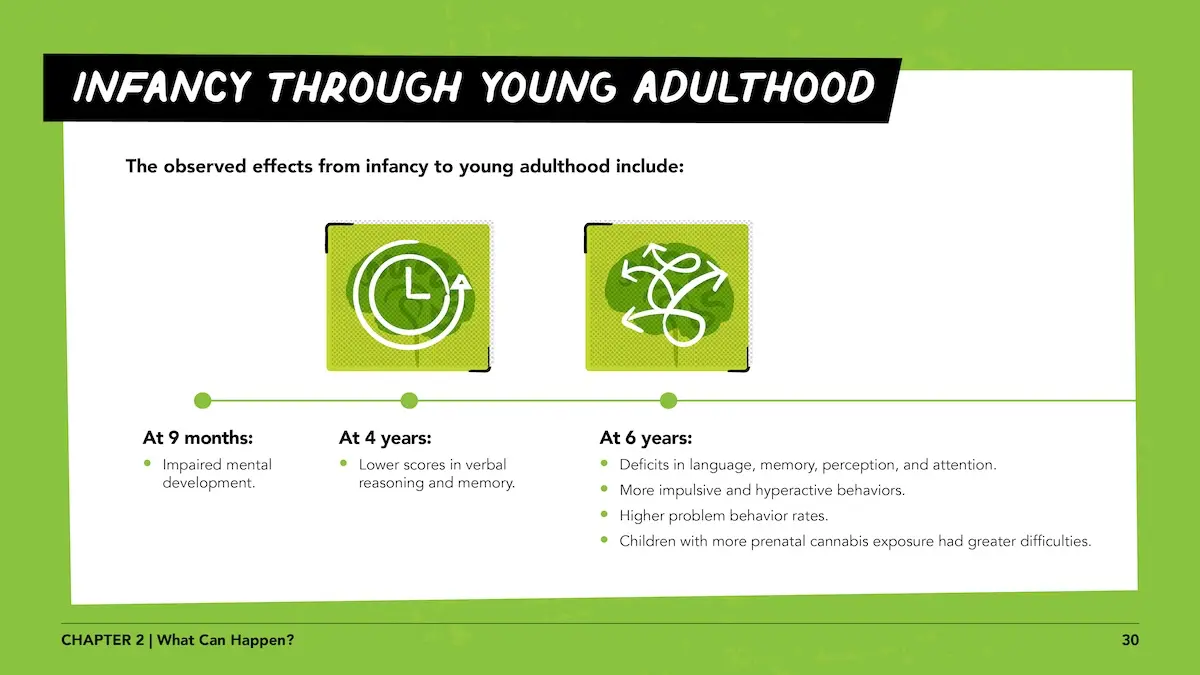
  • Infancy Through Young Adulthood. The observed effects from infancy to young adulthood include - At 9 months: Impaired mental development, at 4 years: lower scores in verbal reasoning and memory, at 6 years: deficits in language, memory, perception, and attention, more impulsive and hyperactive behaviors, higher problem behavior rates, children with more prenatal cannabis exposure had greater difficulties.
  • Infancy Through Young Adulthood. At 9 to 12 years:•Challenges with impulse control and problem-solving.•More hyperactivity and inattention.•Lower scores in reading and spelling; reading comprehension difficulties.•Increased problem behaviors and depressive symptoms.At 13 to 16 years:•Reduced attention span and problem-solving skills.•Lower achievement in reading, spelling, and math.•More depressive symptoms.•Earlier and more frequent cannabis and tobacco use.At 18 to 22 years:•Altered brain activity in memory tasks shown by MRI (brain imaging) studies.•Continued higher depressive symptom rates.•Higher risk of psychosis.•Increased substance use, starting younger and using more often.
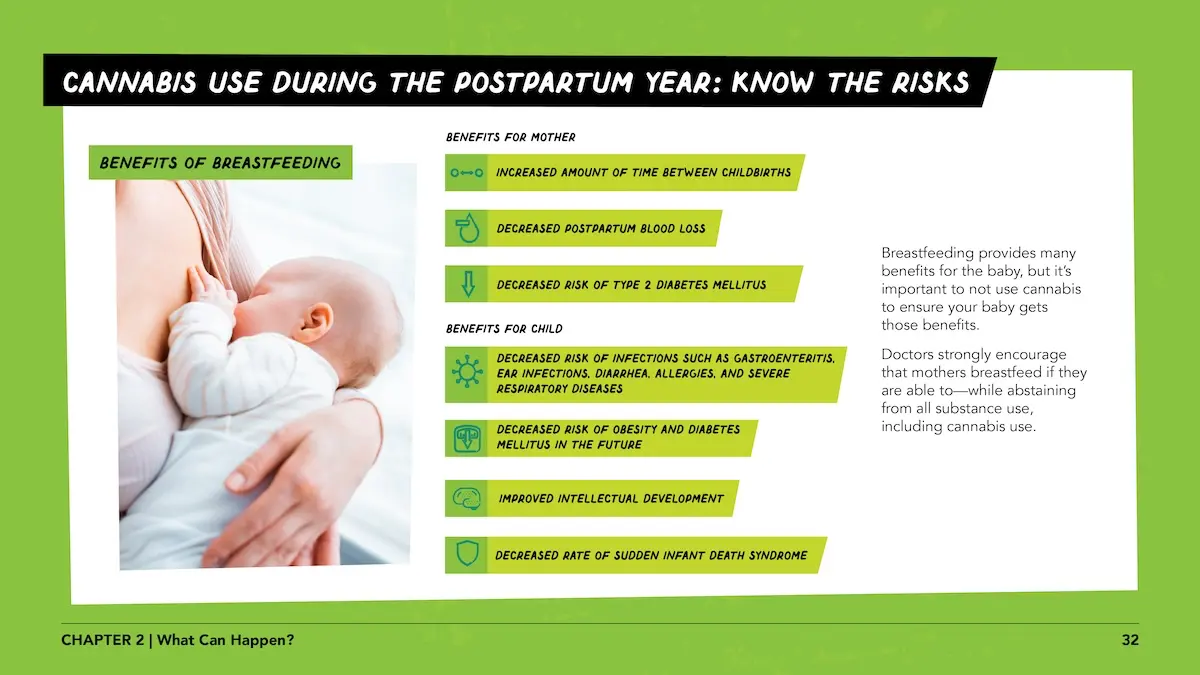
  • Cannabis Use During the Postpartum Year: Know the Risks. Breastfeeding provides many benefits for the baby, but it’s important to not use cannabis to ensure your baby gets those benefits. Doctors strongly encourage that mothers breastfeed if they are able to—while abstaining from all substance use, including cannabis use.
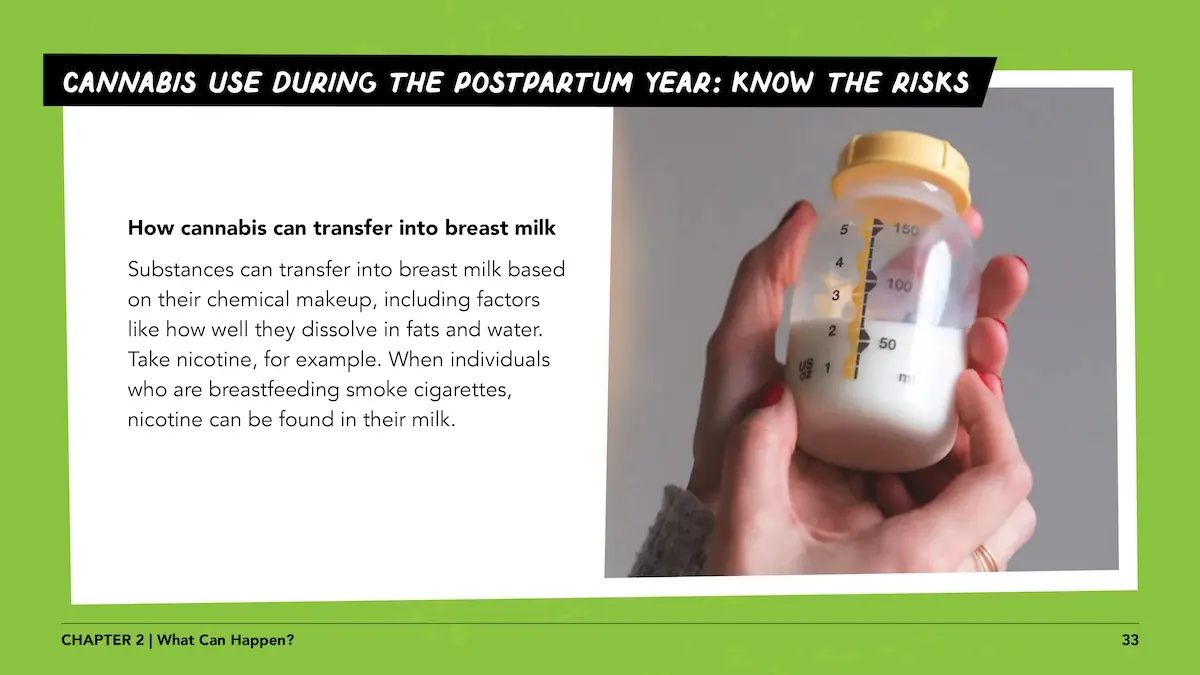
  • Cannabis Use During the Postpartum Year: Know the Risks. How cannabis can transfer into breast milkSubstances can transfer into breast milk based on their chemical makeup, including factors like how well they dissolve in fats and water. Take nicotine, for example. When individuals who are breastfeeding smoke cigarettes, nicotine can be found in their milk.
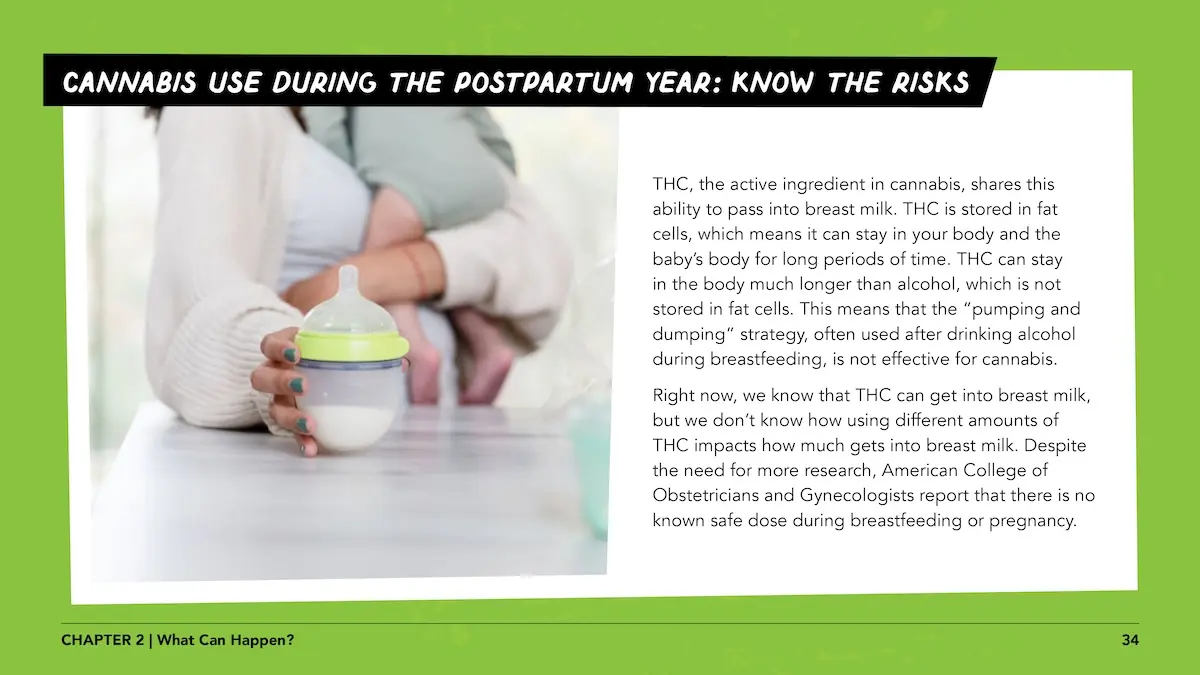
  • Cannabis Use During the Postpartum Year: Know the Risks. THC, the active ingredient in cannabis, shares this ability to pass into breast milk. THC is stored in fat cells, which means it can stay in your body and the baby’s body for long periods of time. THC can stay in the body much longer than alcohol, which is not stored in fat cells. This means that the “pumping and dumping” strategy, often used after drinking alcohol during breastfeeding, is not effective for cannabis.Right now, we know that THC can get into breast milk, but we don’t know how using different amounts of THC impacts how much gets into breast milk. Despite the need for more research, American College of Obstetricians and Gynecologists report that there is no known safe dose during breastfeeding or pregnancy.

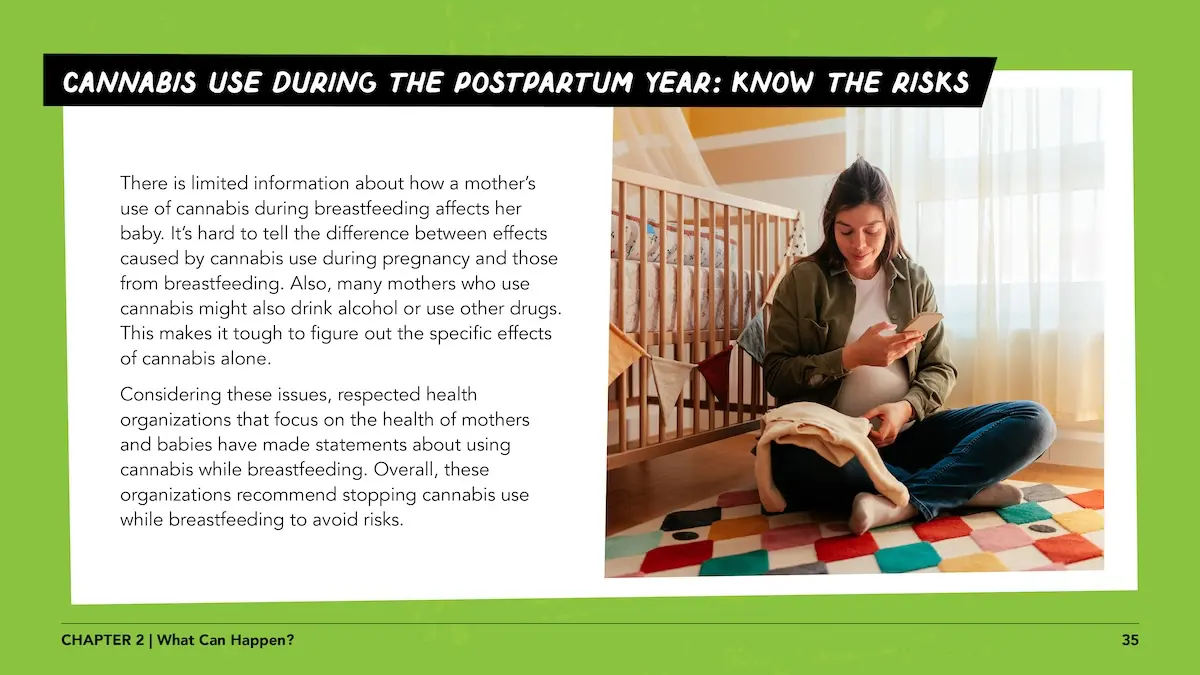
  • Cannabis Use During the Postpartum Year: Know the Risks. There is limited information about how a mother’s use of cannabis during breastfeeding affects her baby. It’s hard to tell the difference between effects caused by cannabis use during pregnancy and those from breastfeeding. Also, many mothers who use cannabis might also drink alcohol or use other drugs. This makes it tough to figure out the specific effects of cannabis alone.Considering these issues, respected health organizations that focus on the health of mothers and babies have made statements about using cannabis while breastfeeding. Overall, these organizations recommend stopping cannabis use while breastfeeding to avoid risks.

  • Resources by The American College of Obstetricians and Gynecologists.

  • Resources by The American Academy of Pediatrics.

  • Resources by The Academy of Breastfeeding Medicine
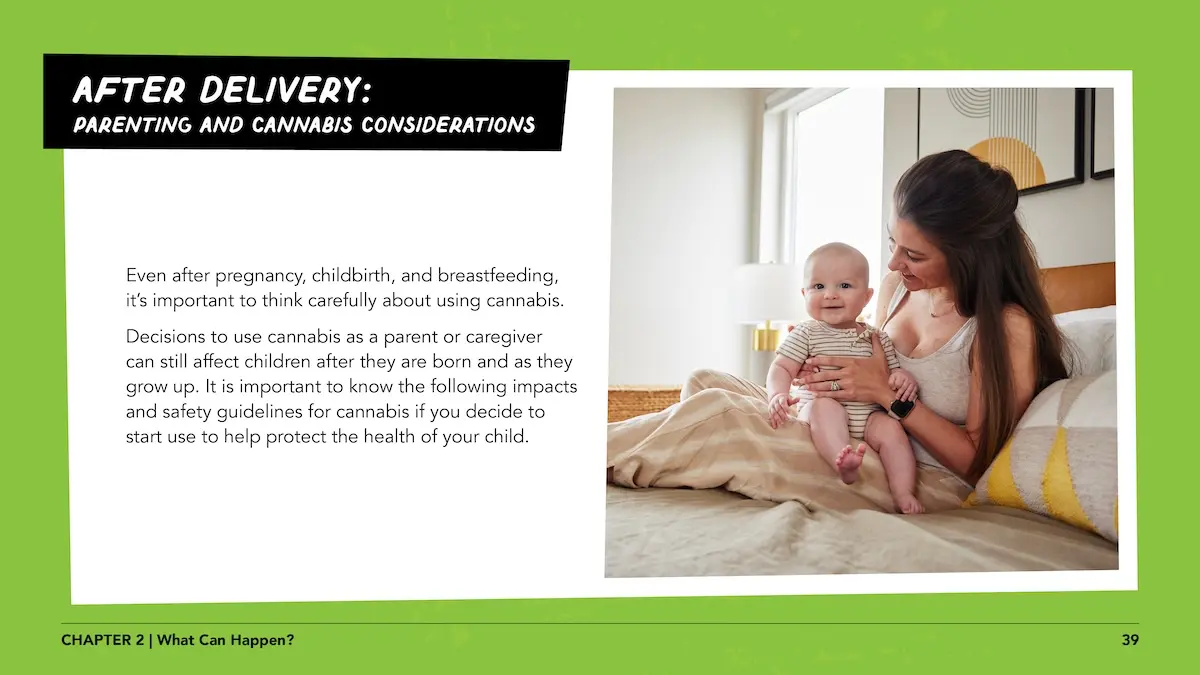
  • After Delivery: Parenting and Cannabis Considerations. Even after pregnancy, childbirth, and breastfeeding, it’s important to think carefully about using cannabis. Decisions to use cannabis as a parent or caregiver can still affect children after they are born and as they grow up. It is important to know the following impacts and safety guidelines for cannabis if you decide to start use to help protect the health of your child.
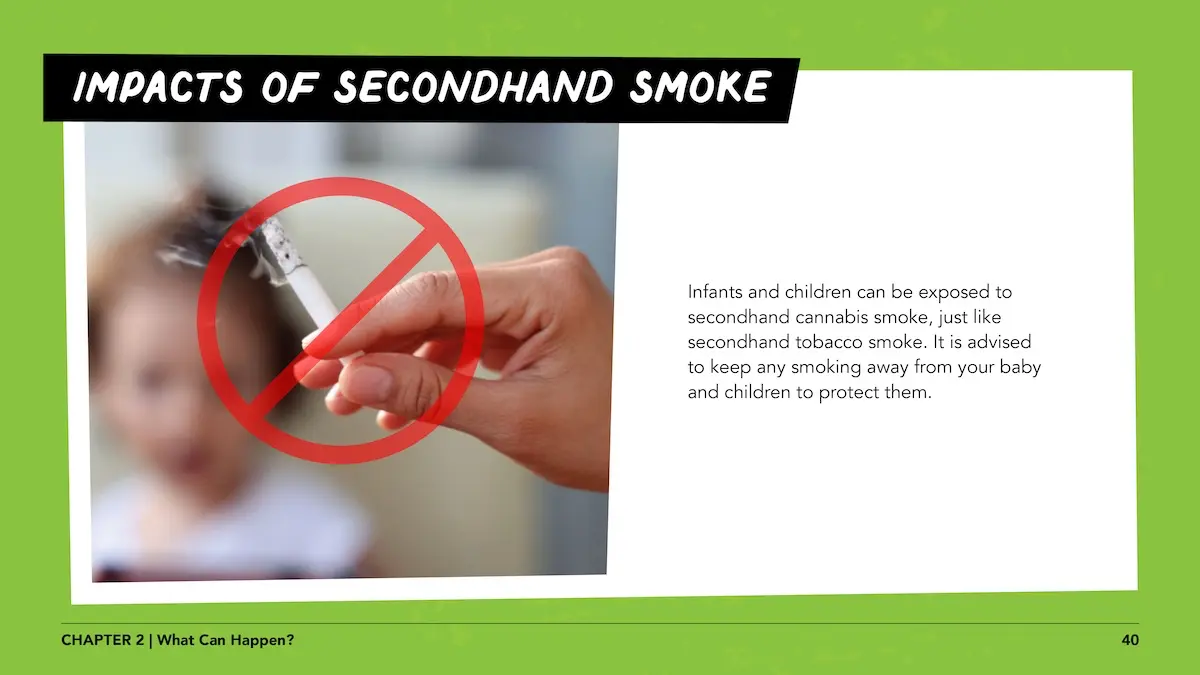
  • Impacts of Secondhand Smoke - Infants and children can be exposed to secondhand cannabis smoke, just like secondhand tobacco smoke. It is advised to keep any smoking away from your baby and children to protect them.
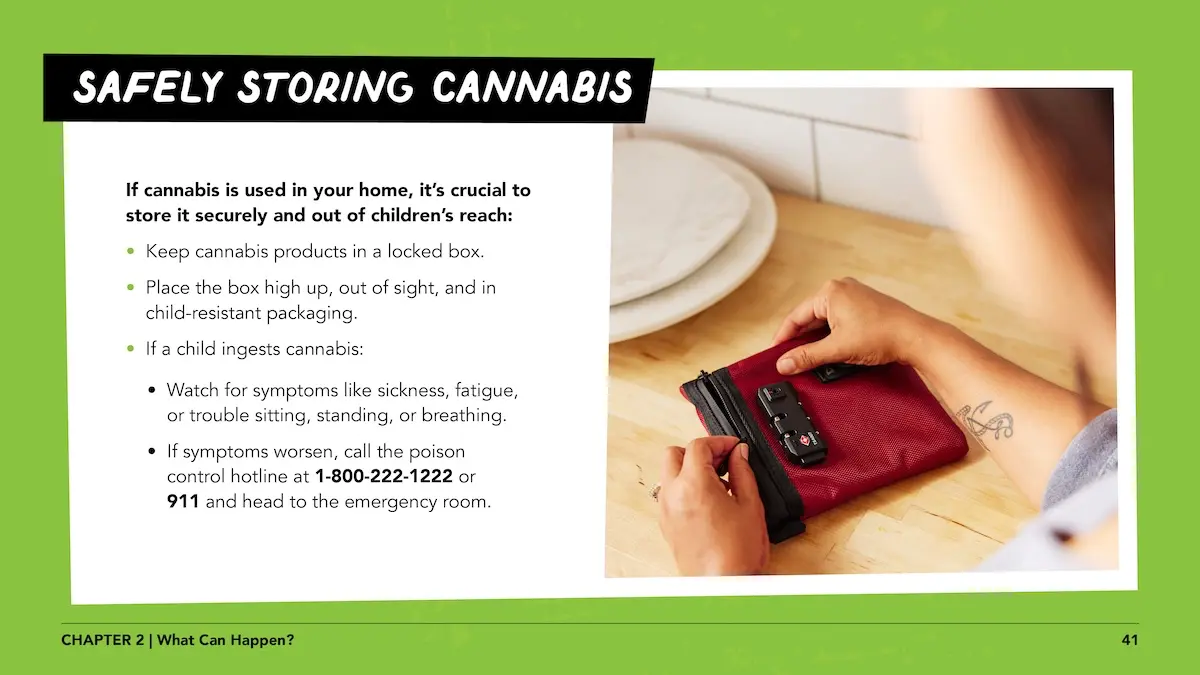
  • Safely Storing Cannabis - If cannabis is used in your home, it’s crucial to store it securely and out of children’s reach:•Keep cannabis products in a locked box.•Place the box high up, out of sight, and in child-resistant packaging.•If a child ingests cannabis:•Watch for symptoms like sickness, fatigue, or trouble sitting, standing, or breathing.•If symptoms worsen, call the poison control hotline at 1-800-222-1222 or 911 and head to the emergency room.
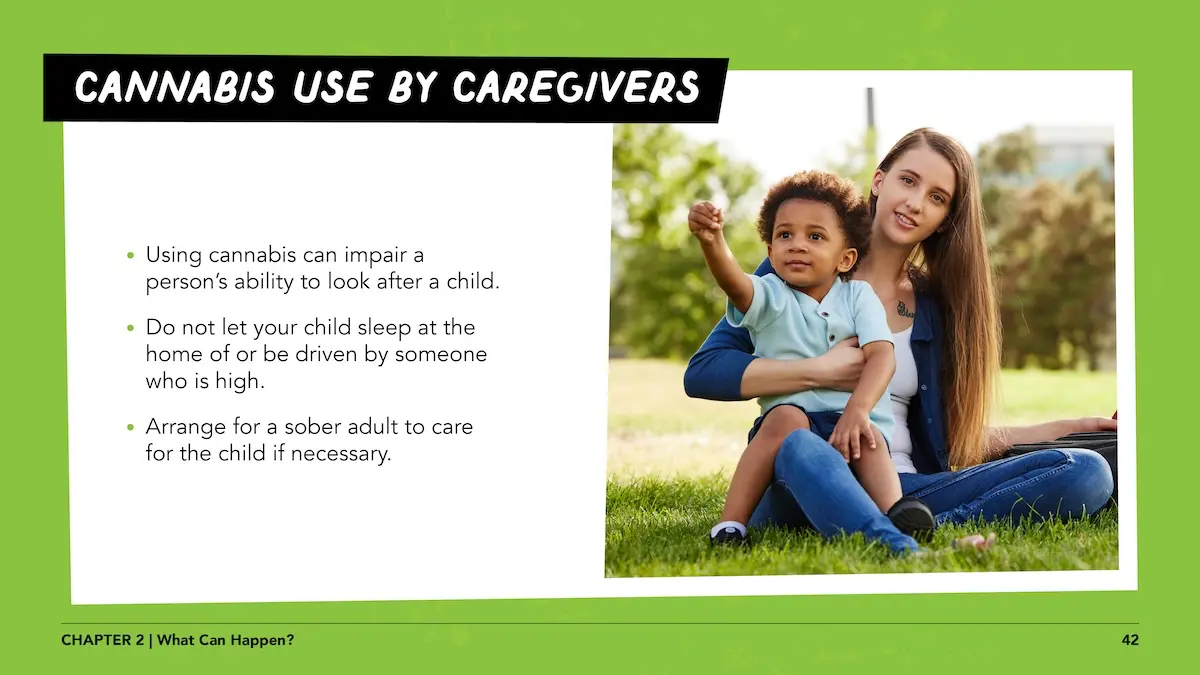
  • Cannabis Use By Caregivers - Using cannabis can impair a person’s ability to look after a child.•Do not let your child sleep at the home of or be driven by someone who is high.•Arrange for a sober adult to care for the child if necessary.
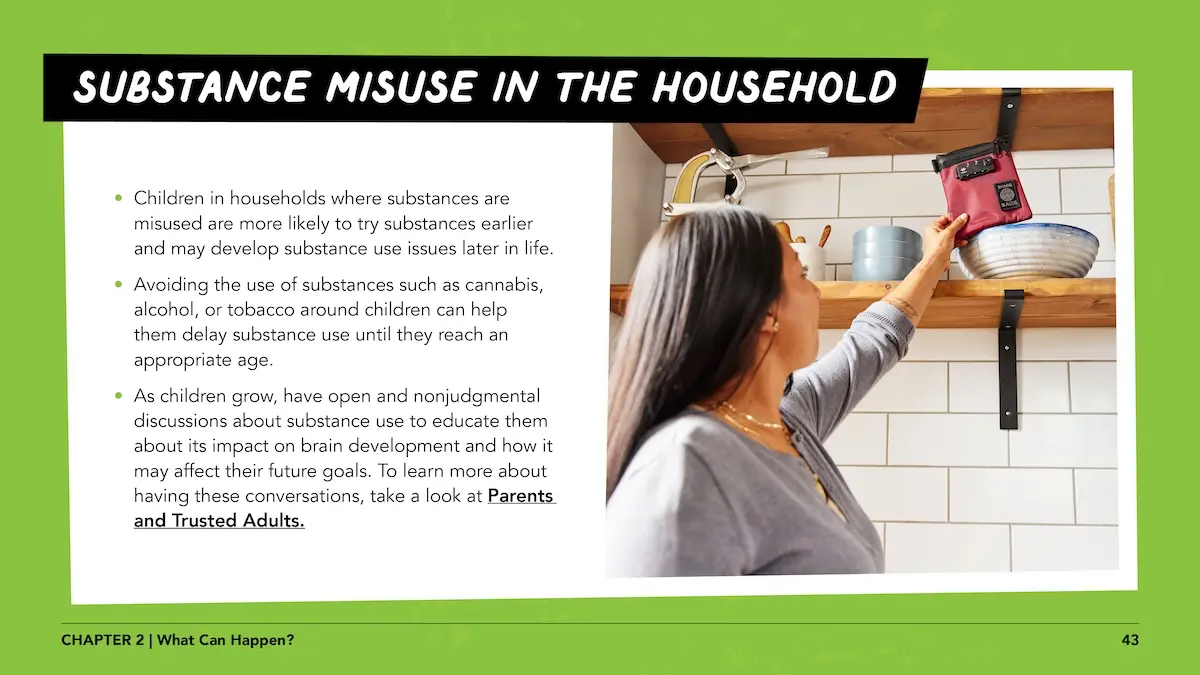
  • Substance Misuse in the Household - Children in households where substances are misused are more likely to try substances earlier and may develop substance use issues later in life.•Avoiding the use of substances such as cannabis, alcohol, or tobacco around children can help them delay substance use until they reach an appropriate age.•As children grow, have open and nonjudgmental discussions about substance use to educate them about its impact on brain development and how it may affect their future goals. To learn more about having these conversations, take a look at Parents and Trusted Adults.
  • Congratulations!
    Youve taken an important step to educate yourself.
    Please take this quick & anonymous survey to reinforce your learnings & give us valuable feedback.
    Take Quiz

For any questions, please email info@teaonthc.org
© 2026 The Regents of the University of Colorado, a body corporate. All rights reserved. Powered by Colorado School of Public Health
crossmenu linkedin facebook pinterest youtube rss twitter instagram facebook-blank rss-blank linkedin-blank pinterest youtube twitter instagram