Self-study curriculum from the Colorado School
Public Health

Two female soccer players in red jerseys with their arms around each other and their backs to the camera

Introduction to the Curriculum & General Info

Researchers at the Colorado School of Public Health spent months poring over thousands of published articles to create a self-study curriculum for The Tea on THC™. See how much you know about why young people are using high-concentration cannabis, how they're getting it, and what it may be doing to their mental and physical health.

Discover what cannabis is and understand the significant impacts on your physical and mental health, all backed by the latest scientific evidence. Dive in to gain a deeper understanding and prioritize your well-being.

By participating in this lesson, students will be able to understand:

  • Stress and its influence on youth.

  • Build healthy coping skills to manage everyday stress and reduce or limit substance use, including use of high-concentration cannabis.

  • Identify resources for youth substance use prevention and intervention.
  • Youth: Lesson 2 - Stress Smart: Strategies to Cope With Stress
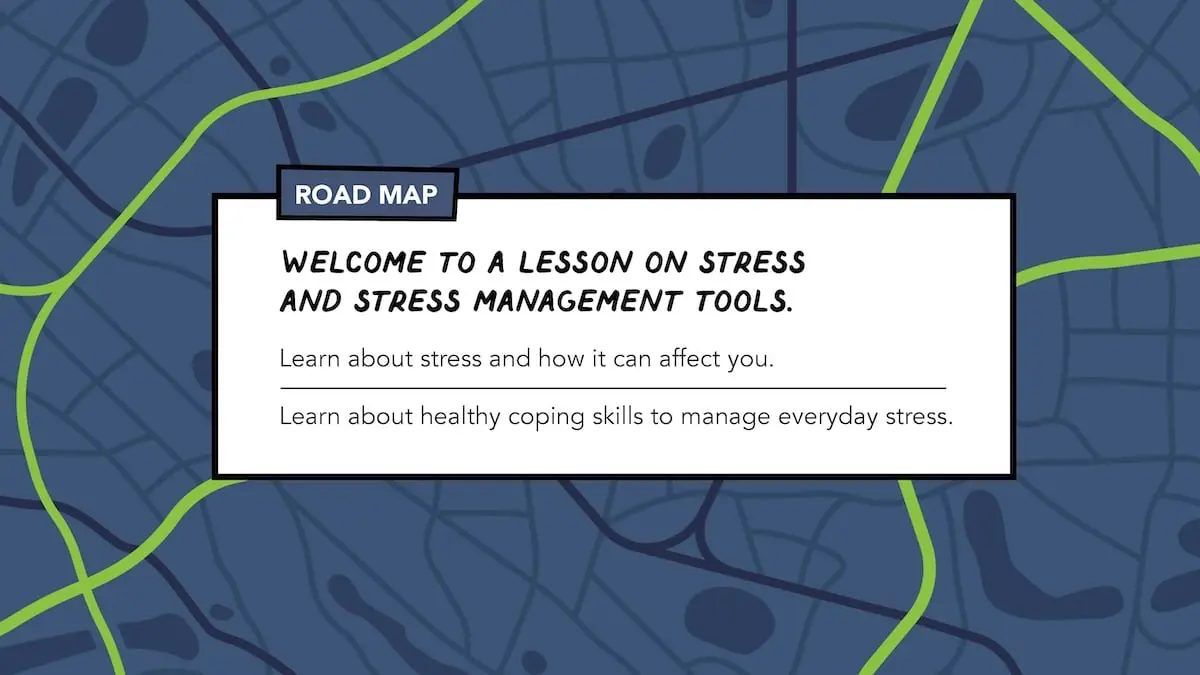
  • Road Map - Welcome to a Lesson On Stress and Stress Management Tools. Learn about stress and how it can affect you. Learn about healthy coping skills to manage everyday stress.
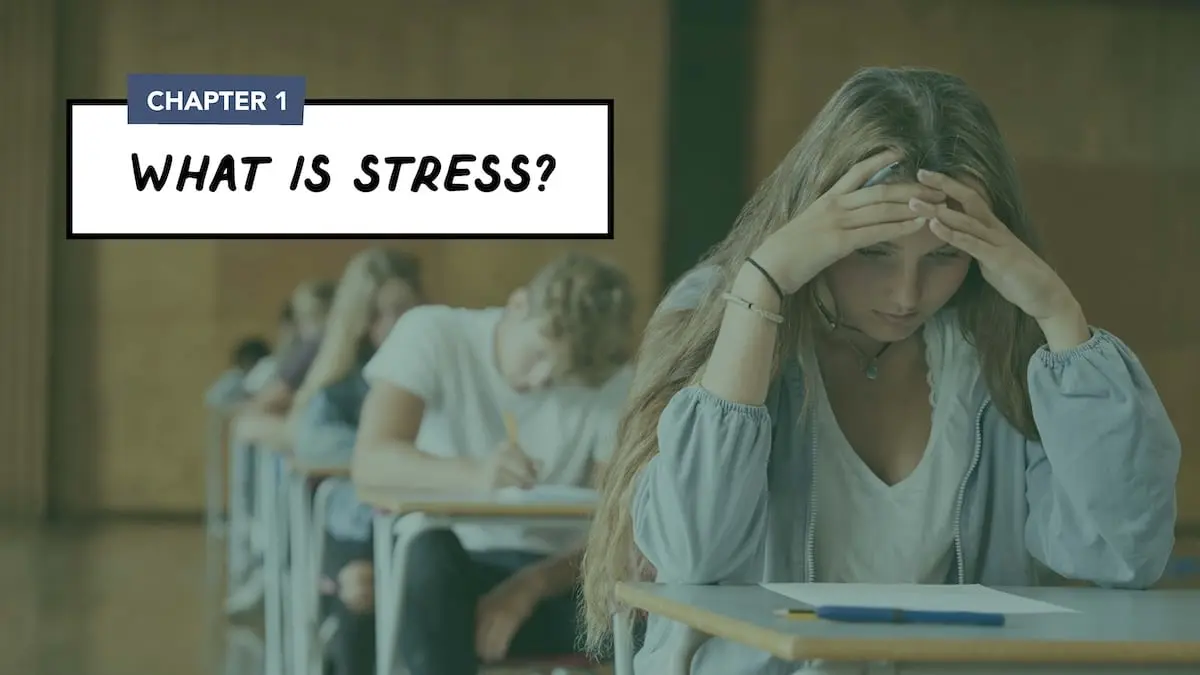
  • Chapter 1: What is Stress?
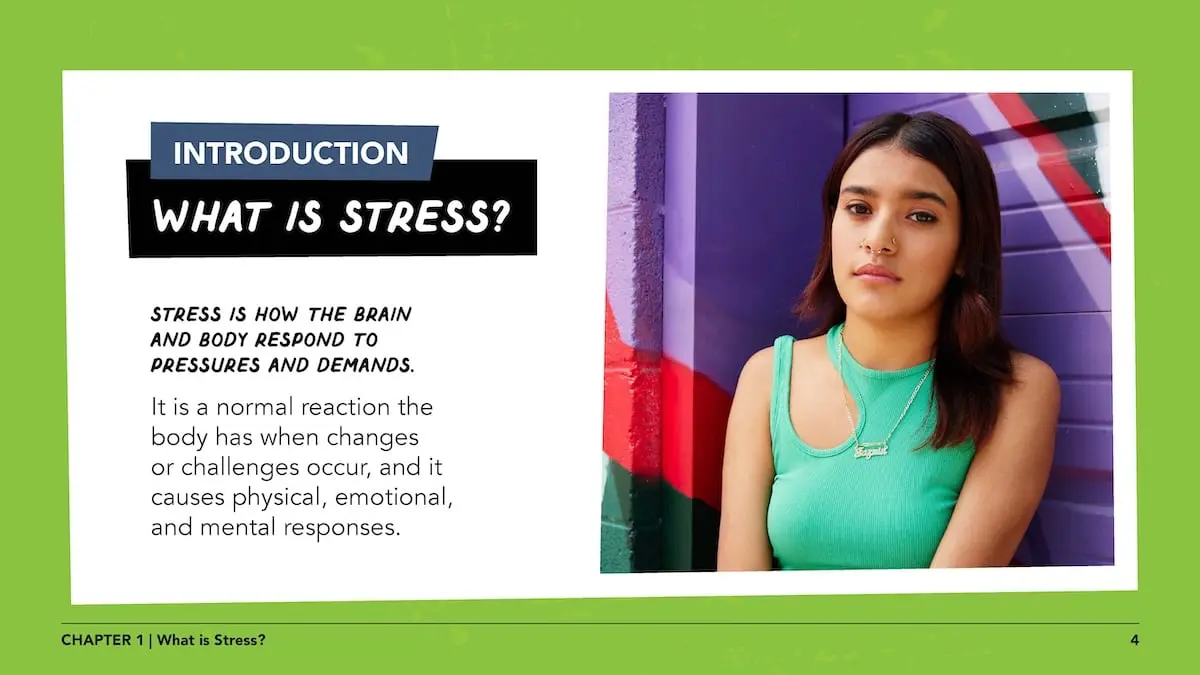
  • Introduction - What is Stress? It is a normal reaction the body has when changes or challenges occur, and it causes physical, emotional, and mental responses.
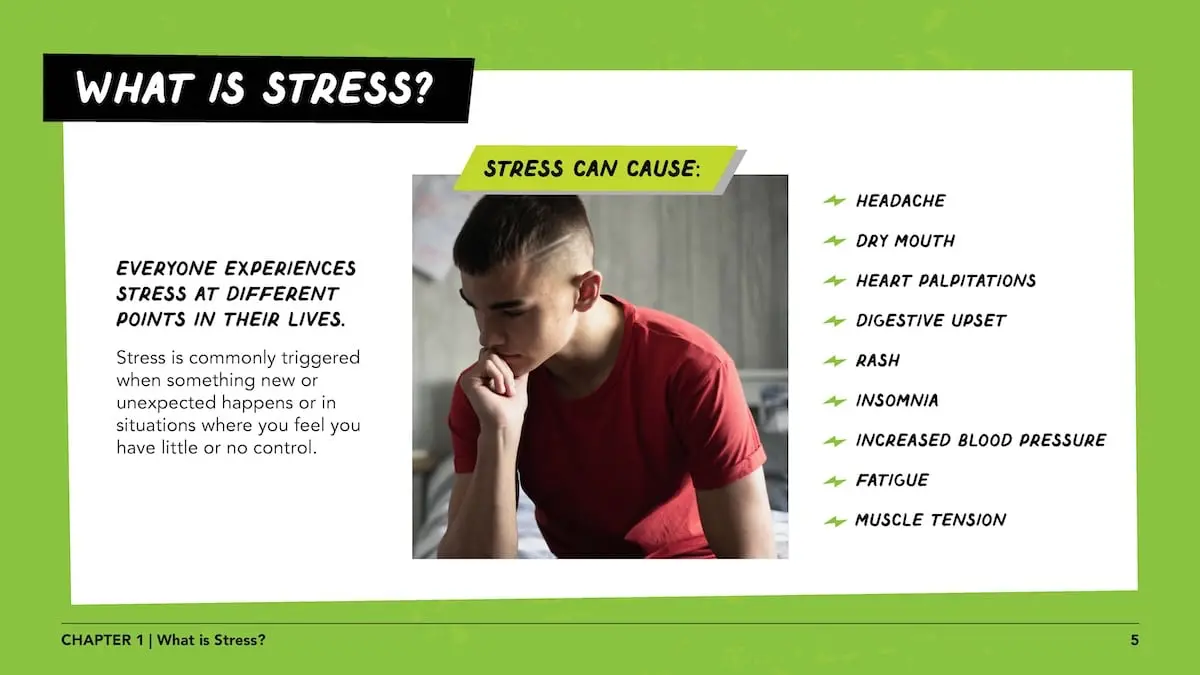
  • What is Stress? Everyone experiences stress at different points in their lives. Stress is commonly triggered when something new or unexpected happens or in situations where you feel you have little or no control. Stress can cause: headache, dry mouth, heart palpitations, digestive upset, rash, insomnia, increased blood pressure, fatigue, muscle tension
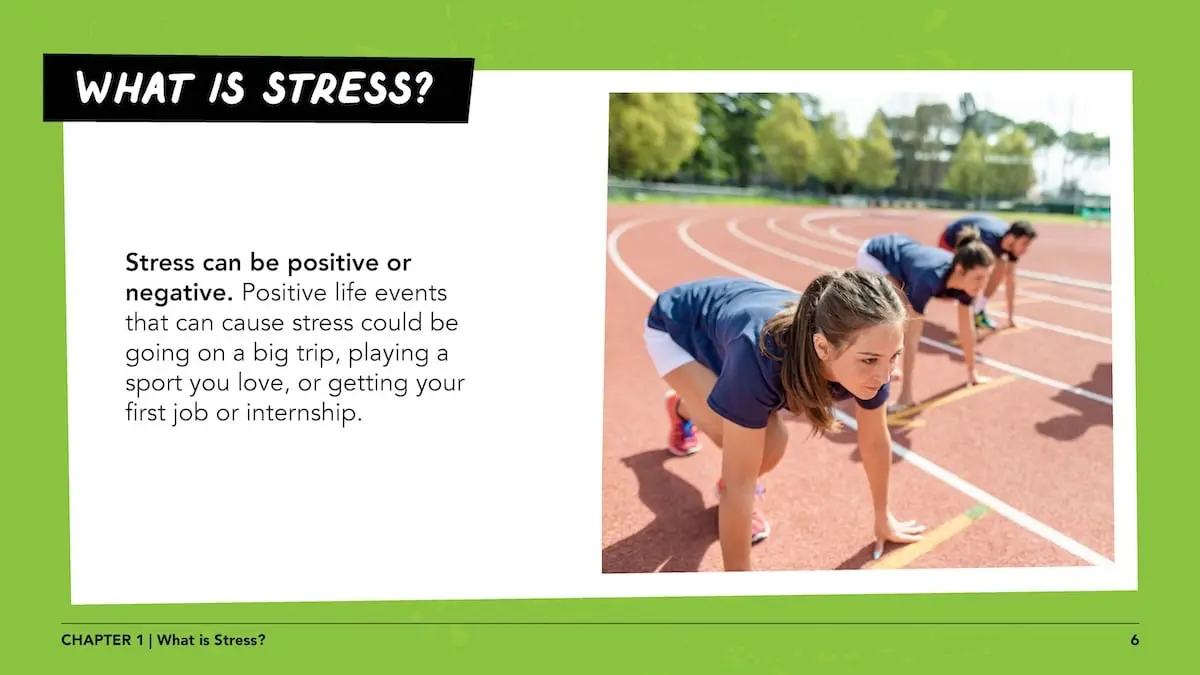
  • What is stress/ Stress can be positive or negative. Positive life events that can cause stress could be going on a big trip, playing a sport you love, or getting your first job or internship.
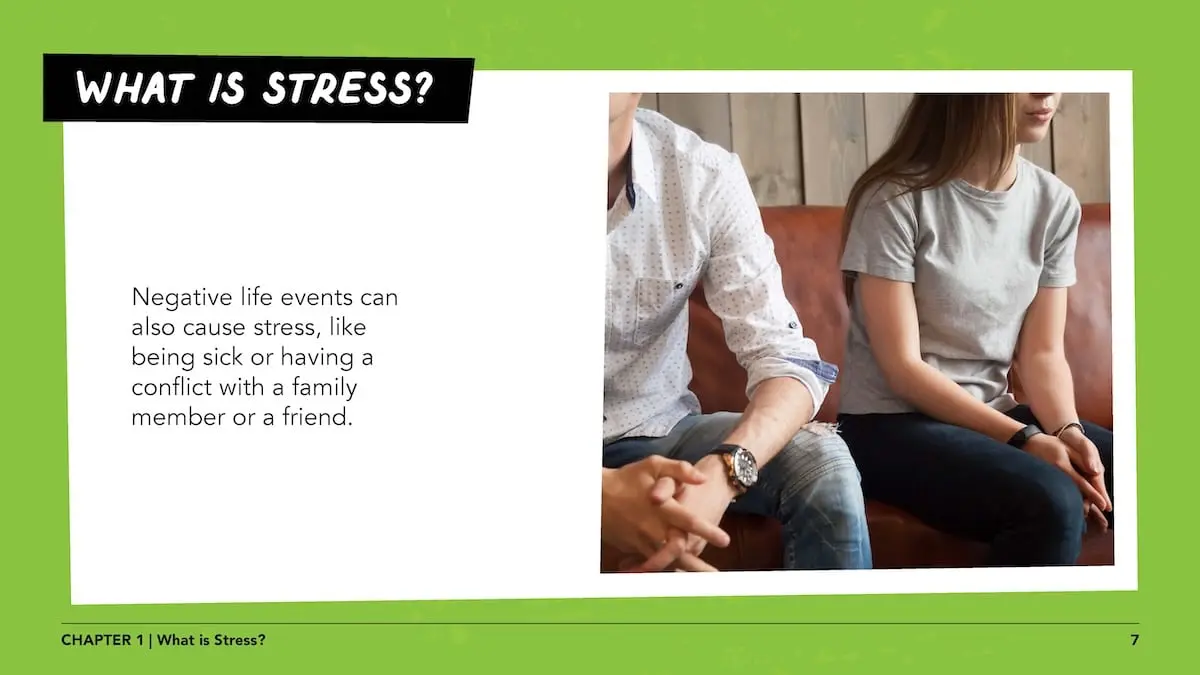
  • What is stress? Negative life events can also cause stress, like being sick or having a conflict with a family member or a friend.
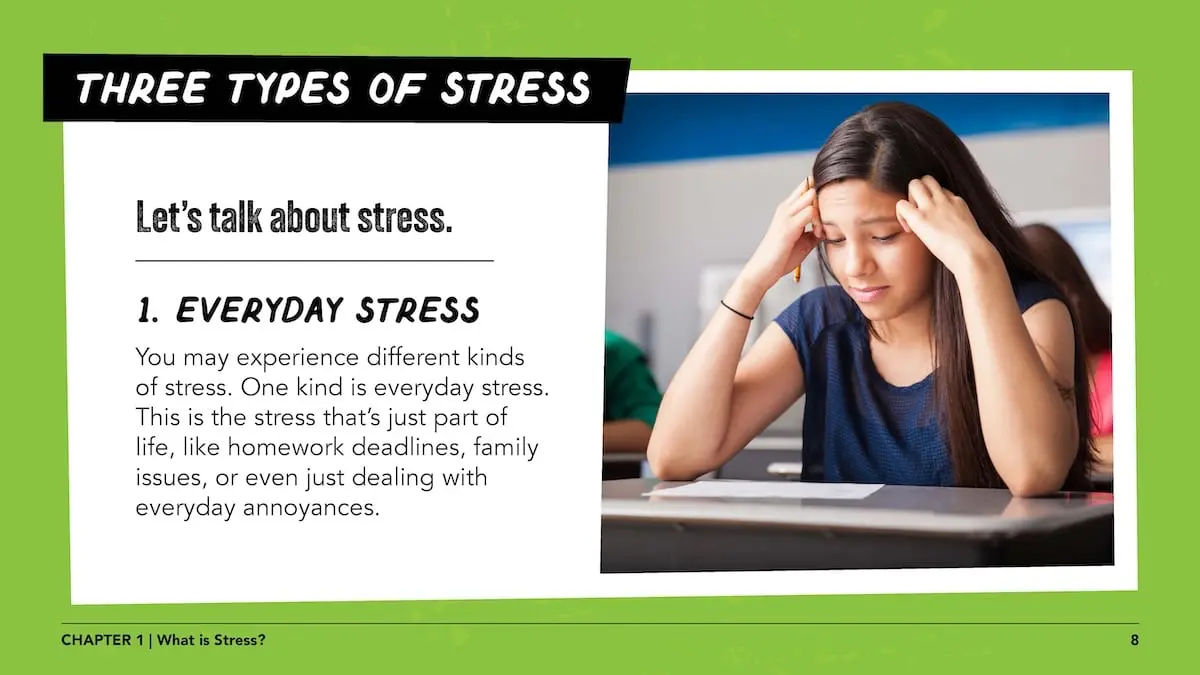
  • Three types of stress: 1. Everyday Stress - You may experience different kinds of stress. One kind is everyday stress. This is the stress that’s just part of life, like homework deadlines, family issues, or even just dealing with everyday annoyances.
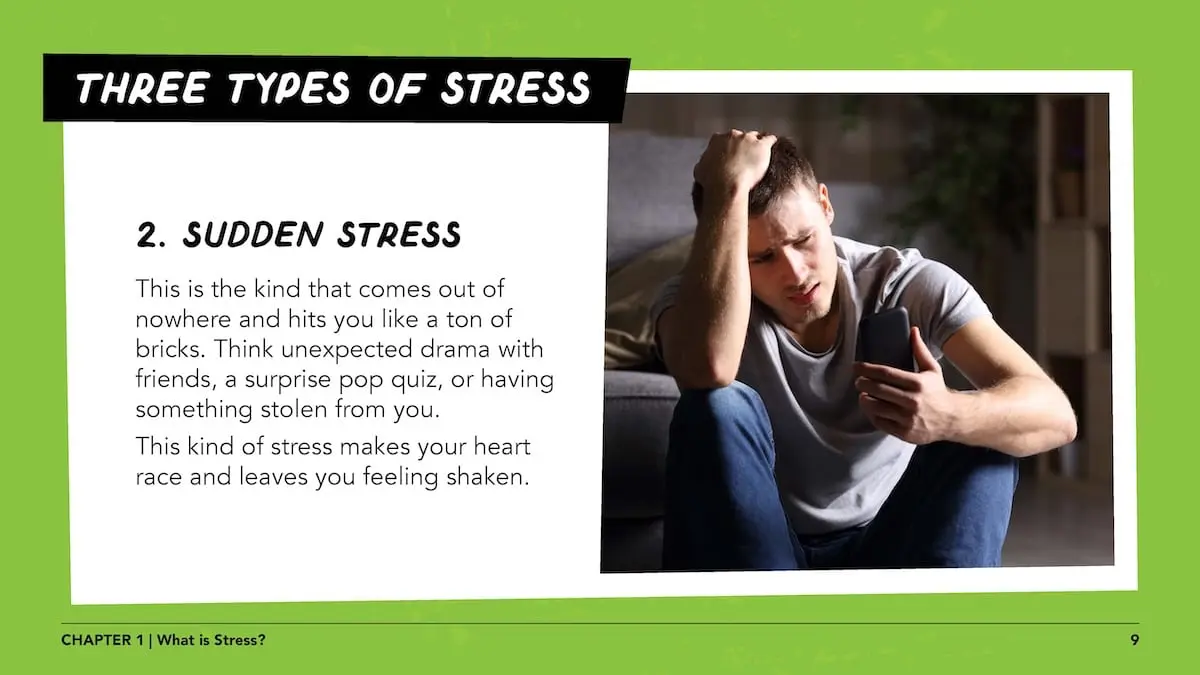
  • Three types of stress: 2. Sudden Stress - This is the kind that comes out of nowhere and hits you like a ton of bricks. Think unexpected drama with friends, a surprise pop quiz, or having something stolen from you. This kind of stress makes your heart race and leaves you feeling shaken.
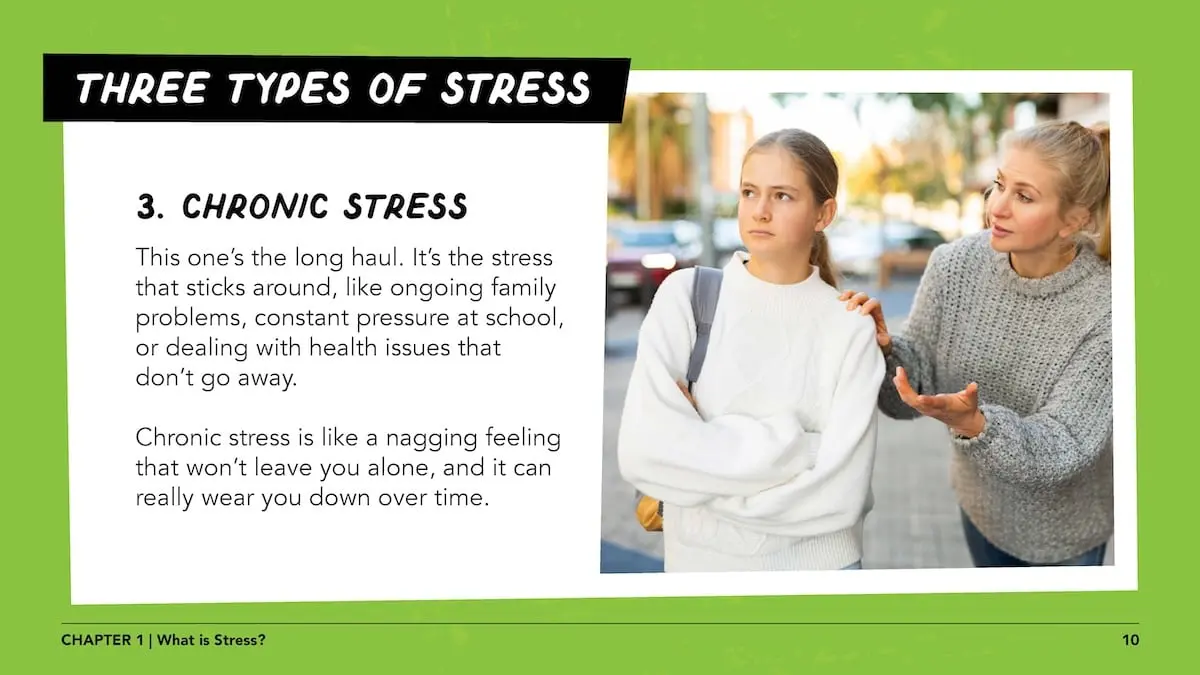
  • Three types of stress: 3. Chronic Stress - This one’s the long haul. It’s the stress that sticks around, like ongoing family problems, constant pressure at school, or dealing with health issues that don’t go away.Chronic stress is like a nagging feeling that won’t leave you alone, and it can really wear you down over time.
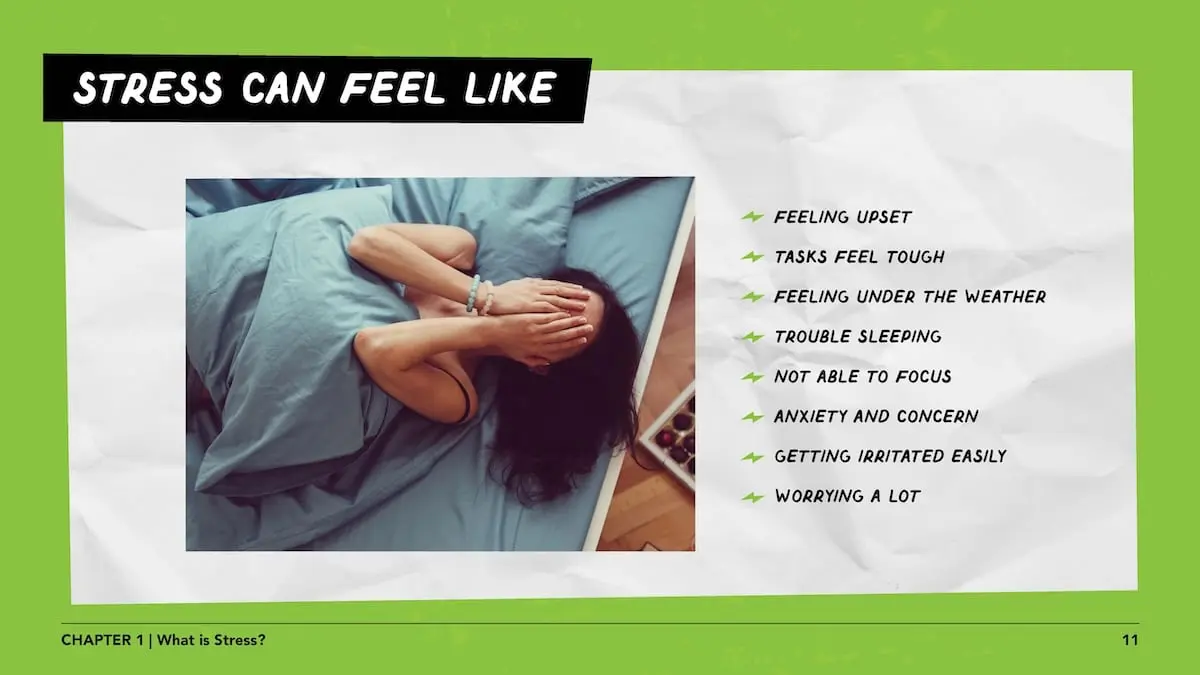
  • Stress can feel like: feeling upset, tasks feel tough, feeling under the weather, trouble sleeping, not able to focus, anxiety and concern, getting irritated easily, and worrying a lot
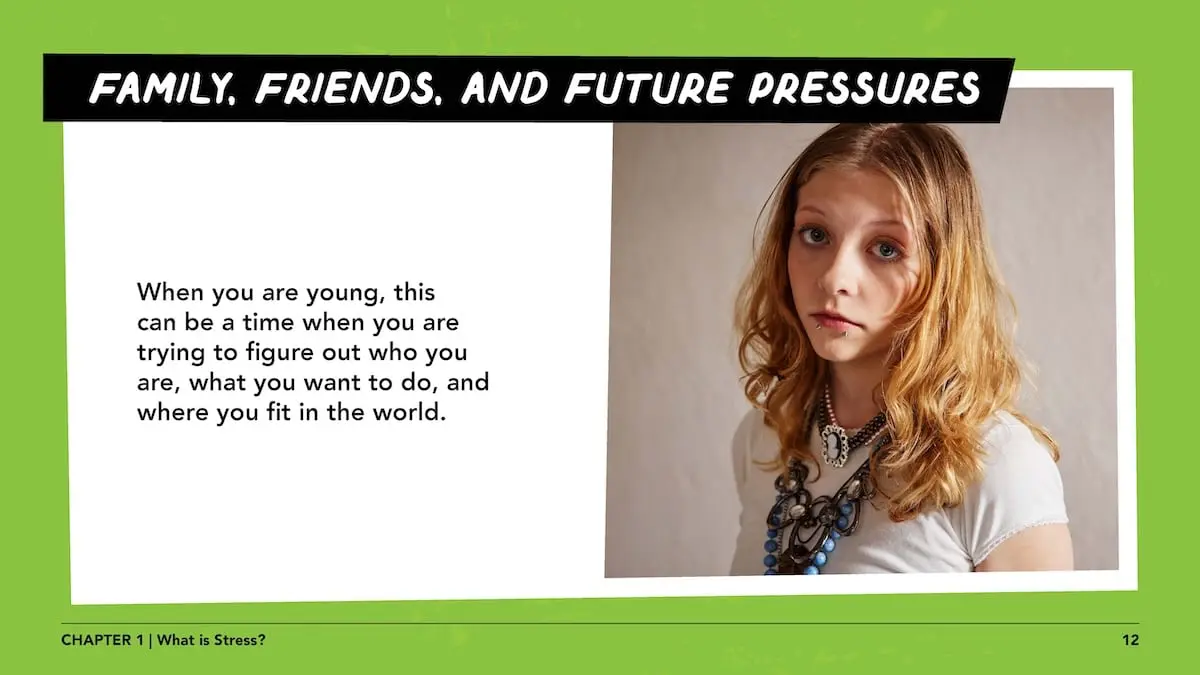
  • Family, friends, and future pressures - When you are young, this can be a time when you are trying to figure out who you are, what you want to do, and where you fit in the world.
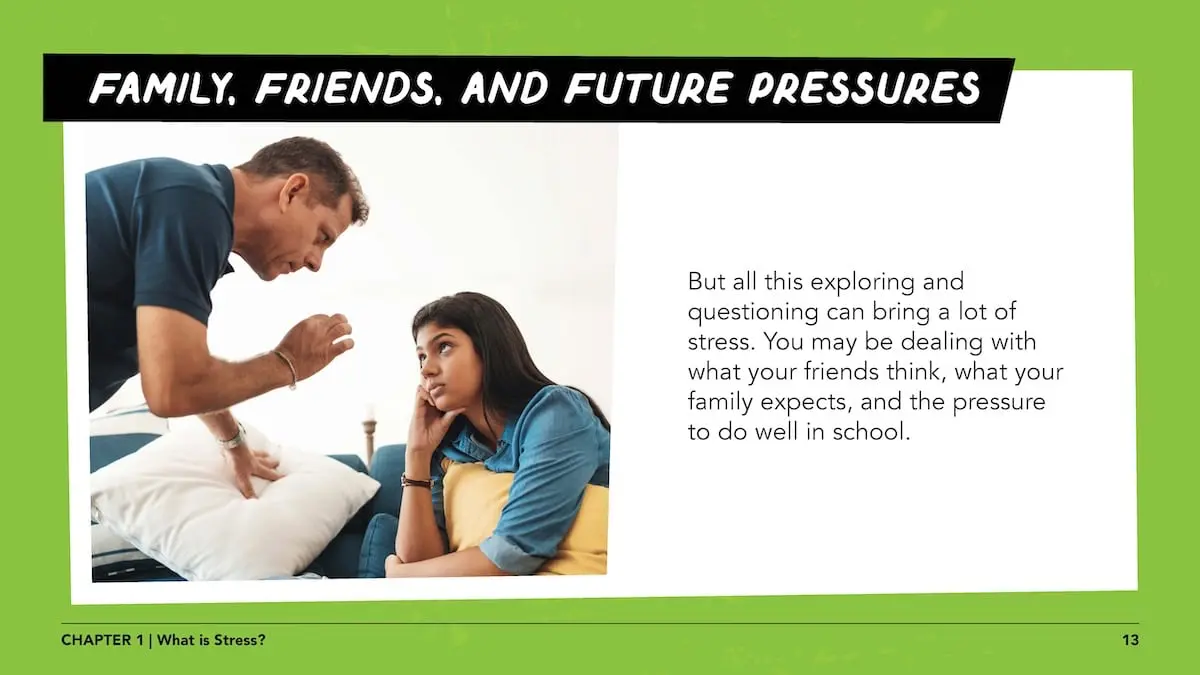
  • Family, friends, and future pressures - But all this exploring and questioning can bring a lot of stress. You may be dealing with what your friends think, what your family expects, and the pressure to do well in school.
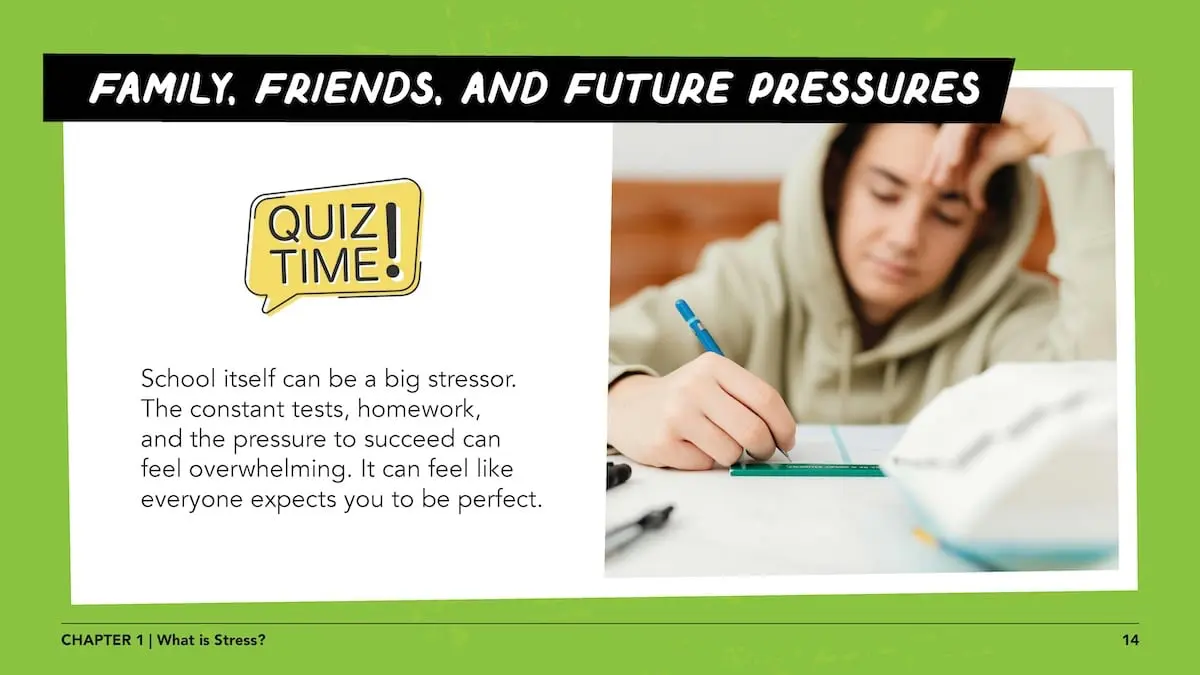
  • Family, friends, and future pressures - School itself can be a big stressor. The constant tests, homework, and the pressure to succeed can feel overwhelming. It can feel like everyone expects you to be perfect.
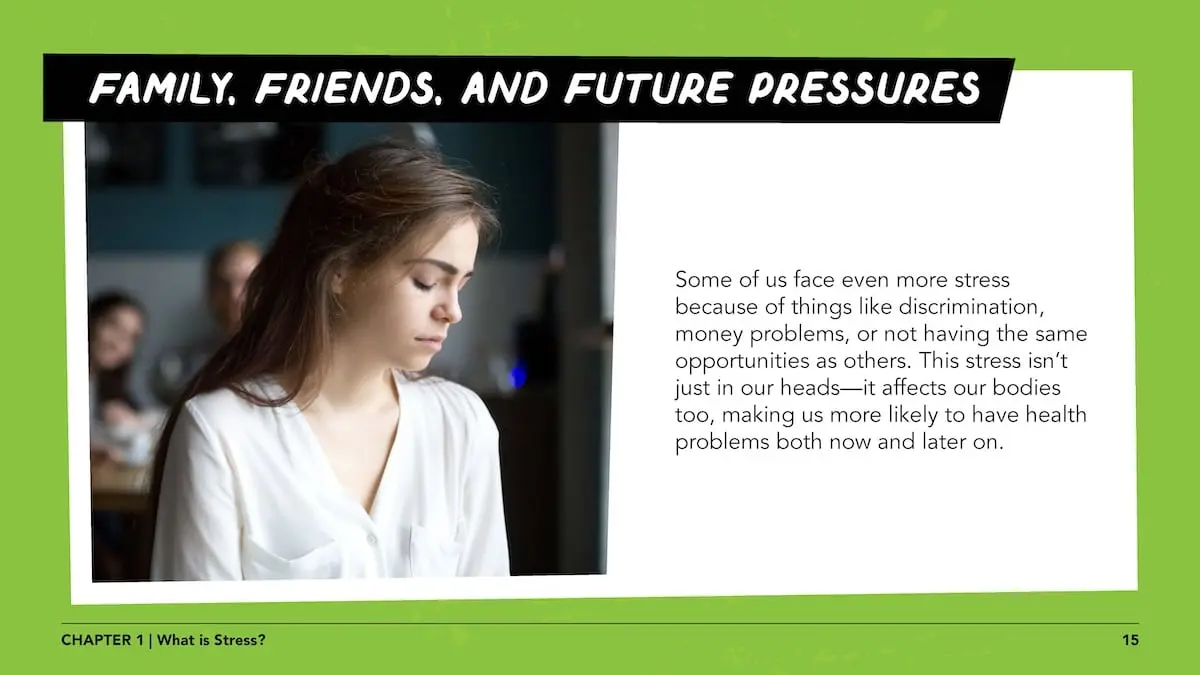
  • Family, friends, and future pressures - Some of us face even more stress because of things like discrimination, money problems, or not having the same opportunities as others. This stress isn’t just in our heads—it affects our bodies too, making us more likely to have health problems both now and later on.
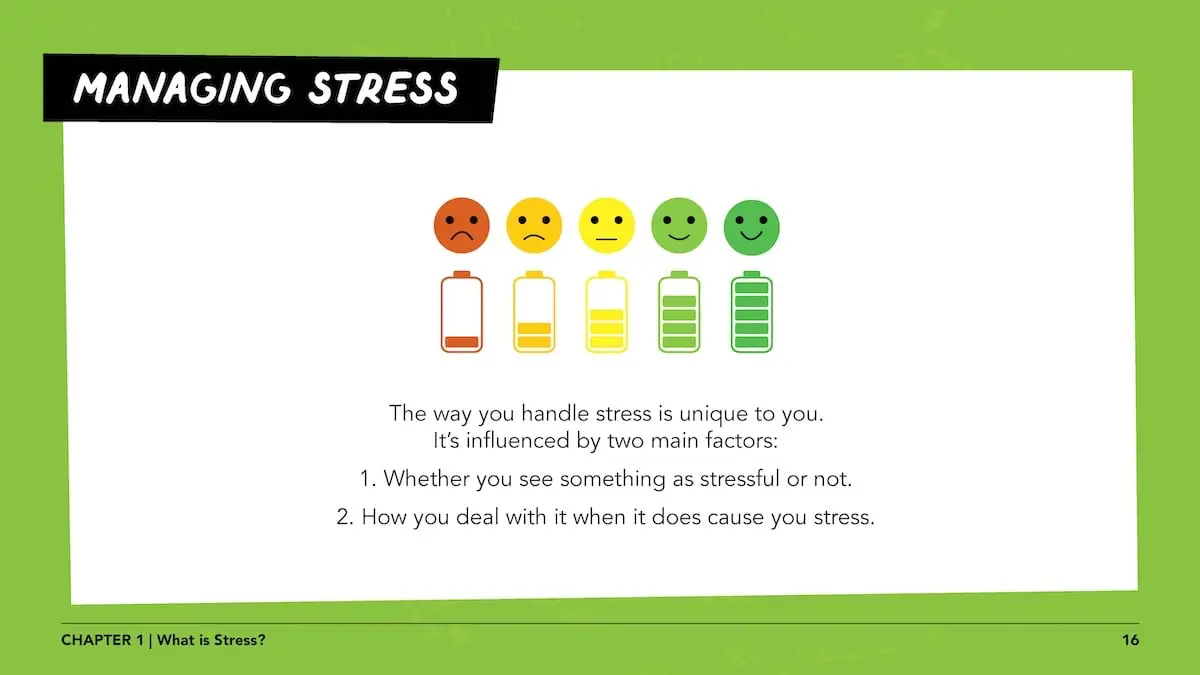
  • Managing stress - The way you handle stress is unique to you. It’s influenced by two main factors: 1. Whether you see something as stressful or not. 2. How you deal with it when it does cause you stress.
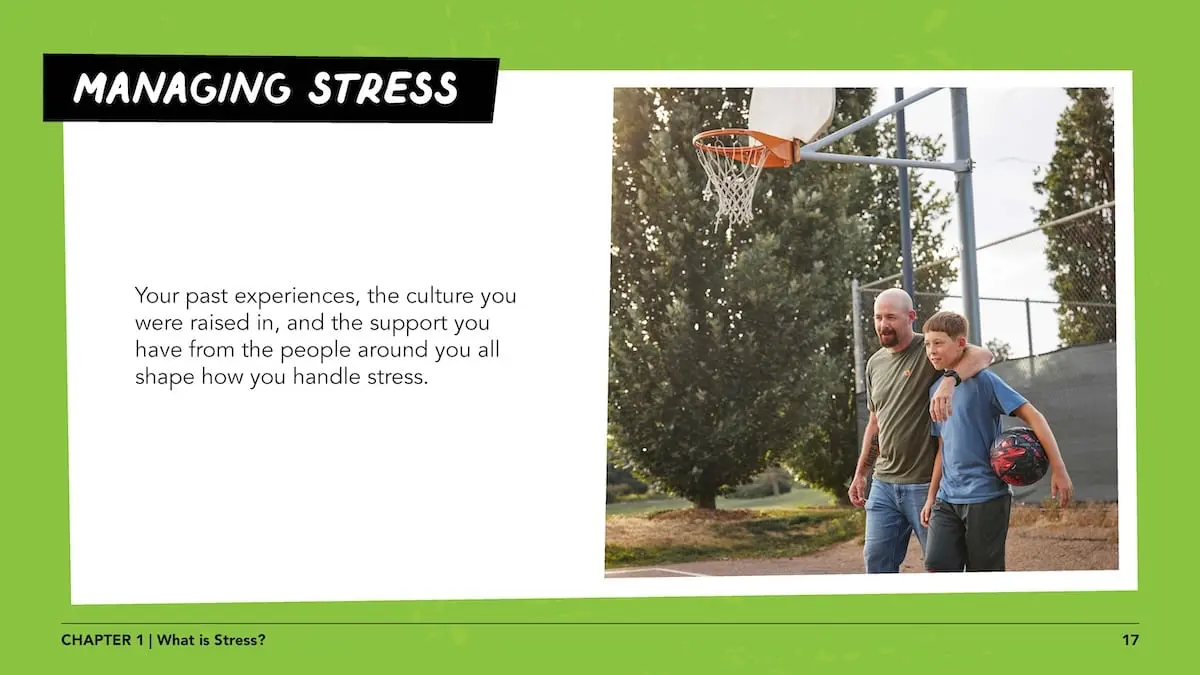
  • Managing stress - Your past experiences, the culture you were raised in, and the support you have from the people around you all shape how you handle stress.
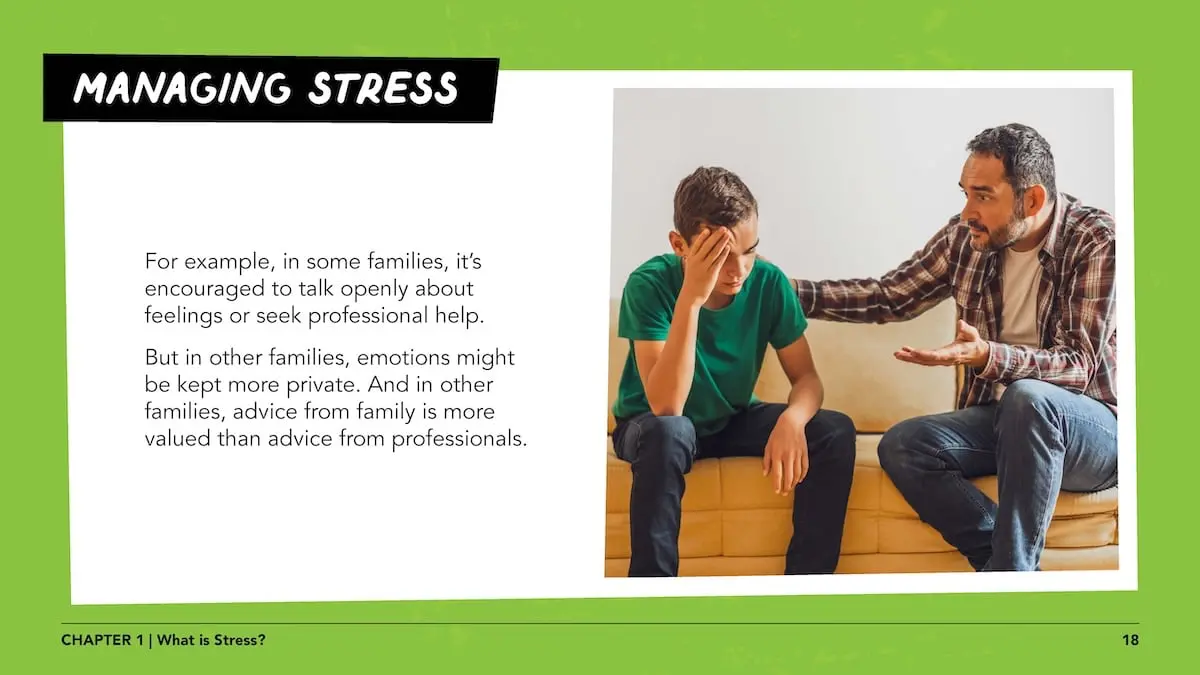
  • Managing stress - For example, in some families, it’s encouraged to talk openly about feelings or seek professional help. But in other families, emotions might be kept more private. And in other families, advice from family is more valued than advice from professionals.
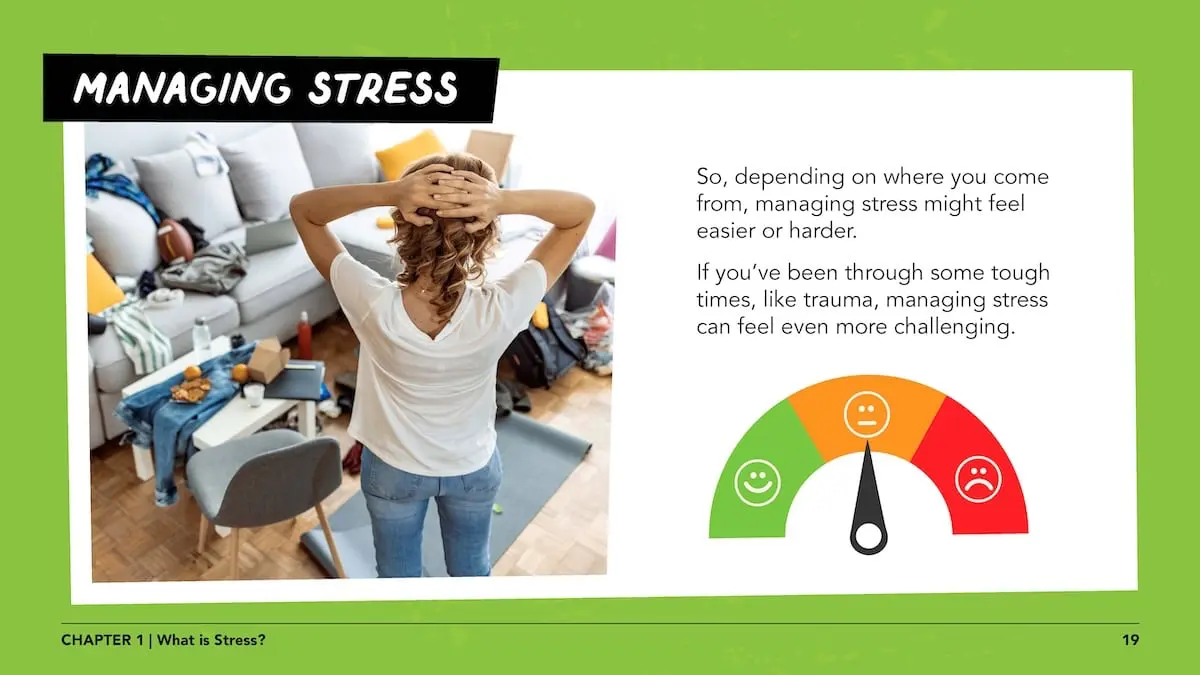
  • Managing stress - So, depending on where you come from, managing stress might feel easier or harder. If you’ve been through some tough times, like trauma, managing stress can feel even more challenging.
  • Green page with a white text box in the middle with the words "How stressed are you?"
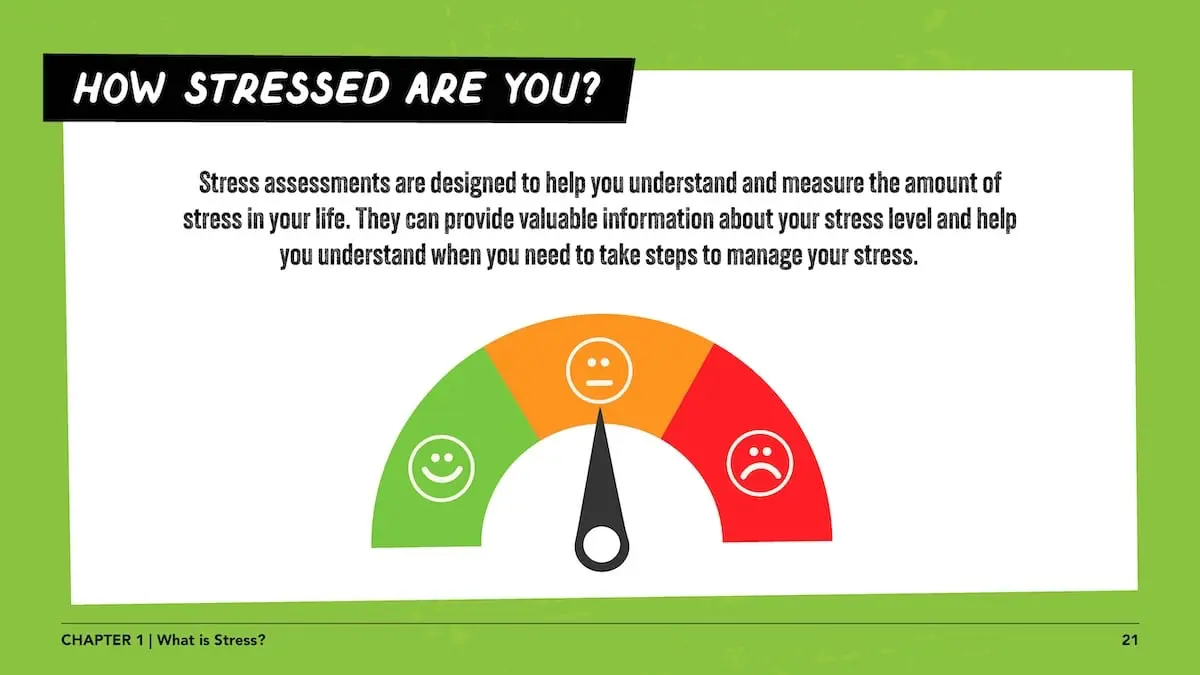
  • How stressed are you? Stress assessments are designed to help you understand and measure the amount of stress in your life. They can provide valuable information about your stress level and help you understand when you need to take steps to manage your stress.

  • How stressed are you? Take this short assessment to find out, then return here to find out what your score means: https://www.bemindfulonline.com/test-your-stress
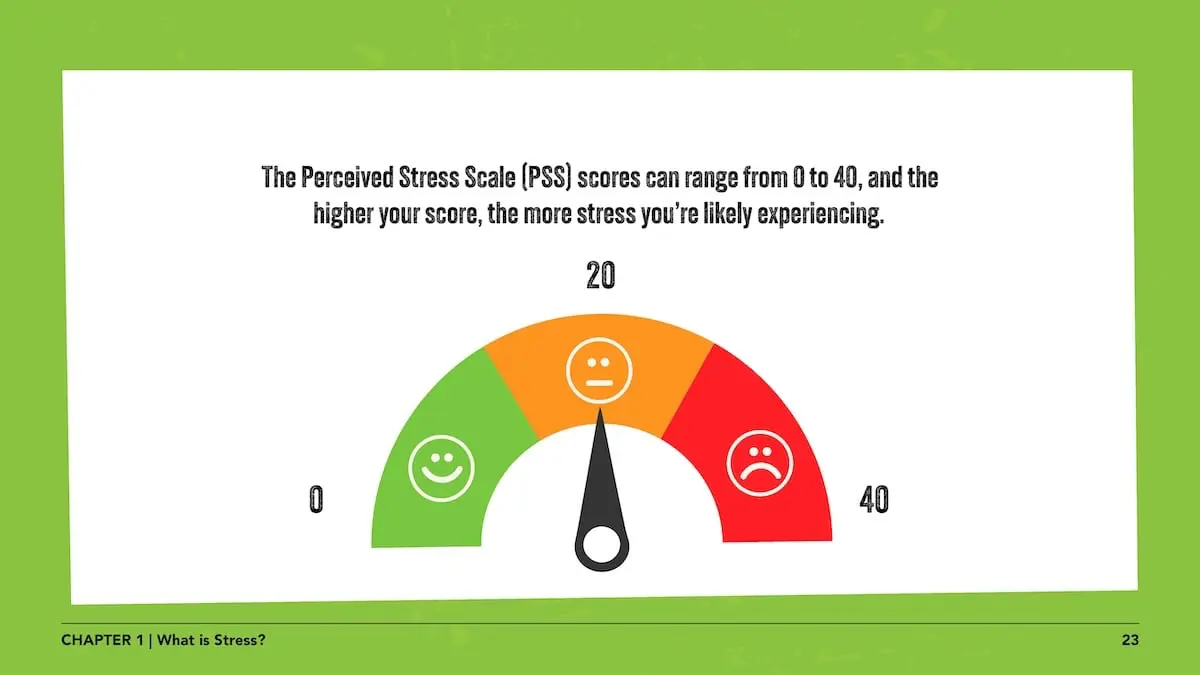
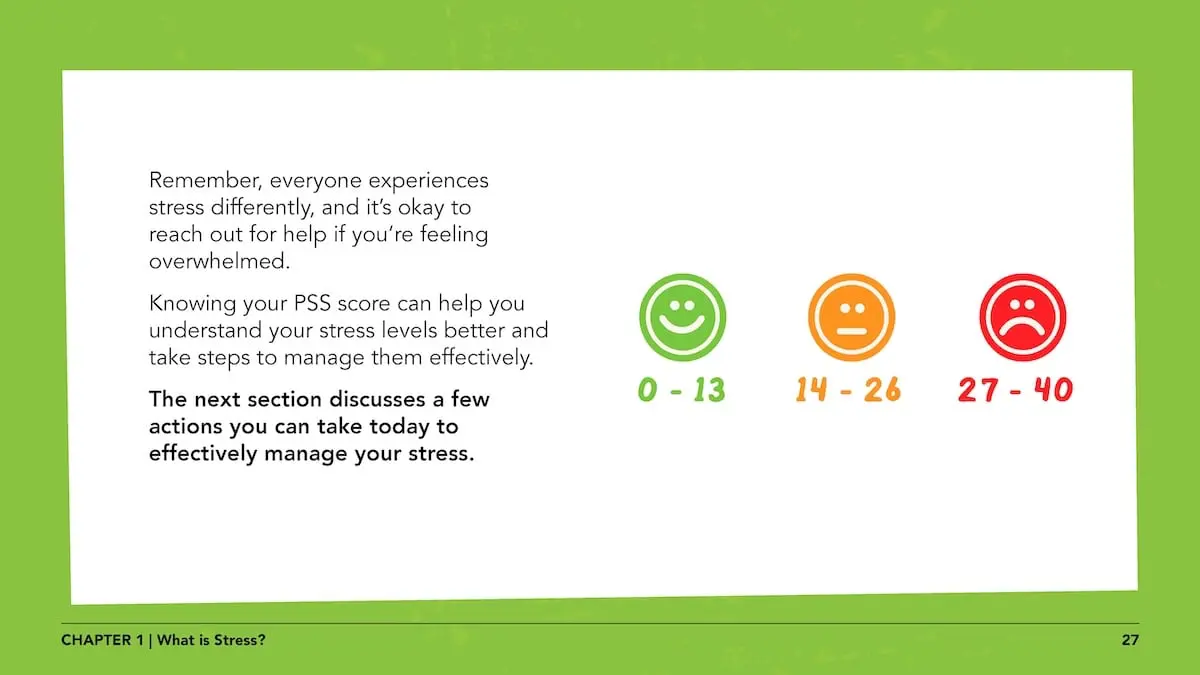
  • The Perceived Stress Scale (PSS) scores can range from 0 to 40, and the higher your score, the more stress you’re likely experiencing.
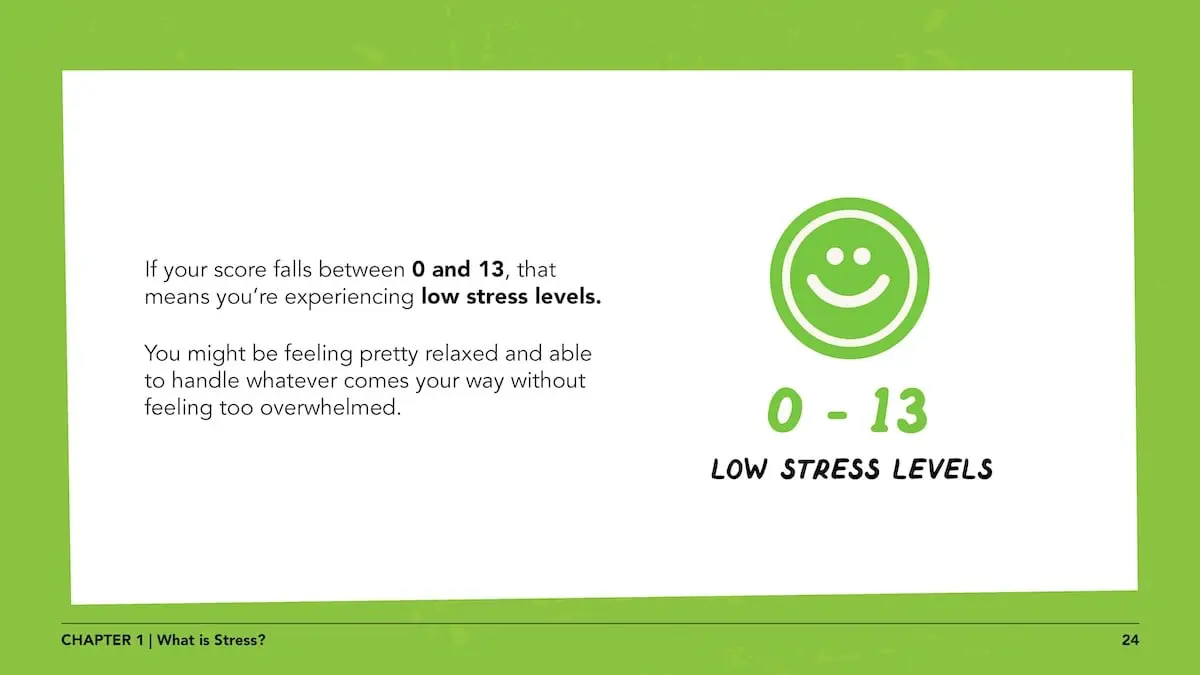
  • If your score falls between 0 and 13, that means you’re experiencing low stress levels.You might be feeling pretty relaxed and able to handle whatever comes your way without feeling too overwhelmed.
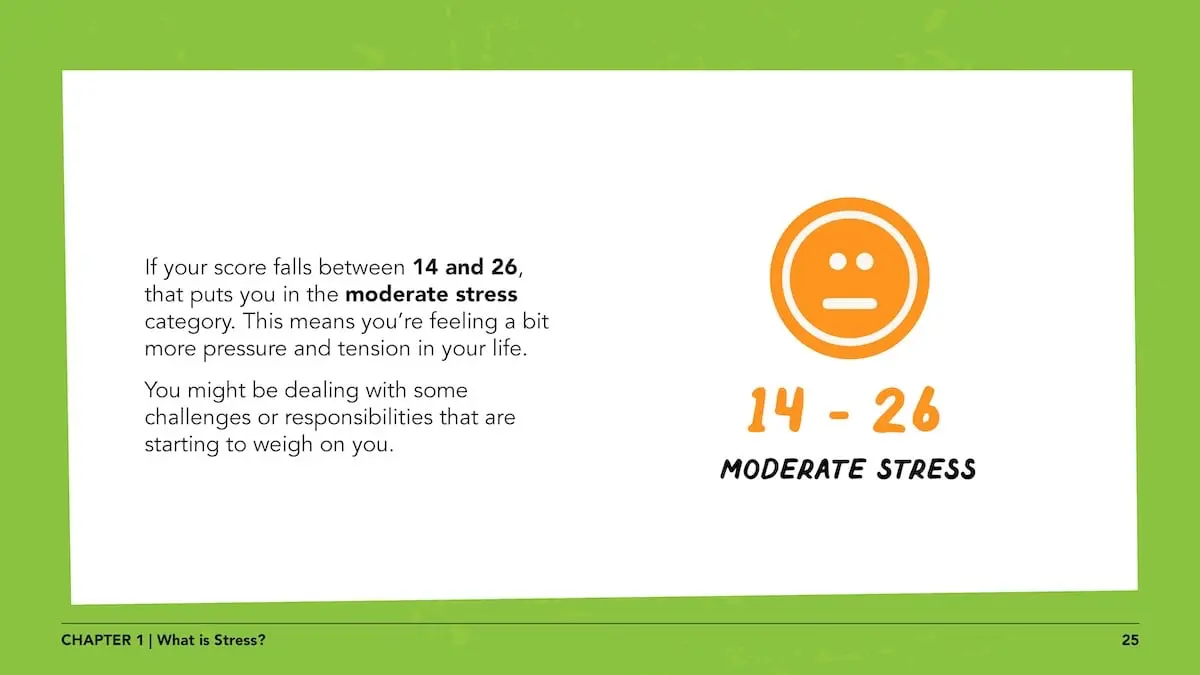
  • If your score falls between 14 and 26, that puts you in the moderate stress category. This means you’re feeling a bit more pressure and tension in your life. You might be dealing with some challenges or responsibilities that are starting to weigh on you.
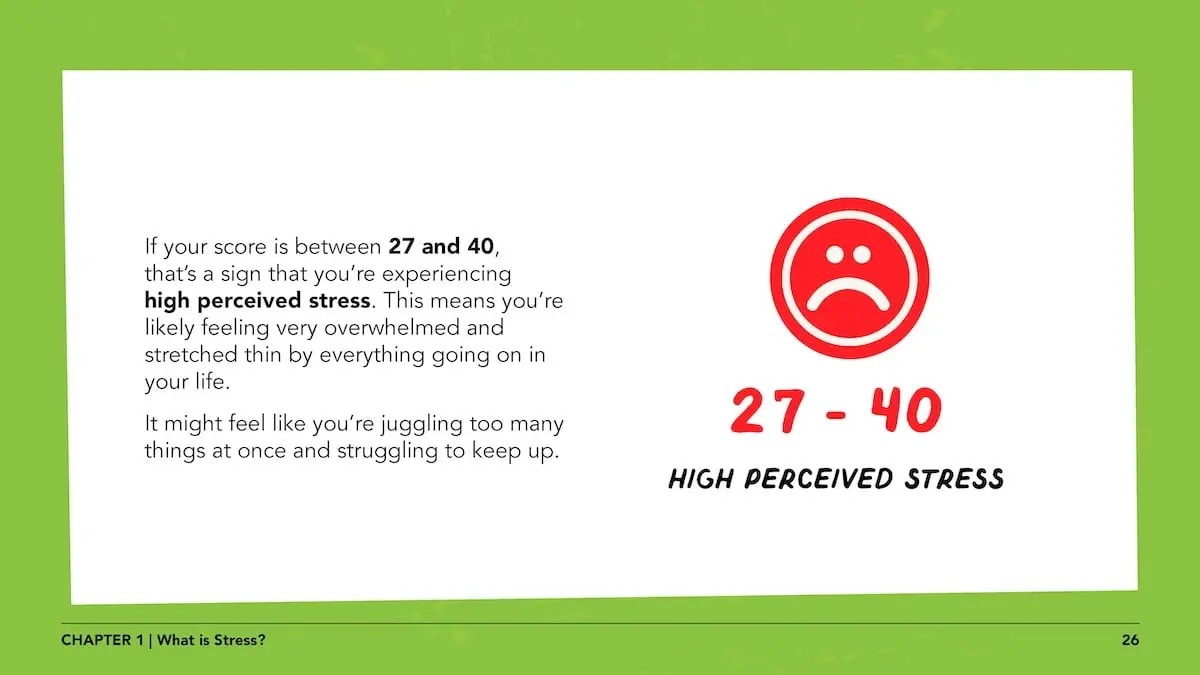
  • If your score is between 27 and 40, that’s a sign that you’re experiencing high perceived stress. This means you’re likely feeling very overwhelmed and stretched thin by everything going on in your life. It might feel like you’re juggling too many things at once and struggling to keep up.
  • Remember, everyone experiences stress differently, and it’s okay to reach out for help if you’re feeling overwhelmed. Knowing your PSS score can help you understand your stress levels better and take steps to manage them effectively. The next section discusses a few actions you can take today to effectively manage your stress.
  • Chapter 2 - Dealing With Stress
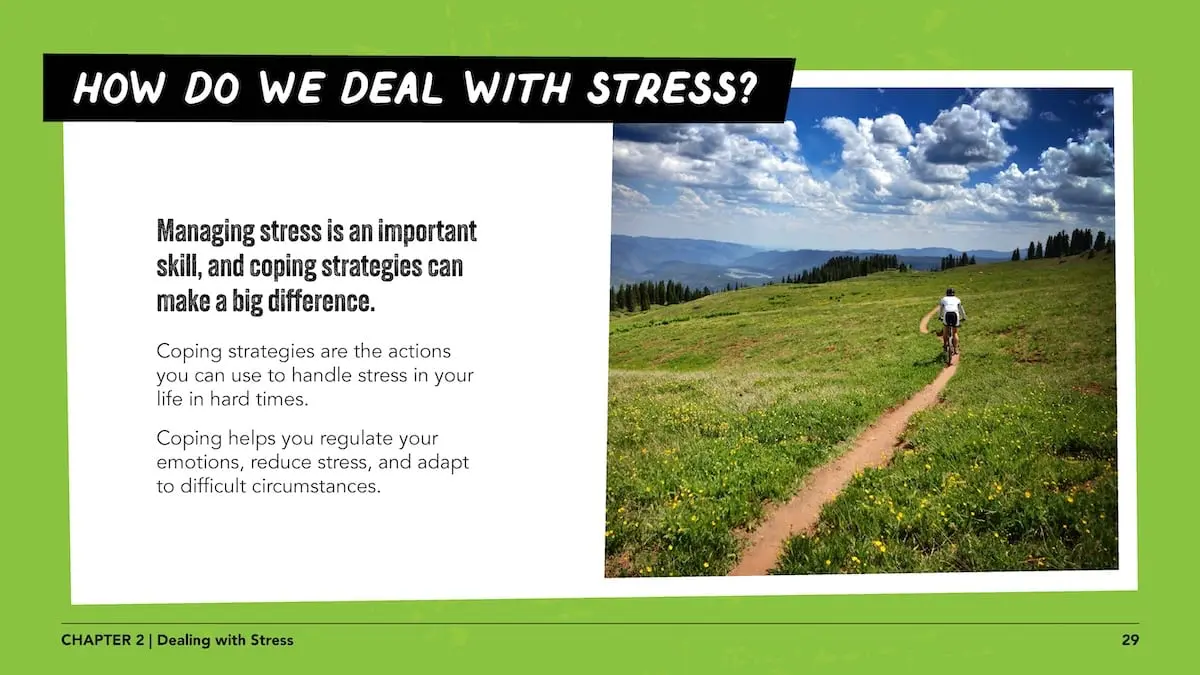
  • How do we deal with stress? Managing stress is an important skill, and coping strategies can make a big difference. Coping strategies are the actions you can use to handle stress in your life in hard times. Coping helps you regulate your emotions, reduce stress, and adapt to difficult circumstances.
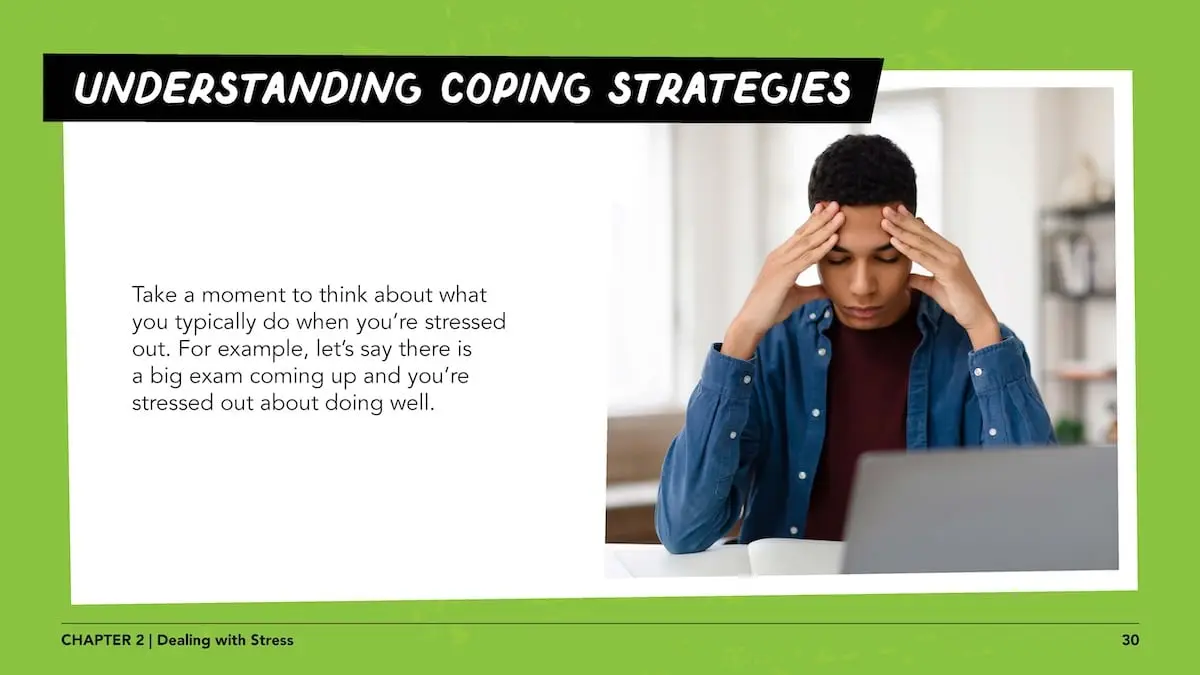
  • Understanding coping strategies - Take a moment to think about what you typically do when you’re stressed out. For example, let’s say there is a big exam coming up and you’re stressed out about doing well.
  • Understanding coping strategies - What will you do? Do you stay up late to study as much as possible? Do you distract yourself by eating, listening to music, hanging out with friends, or using social media? Do you ignore the exam and try not to think about it?
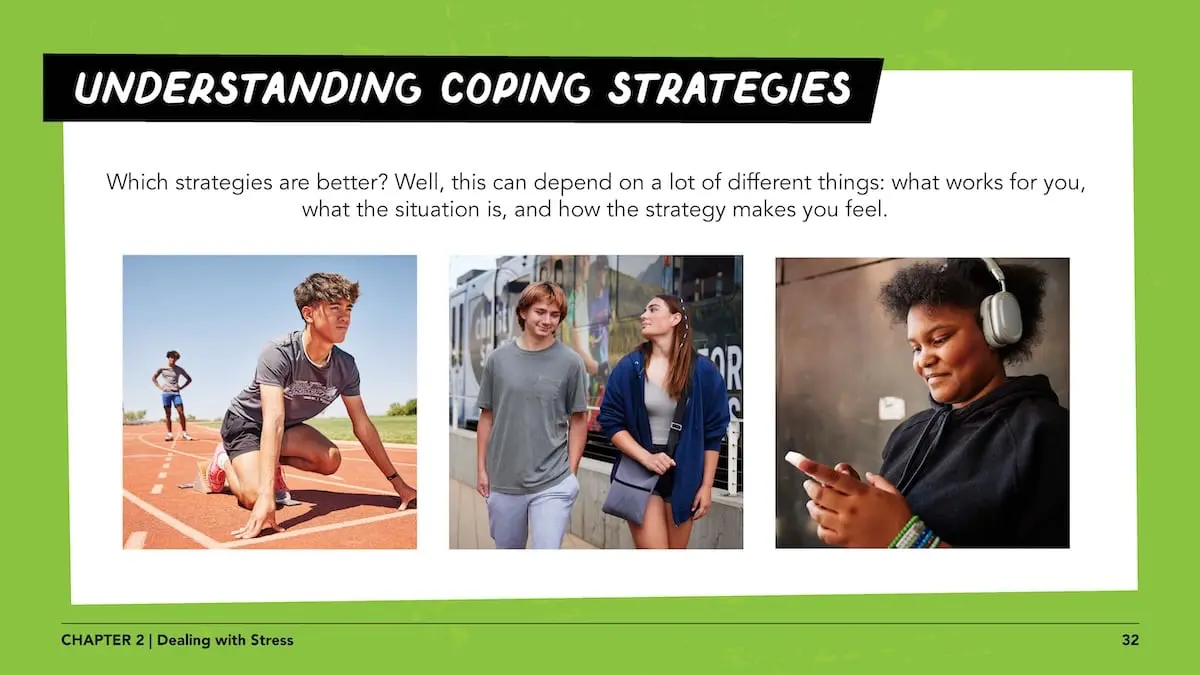
  • Understanding coping strategies - Which strategies are better? Well, this can depend on a lot of different things: what works for you, what the situation is, and how the strategy makes you feel.
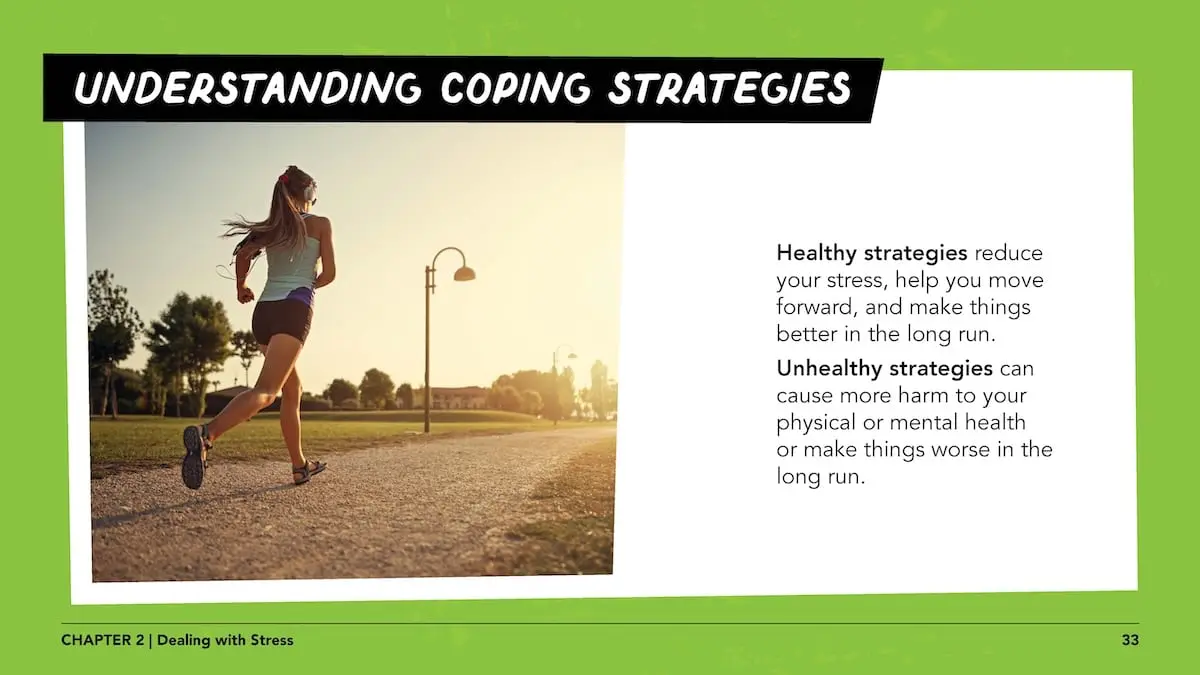
  • Understanding coping strategies - Healthy strategies reduce your stress, help you move forward, and make things better in the long run. Unhealthy strategies can cause more harm to your physical or mental health or make things worse in the long run.
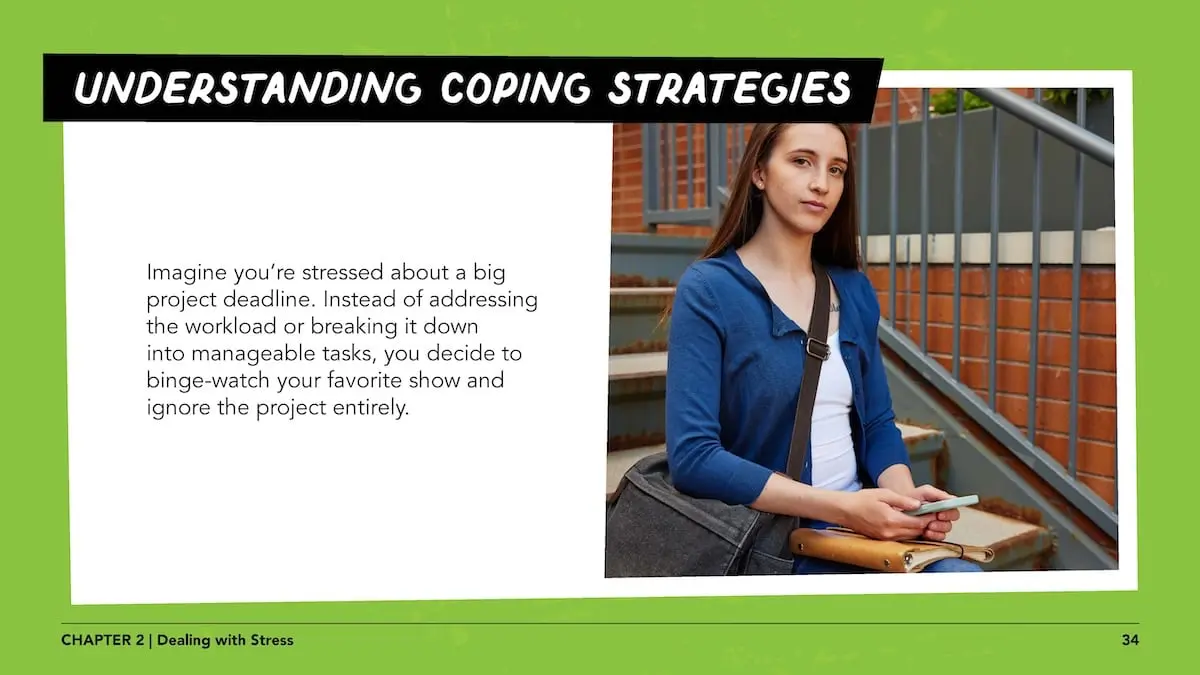
  • Understanding coping strategies - Imagine you’re stressed about a big project deadline. Instead of addressing the workload or breaking it down into manageable tasks, you decide to binge-watch your favorite show and ignore the project entirely.
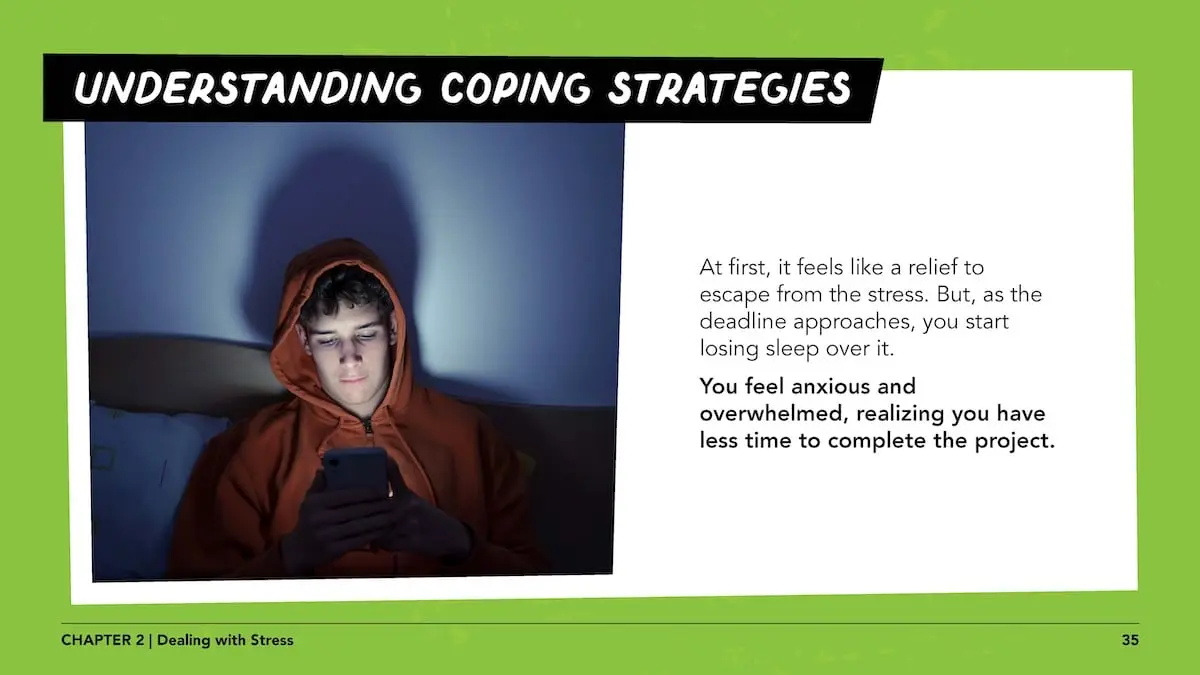
  • Understanding coping strategies - At first, it feels like a relief to escape from the stress. But, as the deadline approaches, you start losing sleep over it. You feel anxious and overwhelmed, realizing you have less time to complete the project.
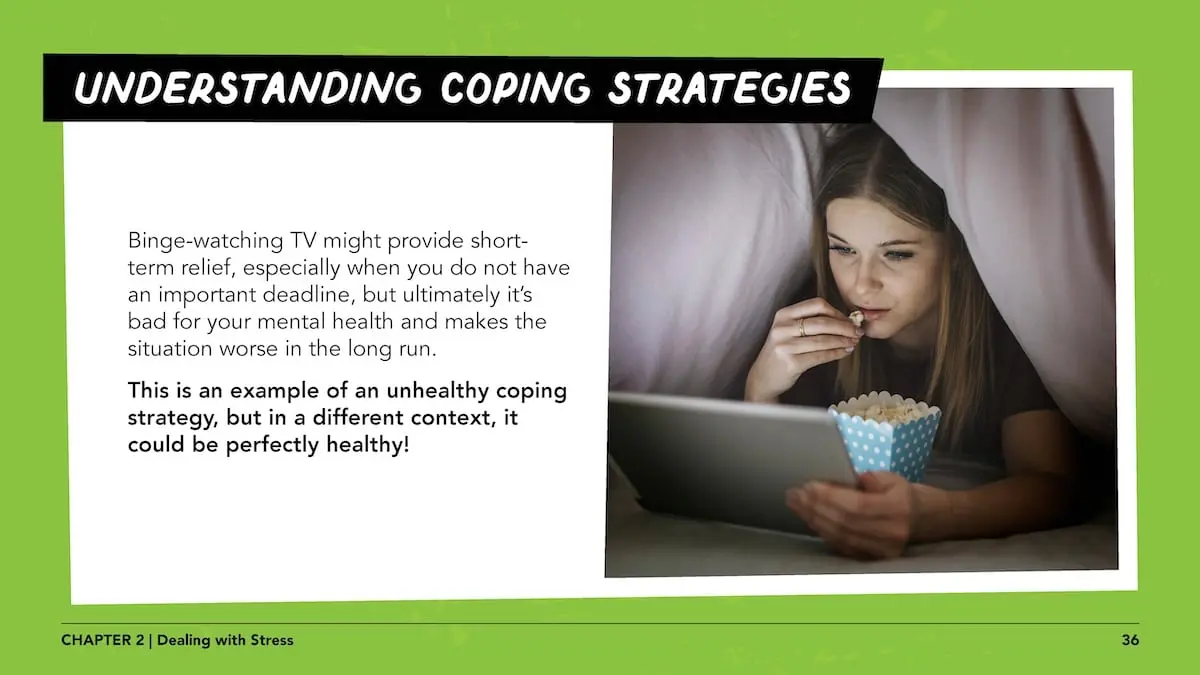
  • Understanding coping strategies - Binge-watching TV might provide short-term relief, especially when you do not have an important deadline, but ultimately it’s bad for your mental health and makes the situation worse in the long run.This is an example of an unhealthy coping strategy, but in a different context, it could be perfectly healthy!
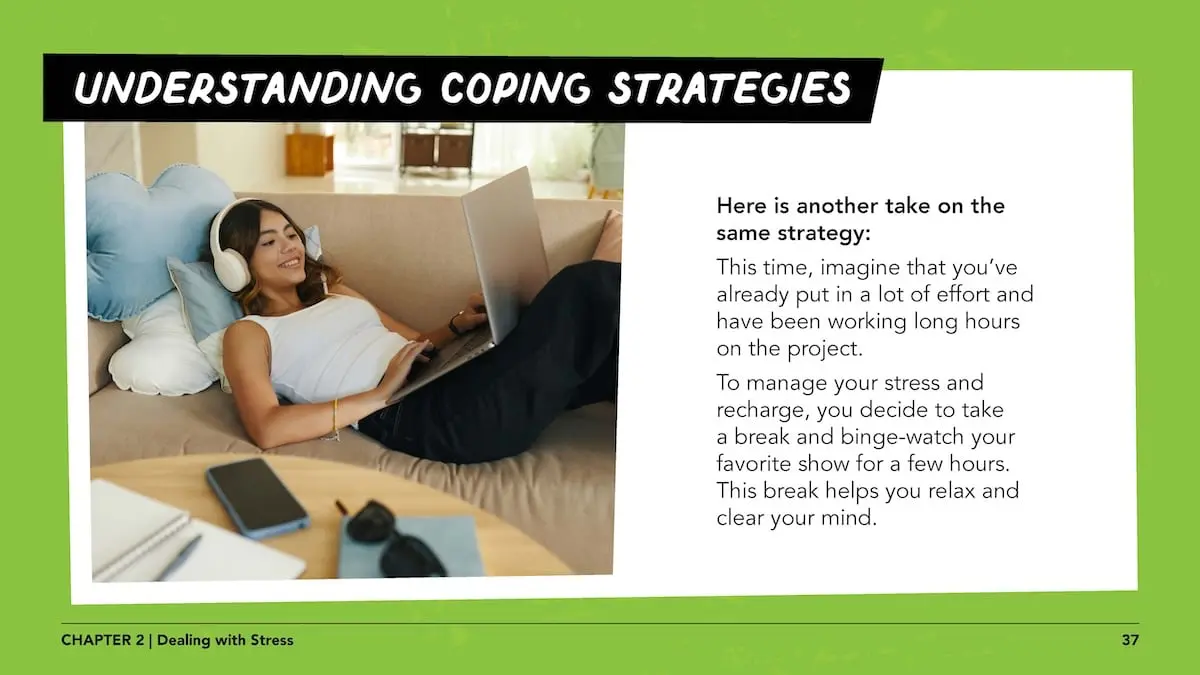
  • Understanding coping strategies - Here is another take on the same strategy: This time, imagine that you’ve already put in a lot of effort and have been working long hours on the project. To manage your stress and recharge, you decide to take a break and binge-watch your favorite show for a few hours. This break helps you relax and clear your mind.
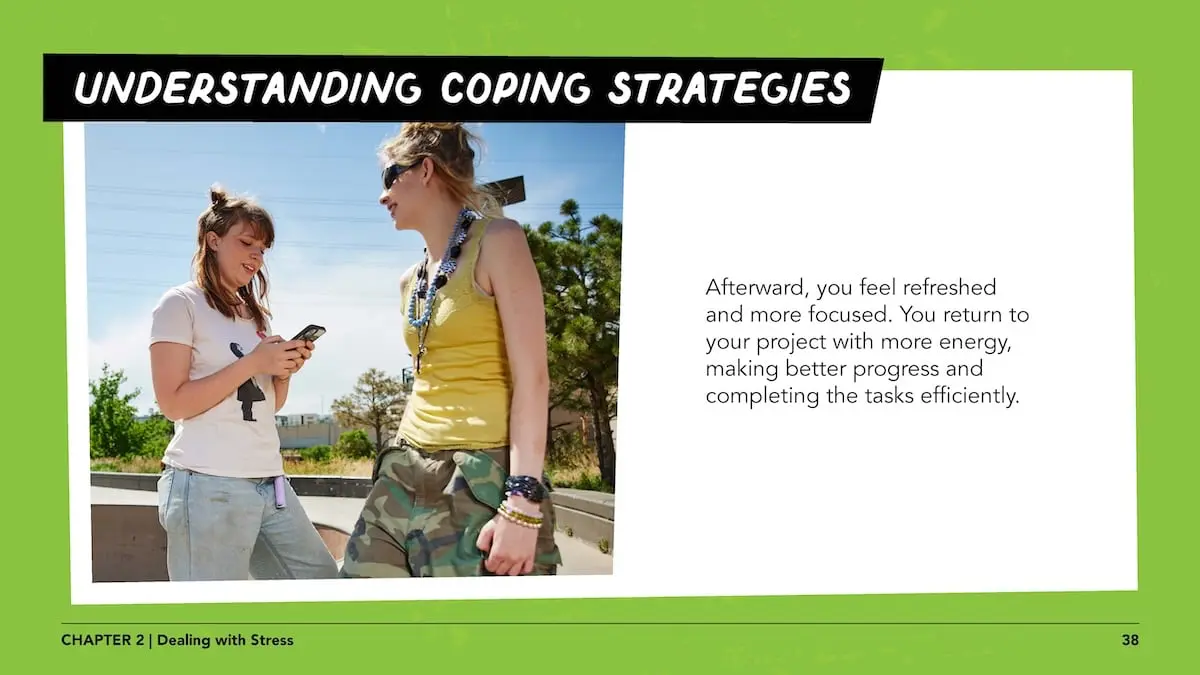
  • Understanding coping strategies - Afterward, you feel refreshed and more focused. You return to your project with more energy, making better progress and completing the tasks efficiently.
  • Understanding coping strategies - In this case, taking time to watch the show was a coping strategy that helped you manage your stress and improve your overall productivity in the long run.
  • Coping strategy activity - Think about what you usually do when you are stressed. For example, when you had a test coming up or when you had a misunderstanding with family or friends that bothered you. Think about the situation and your response to it.
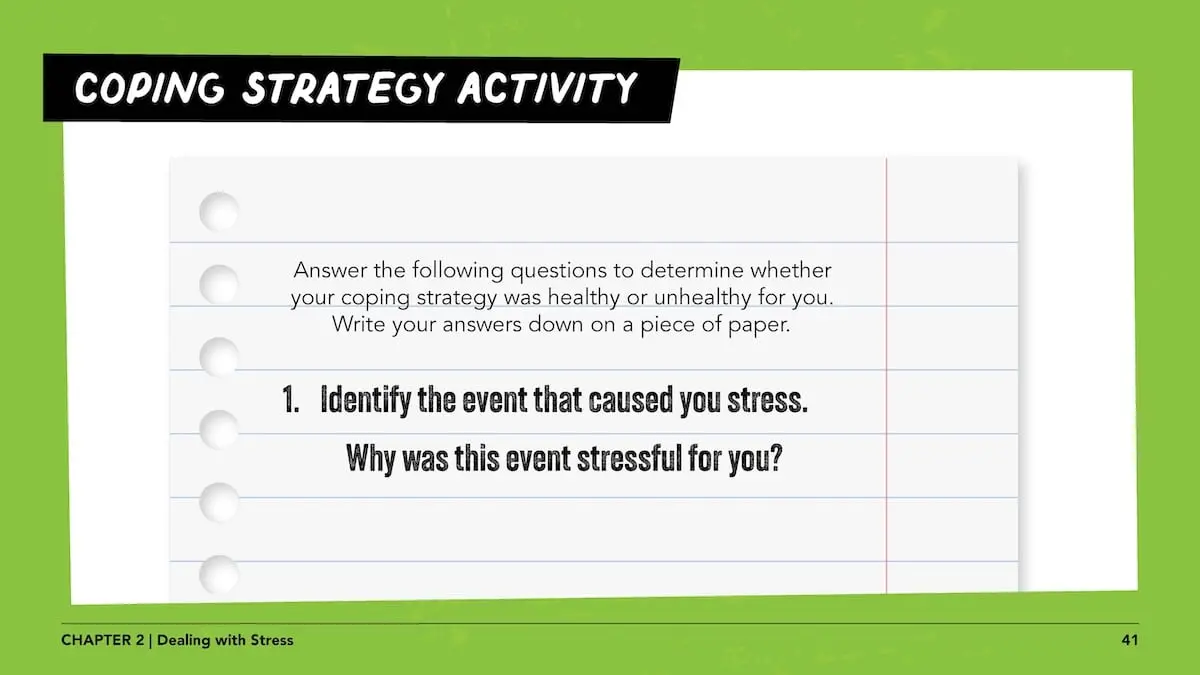
  • Coping Strategy Activity - Answer the following questions to determine whether your coping strategy was healthy or unhealthy for you. Write your answers down on a piece of paper. 1.Identify the event that caused you stress. Why was this event stressful for you?
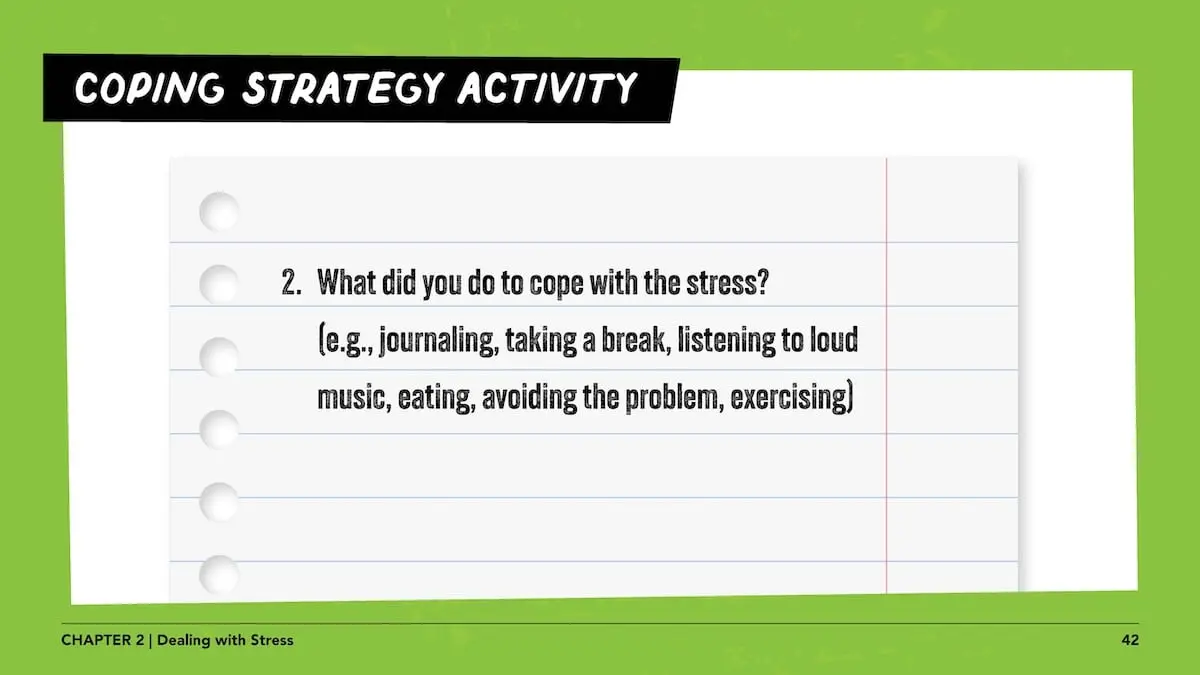
  • Coping strategy activity - 2.What did you do to cope with the stress? (e.g., journaling, taking a break, listening to loud music, eating, avoiding the problem, exercising)
  • Coping strategy activity - 3.Did your coping strategy help reduce your stress?
  • Coping strategy activity - 4.How did you feel after using this strategy?
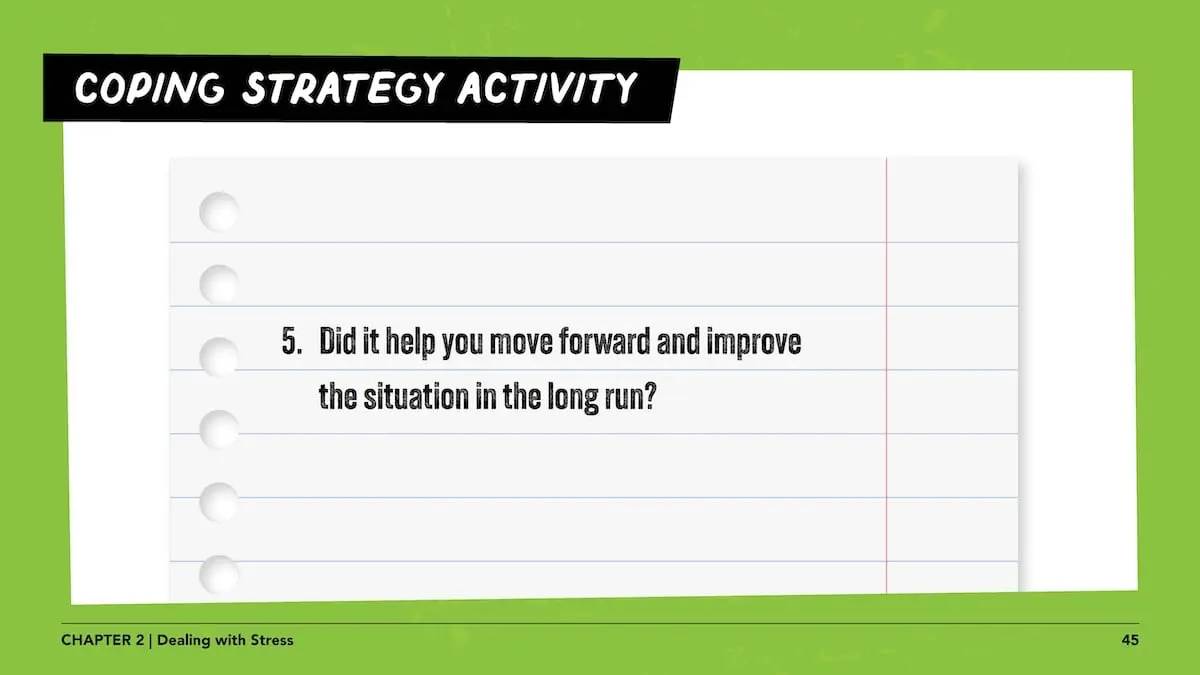
  • Coping strategy activity - 5.Did it help you move forward and improve the situation in the long run?
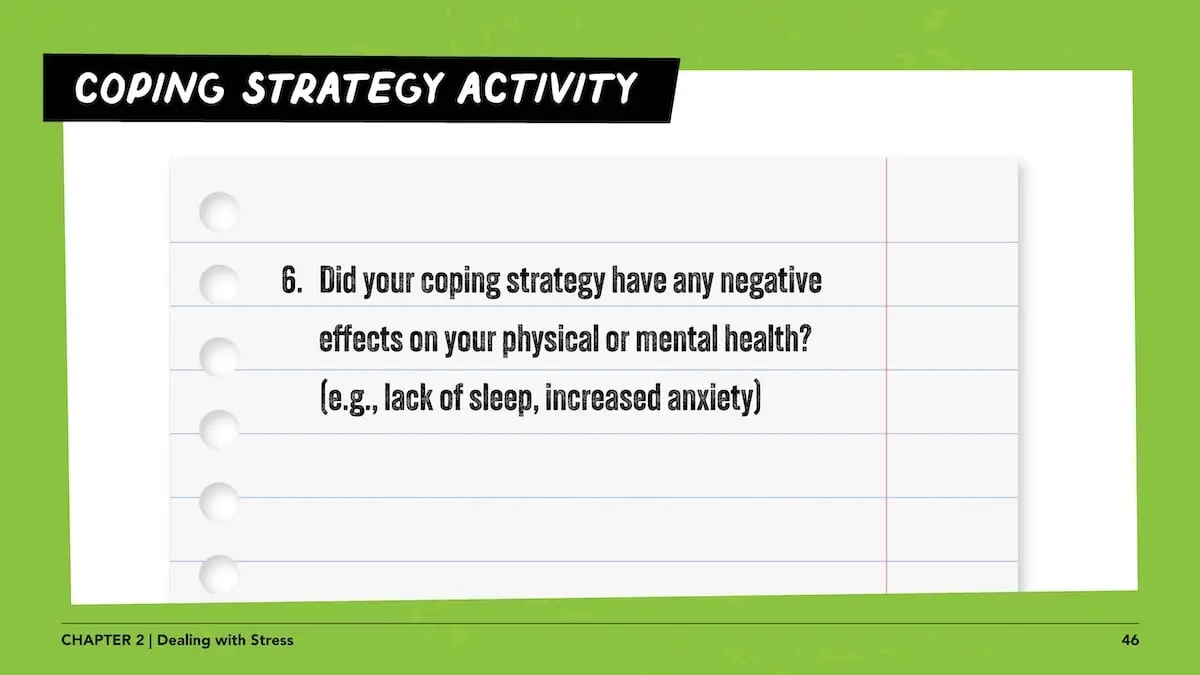
  • Coping strategy activity - 6. Did your coping strategy have any negative effects on your physical or mental health? (e.g., lack of sleep, increased anxiety)
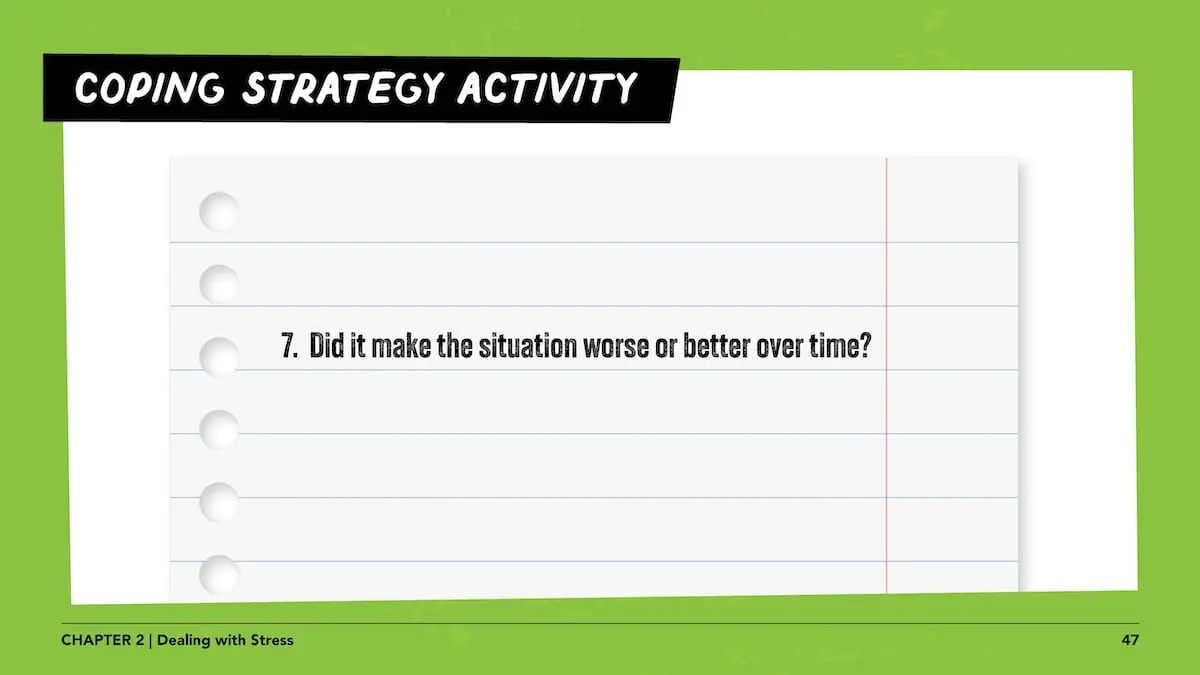
  • Coping strategy activity - 7. Did it make the situation worse or better over time?
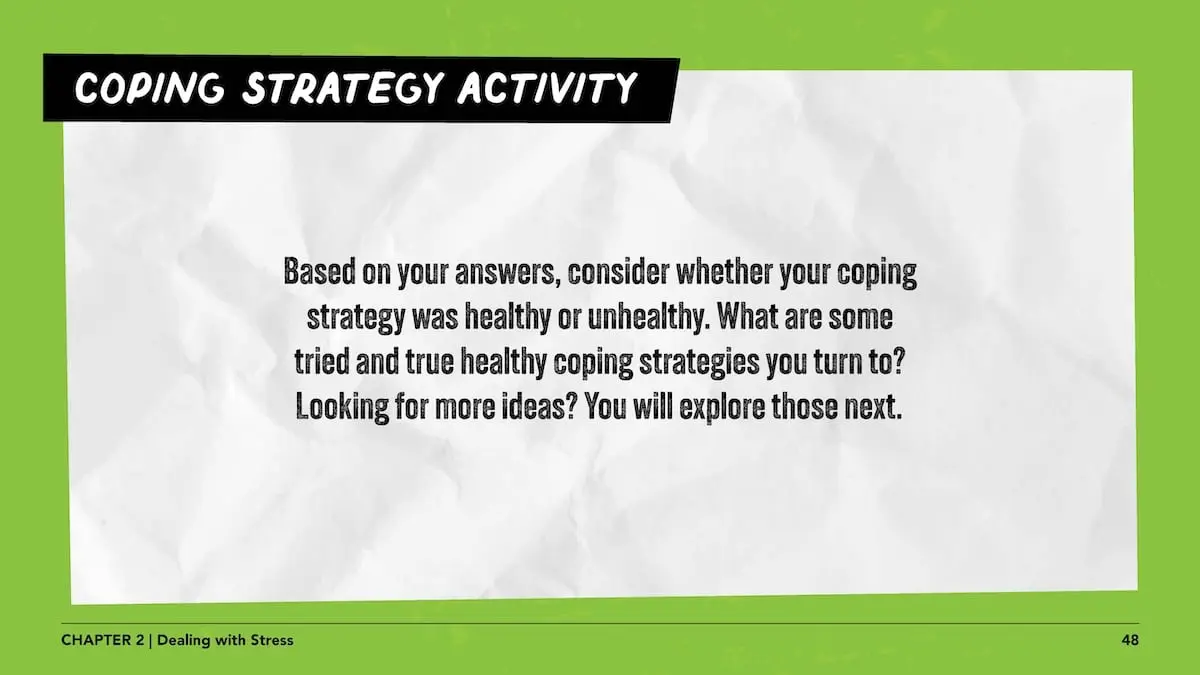
  • Coping strategy activity - Based on your answers, consider whether your coping strategy was healthy or unhealthy. What are some tried and true healthy coping strategies you turn to? Looking for more ideas? You will explore those next.
  • Coping strategy activity - As you explore these, think about what coping strategies you use, and what new coping strategies you might want to try. Click into each one to learn some techniques you can add to your toolbox the next time you’re feeling stressed.

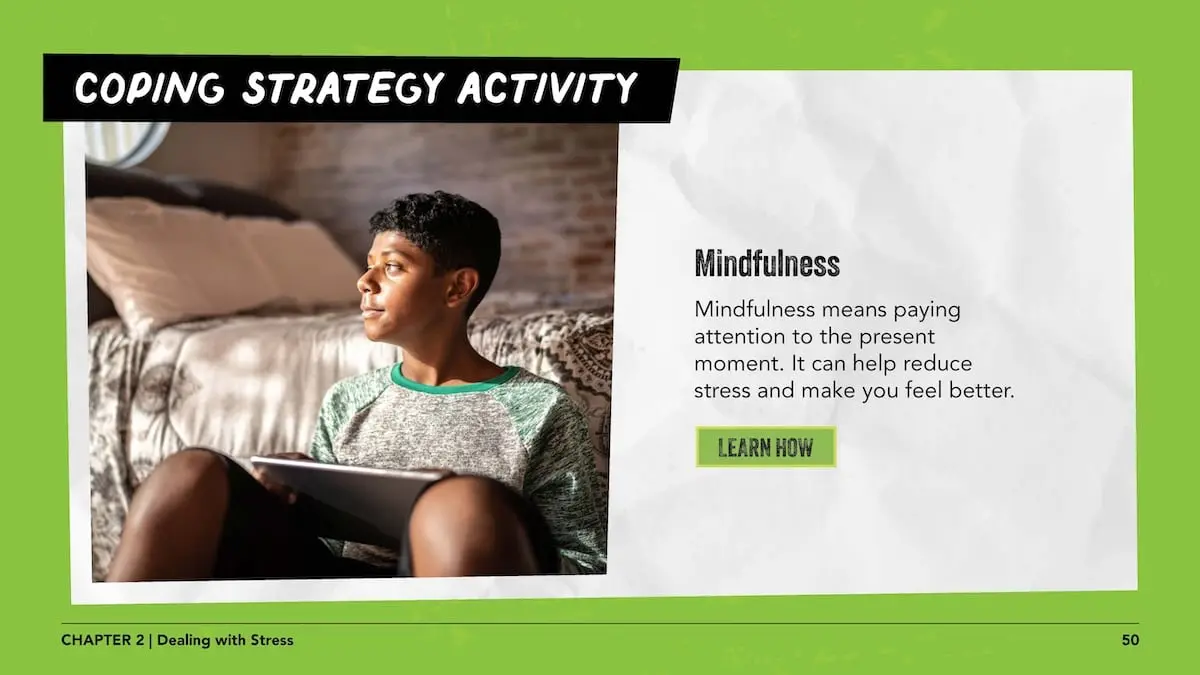
  • Coping strategy activity - Mindfulness. Mindfulness means paying attention to the present moment. It can help reduce stress and make you feel better.

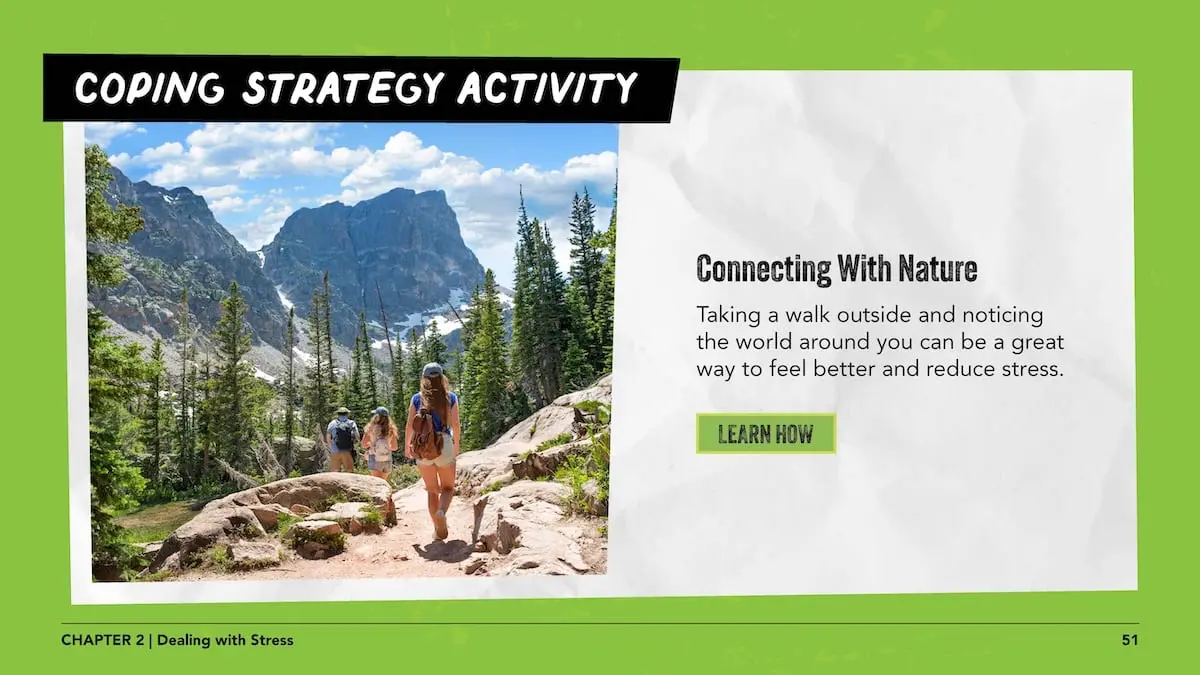
  • Coping strategy activity - Connecting with nature. Taking a walk outside and noticing the world around you can be a great way to feel better and reduce stress.

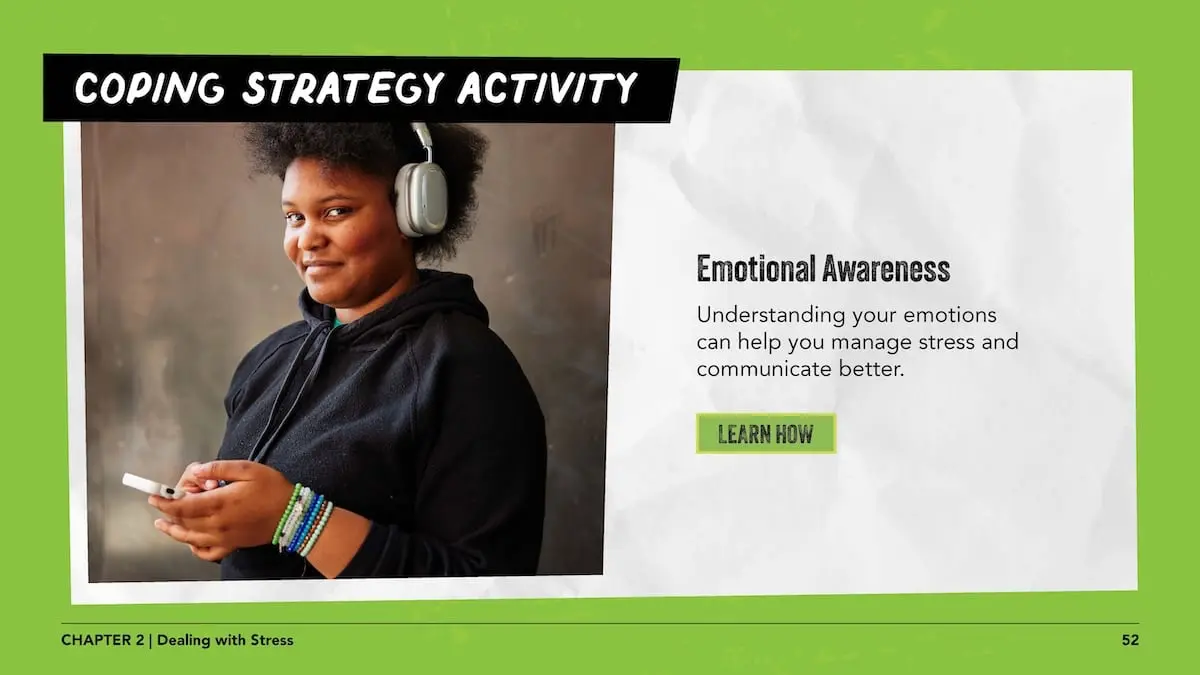
  • Coping strategy activity - Emotional awareness. Understanding your emotions can help you manage stress and communicate better.

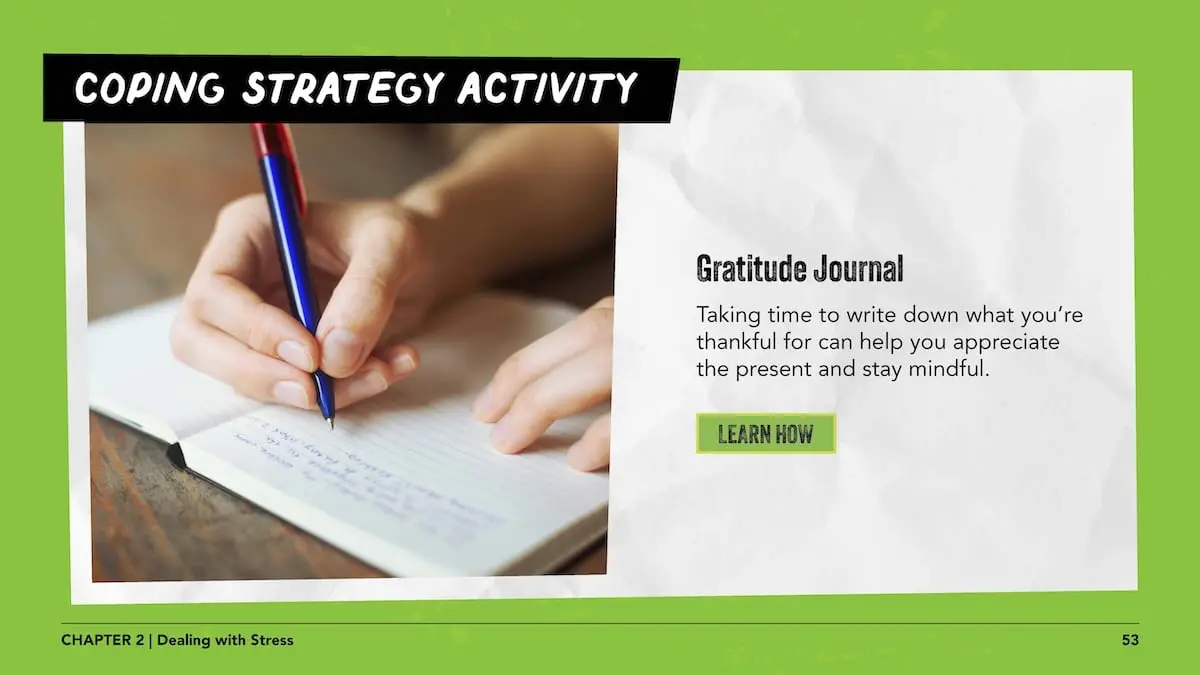
  • Coping strategy activity - Gratitude journal. Taking time to write down what you’re thankful for can help you appreciate the present and stay mindful.

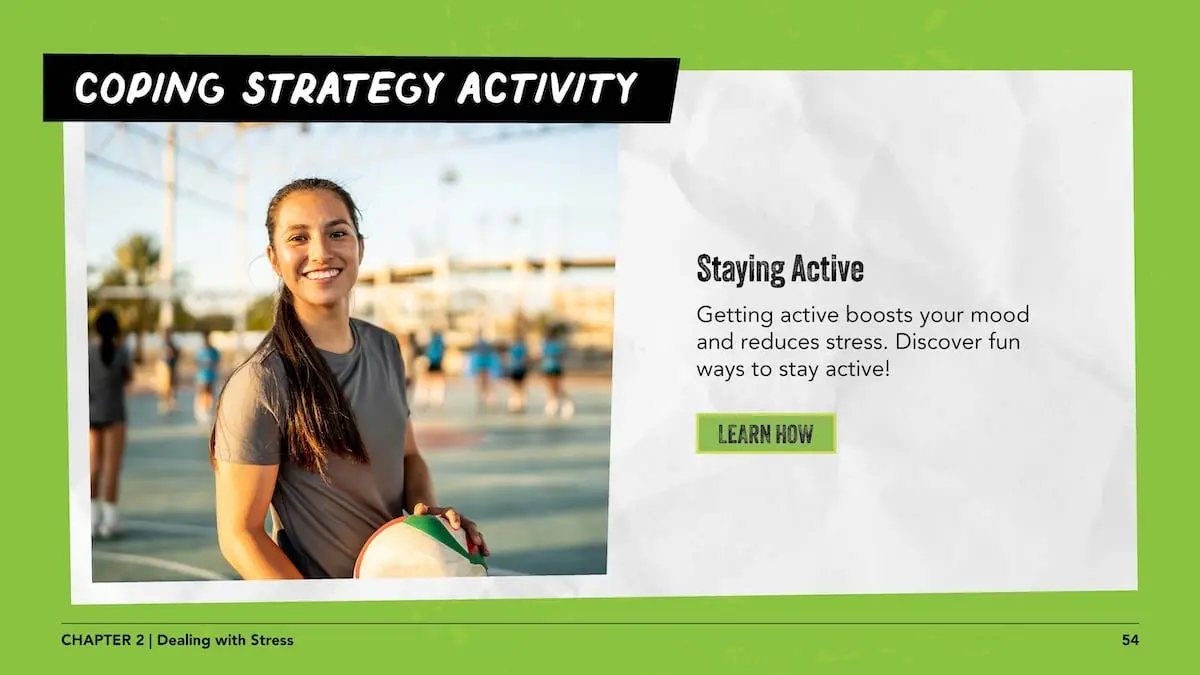
  • Coping strategy activity - Staying active. Getting active boosts your mood and reduces stress. Discover fun ways to stay active!

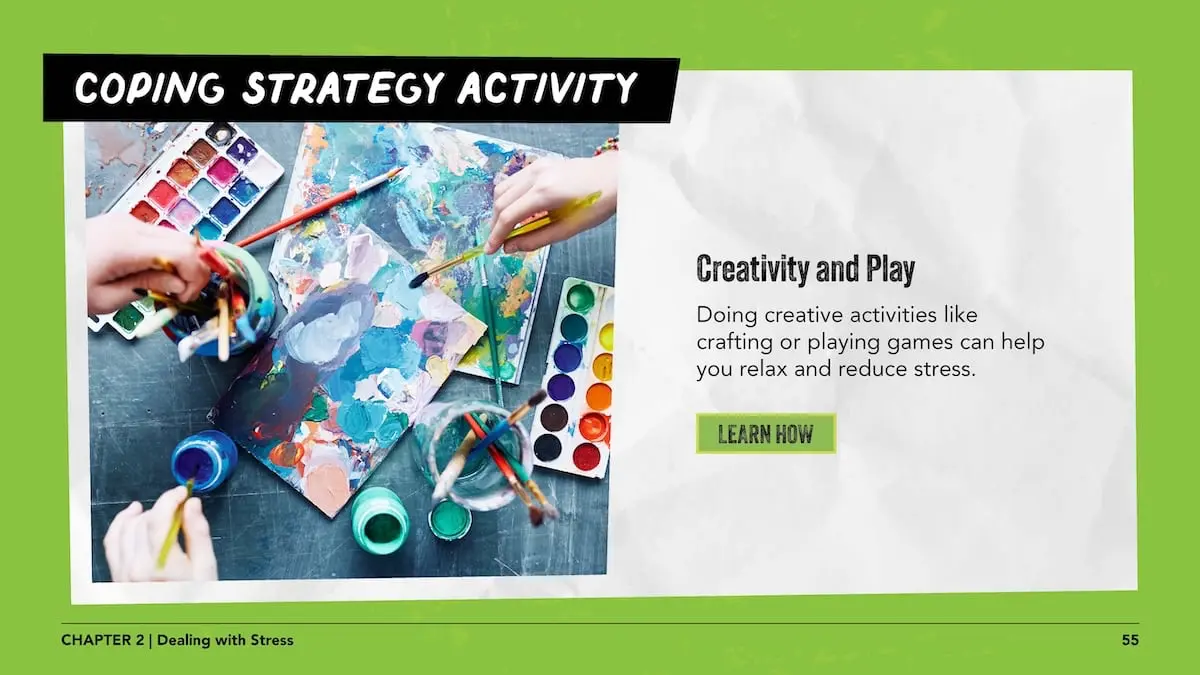
  • Coping strategy activity - Creativity and play. Doing creative activities like crafting or playing games can help you relax and reduce stress.

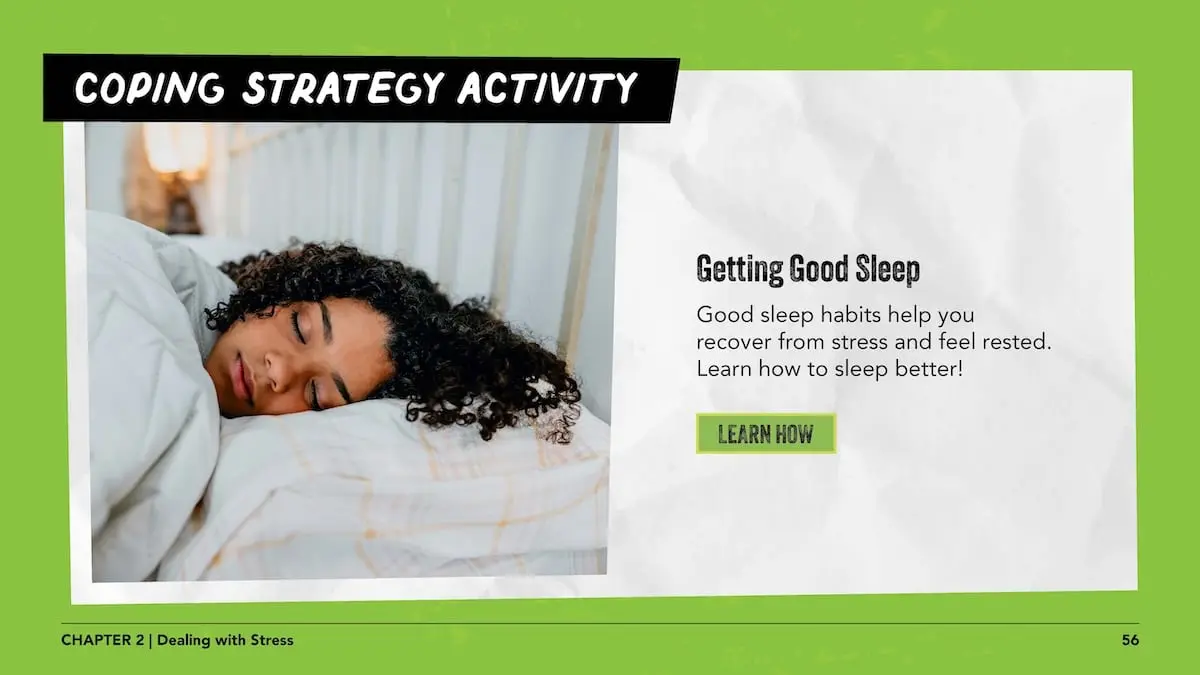
  • Coping strategy activity - Getting good sleep. Good sleep habits help you recover from stress and feel rested. Learn how to sleep better!

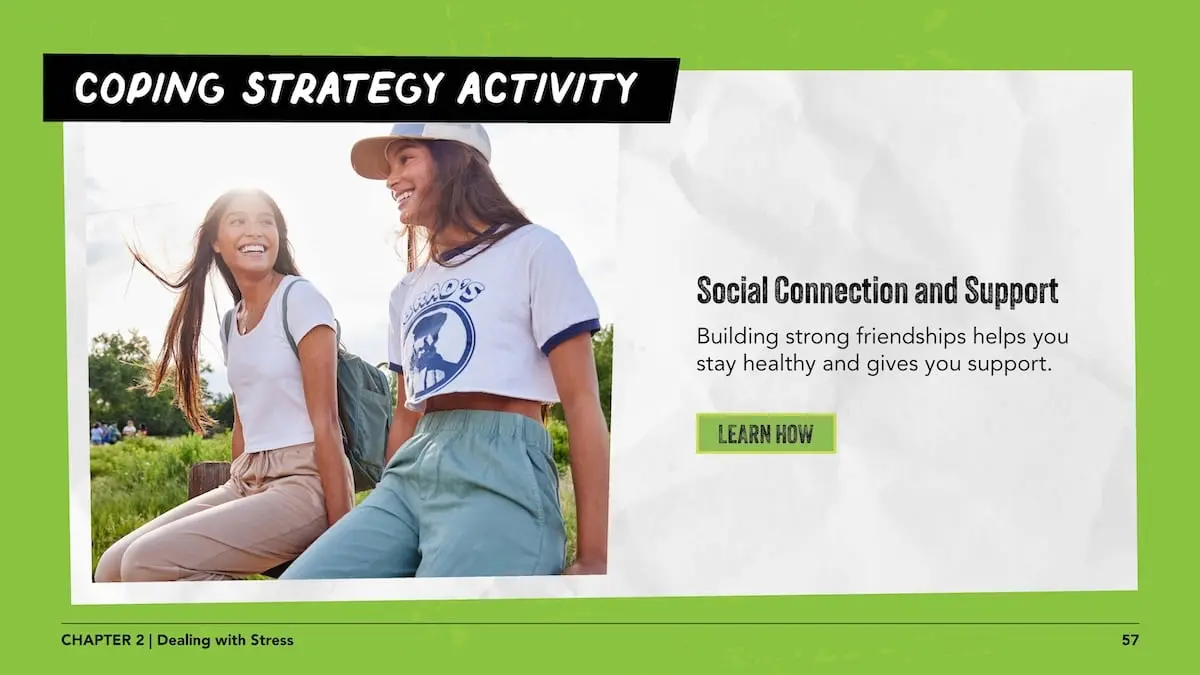
  • Coping strategy activity - Social connection and support. Building strong friendships helps you stay healthy and gives you support.

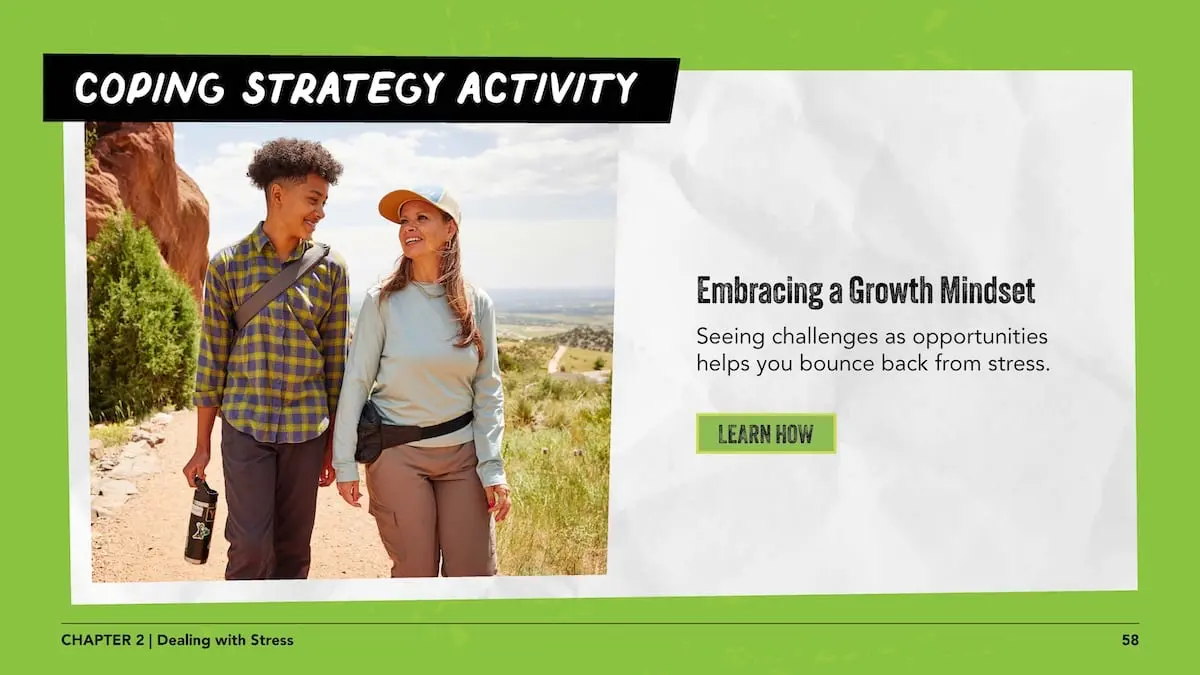
  • Coping strategy activity - Embracing a growth mindset. Seeing challenges as opportunities helps you bounce back from stress.

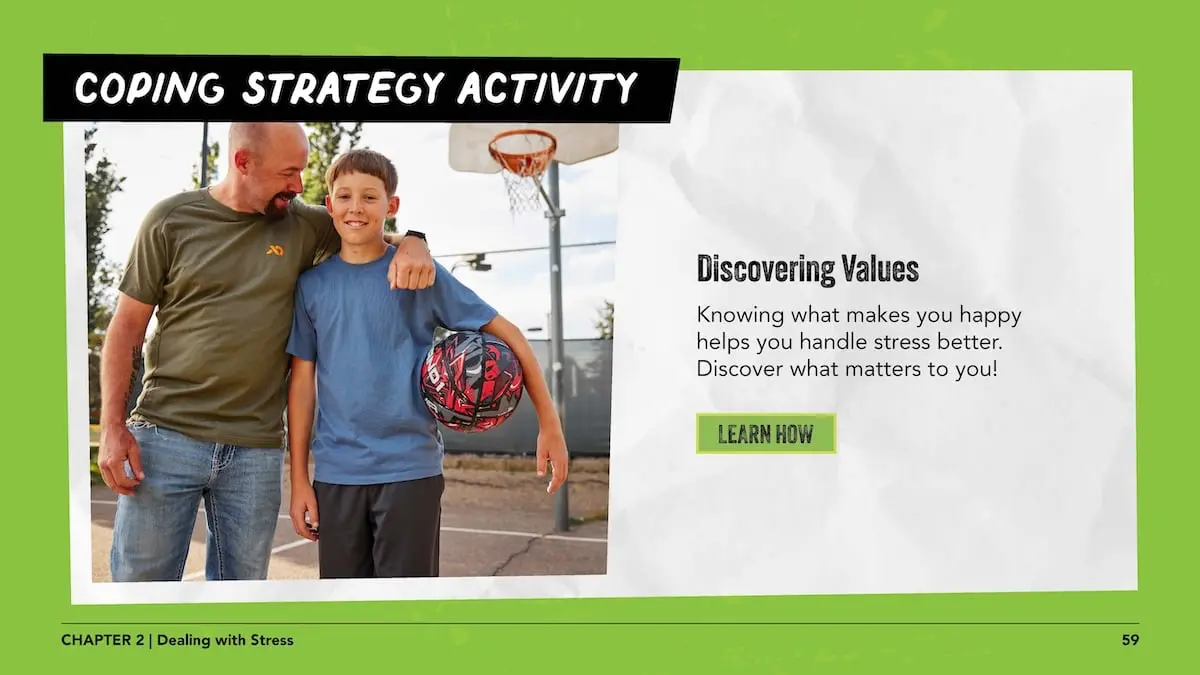
  • Coping strategy activity - Discovering values. Knowing what makes you happy helps you handle stress better. Discover what matters to you!
  • Congratulations!
    Youve taken an important step to educate yourself.
    Please take this quick & anonymous survey to reinforce your learnings & give us valuable feedback.
    Take Quiz

For any questions, please email info@teaonthc.org

If you wish to use, copy, distribute or otherwise utilize the contents of the site, please contact Morgan Chen at morgan@initiumhealth.org and/or Travis Leiker at travis.leiker@cuanschutz.edu.

© 2026 The Regents of the University of Colorado, a body corporate. All rights reserved. Powered by Colorado School of Public Health

crossmenu linkedin facebook pinterest youtube rss twitter instagram facebook-blank rss-blank linkedin-blank pinterest youtube twitter instagram