Self-study curriculum from the Colorado School
Public Health

Introduction to the Curriculum & General Info

Researchers at the Colorado School of Public Health spent months poring over thousands of published articles to create a self-study curriculum for The Tea on THC™. See how much you know about why young people are using high-concentration cannabis, how they're getting it, and what it may be doing to their mental and physical health.

Discover what cannabis is and understand the significant impacts on your physical and mental health, all backed by the latest scientific evidence. Dive in to gain a deeper understanding and prioritize your well-being.

By participating in this lesson, parents and other trusted adults will learn:

  • What cannabis is, including high-concentration products.

  • The impacts of cannabis use on young peoples physical and mental health.

  • Tips on guiding young people toward healthier choices.

  • Parents and Mentors: Lesson 1 - Cannabis & Youth: Health Impacts and Effective Conversations
  • Road Map: Welcome to a lesson on cannabis. Its impacts on health, and its use among youth. You will learn what cannabis is, including what high-concentration cannabis means.You will identify different types of cannabis products, including those with high concentrations.You will understand how cannabis use affects the physical and mental health of youth.You will explore statistics about how many young people use cannabis.You will learn how to talk to your child or a young person in your life about cannabis use.
  • Chapter 1: Understanding cannabis use among youth. Cannabis use among youth is significant, and it’s important for parents and adults with young people in their lives to understand the risks associated with its early use. When youth start using cannabis at a young age, it can negatively impact their physical, mental, and cognitive development. High-concentration cannabis products pose an even greater risk.

  • Current trends in youth cannabis use - In 2021, over one-fifth (22%) of individuals aged 12 and up reported using illicit drugs in a national survey, with cannabis accounting for 19% of that figure.Young adults (18–25) had thehighest rate of cannabis use at 35%.Younger teens (12–17) had a lower usage rate at 11%.About 60% of cannabis users began their use before turning 21, showing that starting to use cannabis at a young age is linked to long-term adult use. These statistics highlight how widespread cannabis use is among young people, underscoring the importance of having informed, open, and early conversations about its risks and effects.

  • Current trends in youth cannabis use - Local data can offer more information about cannabis use in your area. For example, the Healthy Kids Colorado Survey provides regional-level data about youth cannabis use. You can examine survey data for your region through an online dashboard. Explore the Colorado dashboard to get specific information about your community (https://cdphe.colorado.gov/healthy-kids-colorado-survey-dashboard).
  • Why it matters: As parents and trusted adults, being informed about the perceptions and risks of cannabis use can help you guide the children and youth in your lives through their formative years. Awareness and open conversations about the impacts of cannabis use are crucial in helping them make informed decisions.
  • Young people's views on cannabis: understanding risk perceptions - Young people’s attitudes toward cannabis significantly influence their likelihood of using it. These include how they perceive the risks associated with cannabis use and whether their family and friends use cannabis. Attitudes also vary by age, substance type, and usage frequency. Current trends in risk perception: Over the past decade, youth and adults have started perceiving cannabis use as less and less risky. This trend is partly due to the legalization of medical and recreational cannabis across various states. Among daily and weekly users, cannabis is perceived as less risky than alcohol, tobacco, and other illicit drugs.
  • Current trends in risk perception: As cannabis becomes more commonly used and legally accepted across the U.S., it’s crucial for young people to stay informed about the risks. Understanding the potential harms can help keep usage rates stable or even contribute to a decline. Educating your child or a child in your life about these risks ensures they are better prepared to make informed choices when deciding whether or not to use cannabis.
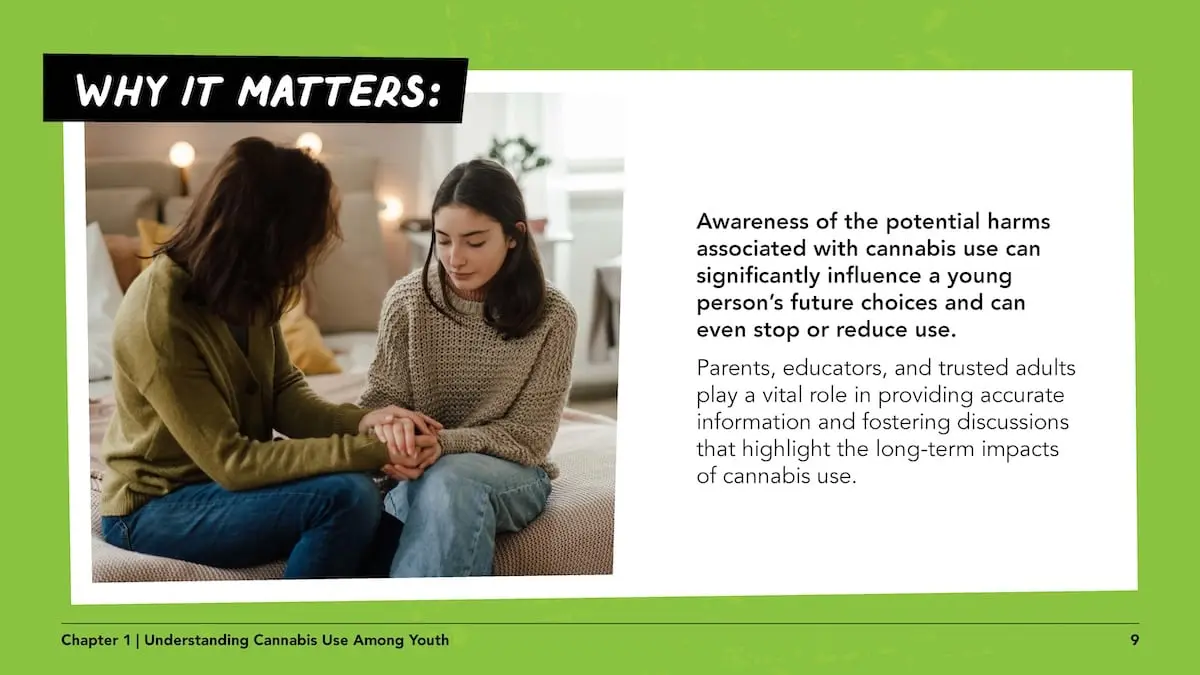
  • Why it matters: Awareness of the potential harms associated with cannabis use can significantly influence a young person’s future choices and can even stop or reduce use.Parents, educators, and trusted adults play a vital role in providing accurate information and fostering discussions that highlight the long-term impacts of cannabis use.
  • Chapter 2 - What is Cannabis? Understanding what scientific studies are currently saying about cannabis and its effects on youth will help you lead open conversations with young people in your life. Here, we provide a foundational understanding of cannabis.
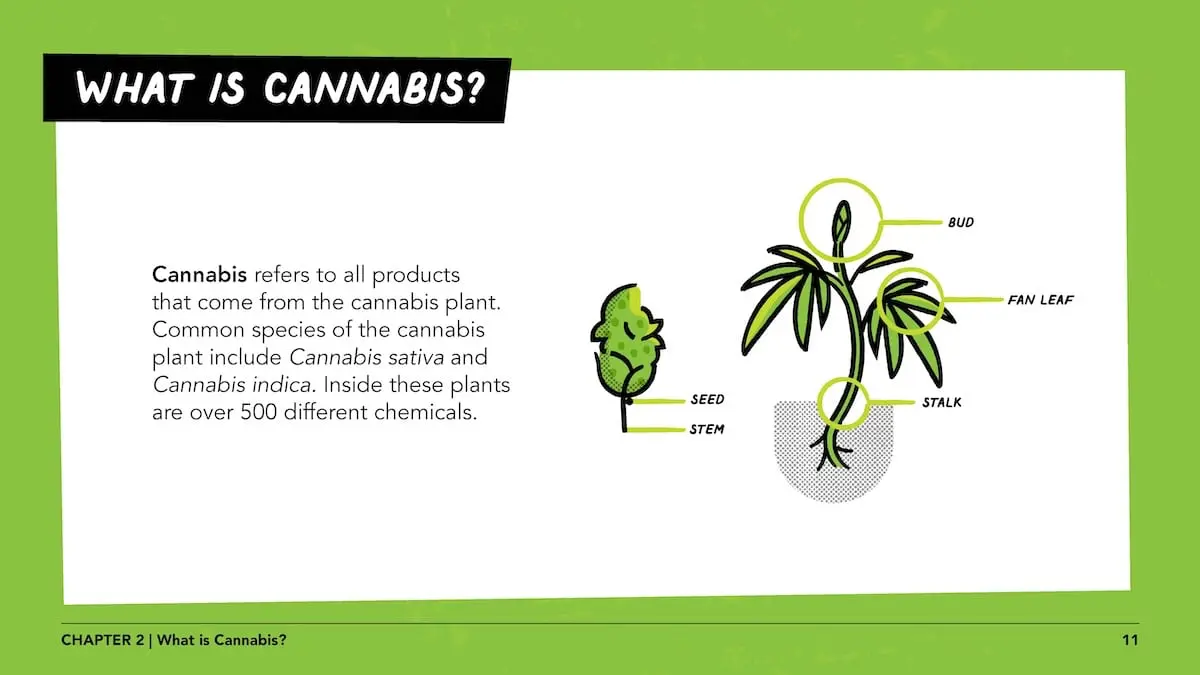
  • What is cannabis? Cannabis refers to all products that come from the cannabis plant. Common species of the cannabis plant include Cannabis sativa and Cannabis indica. Inside these plants are over 500 different chemicals.
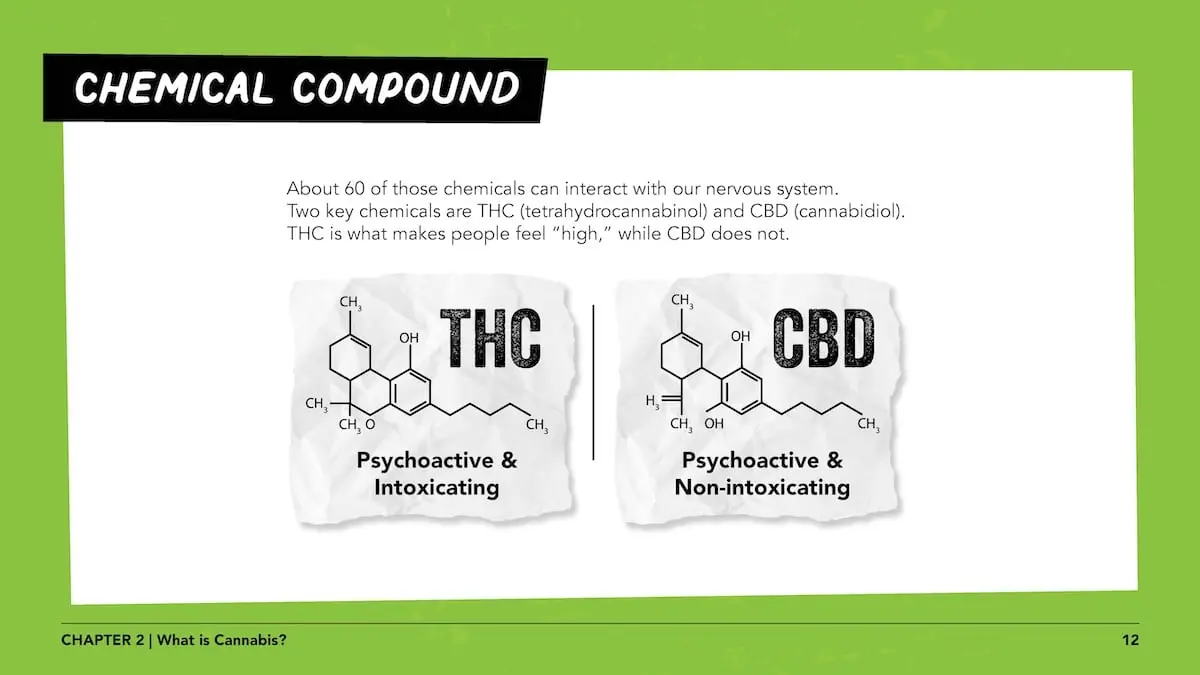
  • Chemical compound - About 60 of those chemicals can interact with our nervous system. Two key chemicals are THC (tetrahydrocannabinol) and CBD (cannabidiol). THC is what makes people feel “high,” while CBD does not.
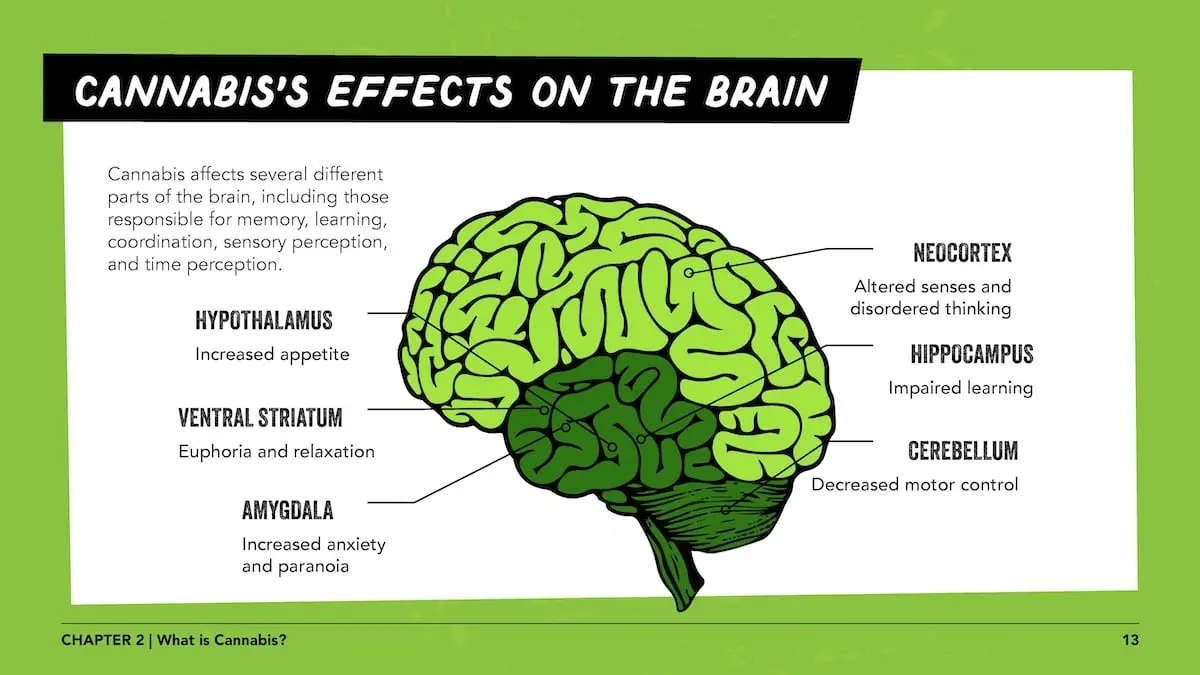
  • Cannabis's effects on the brain - Cannabis affects several different parts of the brain, including those responsible for memory, learning, coordination, sensory perception, and time perception. Hypothalamus - increased appetite, ventral striatum - euphoria and relaxation, amygdala - increased anxiety and paranoia, neocortex - altered senses and disordered thinking, hippocampus - impaired learning, cerebellum - decreased motor control.
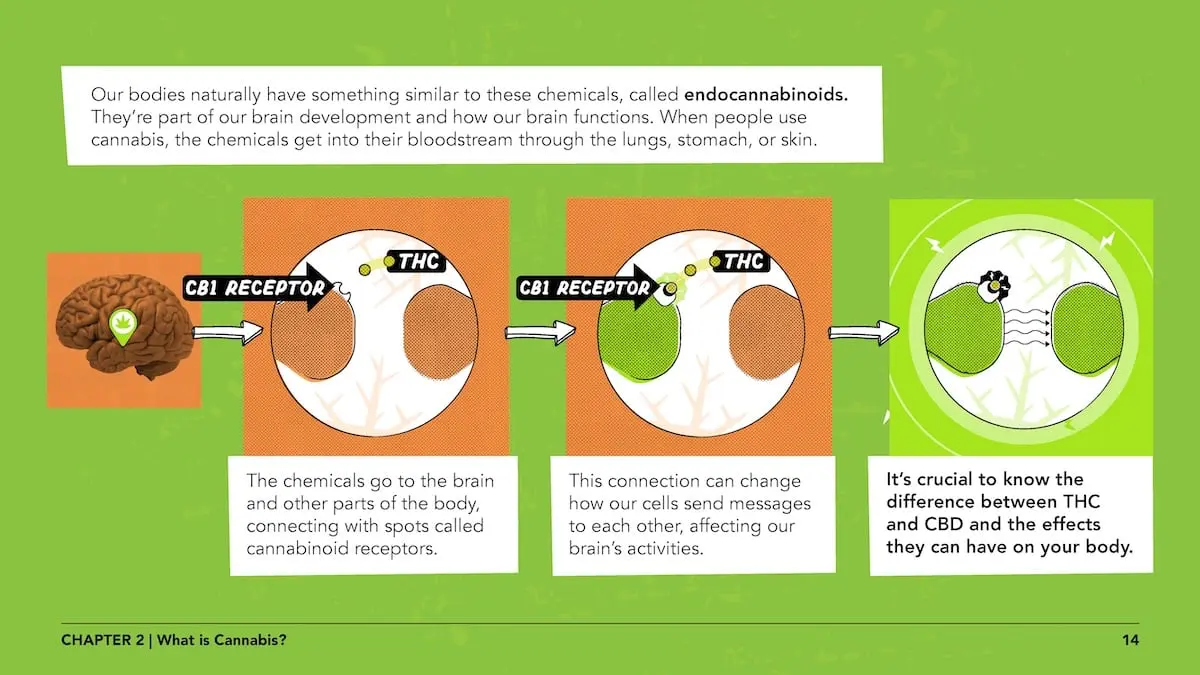
  • Our bodies naturally have something similar to these chemicals, called endocannabinoids. They’re part of our brain development and how our brain functions. When people use cannabis, the chemicals get into their bloodstream through the lungs, stomach, or skin. The chemicals go to the brain and other parts of the body, connecting with spots called cannabinoid receptors. This connection can change how our cells send messages to each other, affecting our brain’s activities. It’s crucial to know the difference between THC and CBD and the effects they can have on your body.
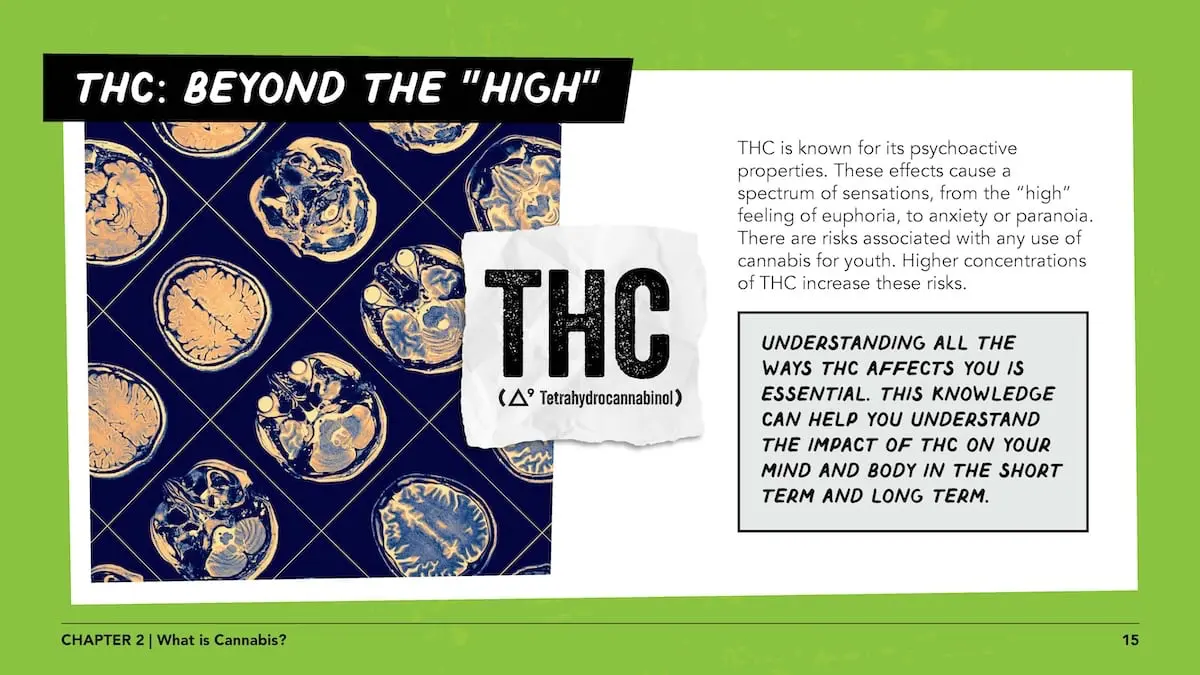
  • THC: Beyond the "high" - THC is known for its psychoactive properties. These effects cause a spectrum of sensations, from the “high” feeling of euphoria, to anxiety or paranoia. There are risks associated with any use of cannabis for youth. Higher concentrations of THC increase these risks. understanding all the ways THC affects you is essential. This knowledge can help you understand the impact of THC on your mind and body in the short term and long term.
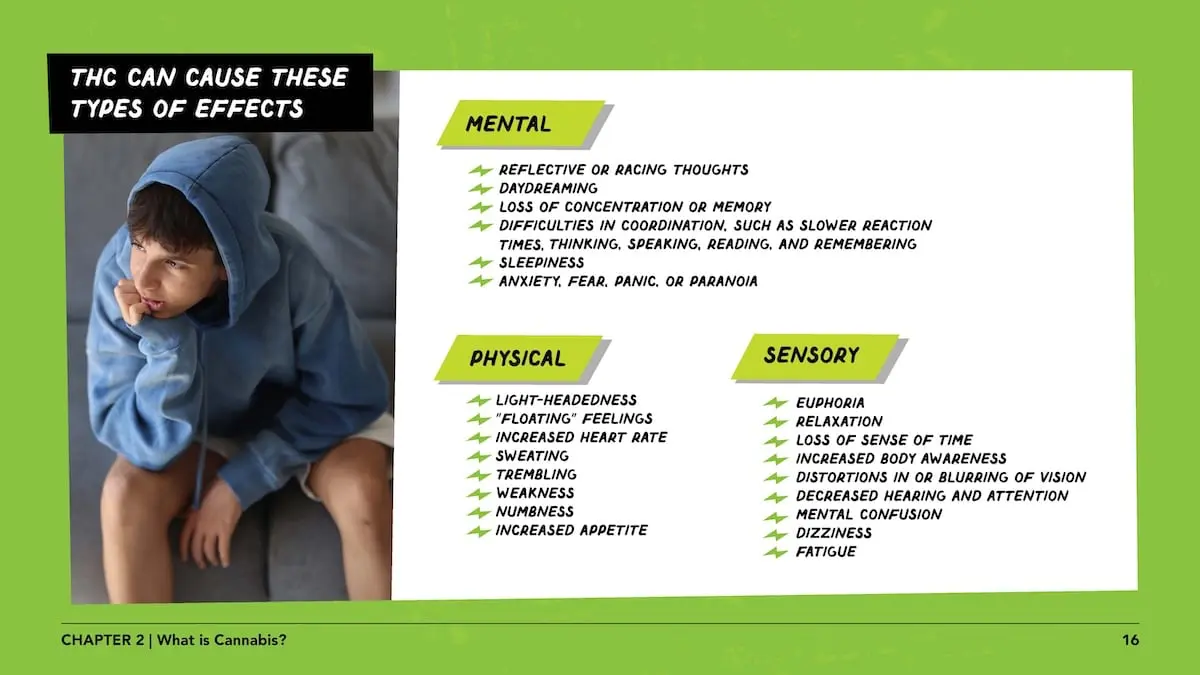
  • THC can cause these types of effects: mental - reflective or racing thoughts, daydreaming, loss of concentration or memory, difficulties in coordination. such as slower reaction times, thinking, speaking, reading, and remembering sleepiness, anxiety, fear, panic, or paranoia. Physical - light-headedness, "floating" feelings, increased heart rate, sweating, trembling, weakness, numbness, increased appetite. Sensory - euphoria, relaxation, loss of sense of time, increased body awareness, distortions in or blurring of vision, decreased hearing and attention, mental confusion, dizziness, fatigue
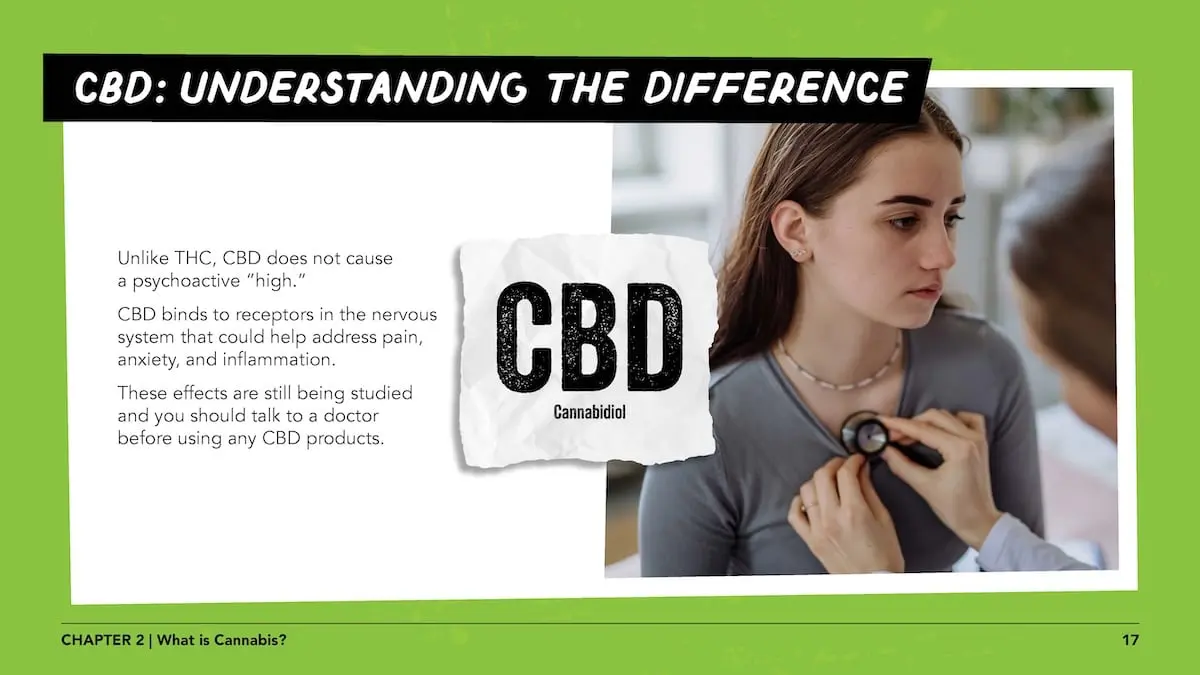
  • CBD: Understanding the difference - Unlike THC, CBD does not cause a psychoactive “high.”CBD binds to receptors in the nervous system that could help address pain, anxiety, and inflammation. These effects are still being studied and you should talk to a doctor before using any CBD products.
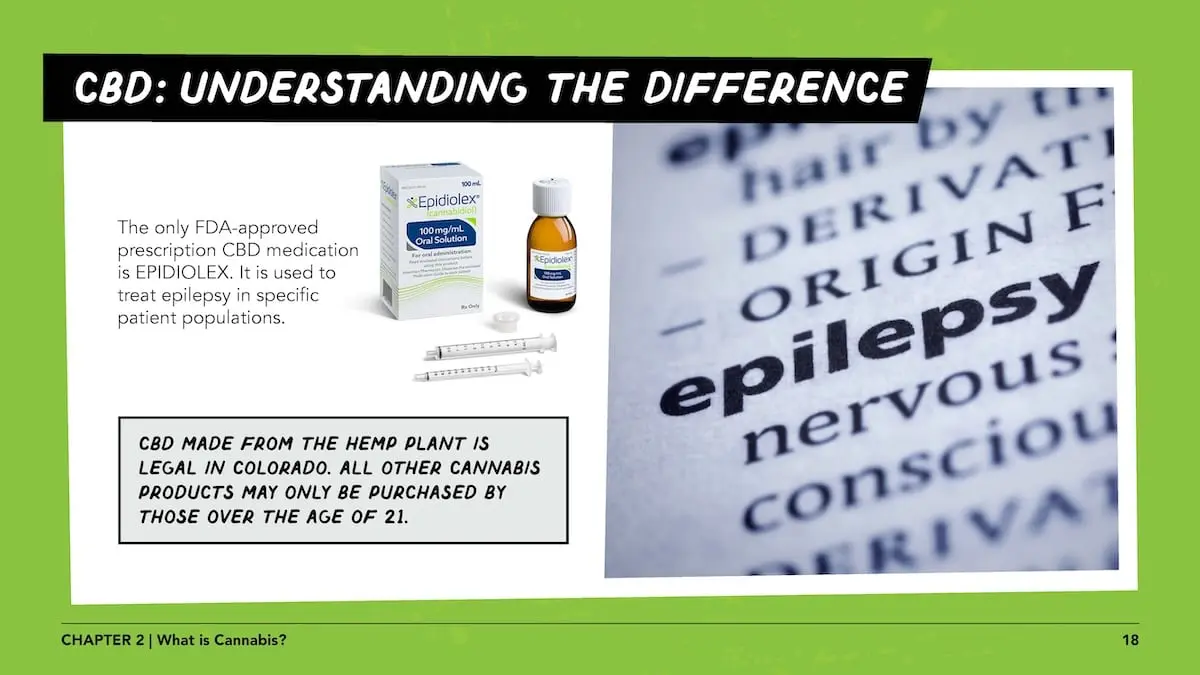
  • CBD: Understanding the difference - The only FDA-approved prescription CBD medication is EPIDIOLEX. It is used to treat epilepsy in specific patient populations. CBD made from the hemp plant is legal in Colorado. All other products may only be purchased by those over the age of 21.
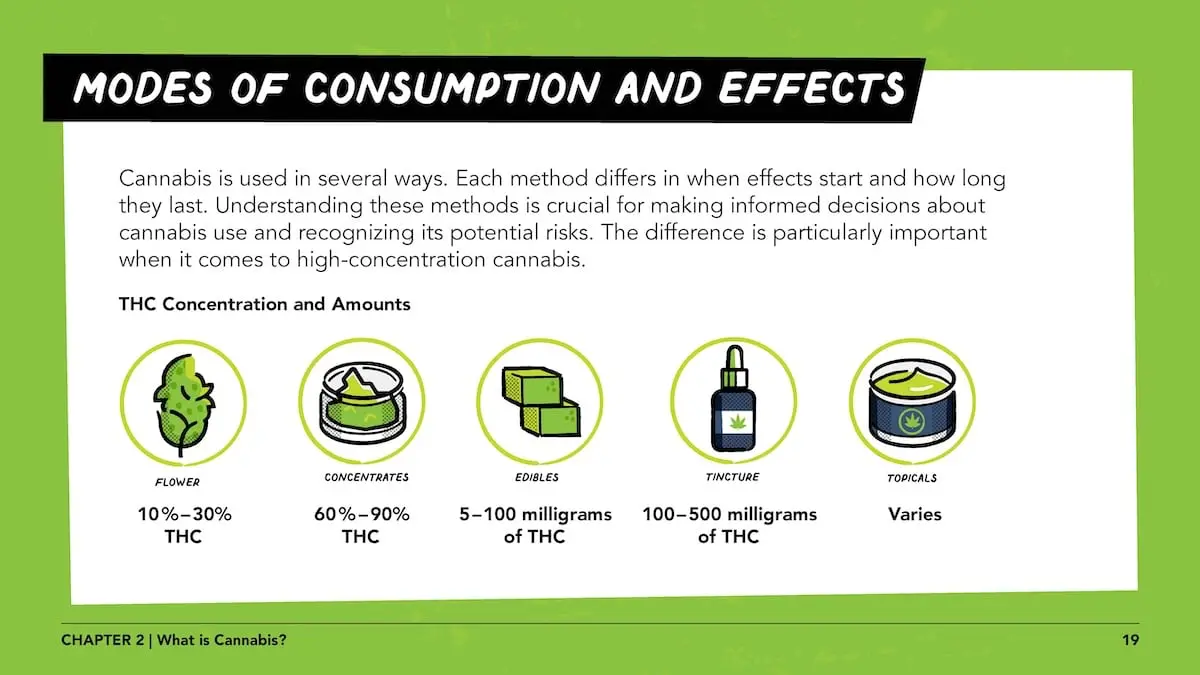
  • Modes of consumption and effects - Cannabis is used in several ways. Each method differs in when effects start and how long they last. Understanding these methods is crucial for making informed decisions about cannabis use and recognizing its potential risks. The difference is particularly important when it comes to high-concentration cannabis. THC Concentration and Amounts - flower: 10%-30% THC, concentrates: 60%-90% THC, edibles: 5-100 milligrams of THC, tincture: 100-500 milligrams of THC, topicals: varies
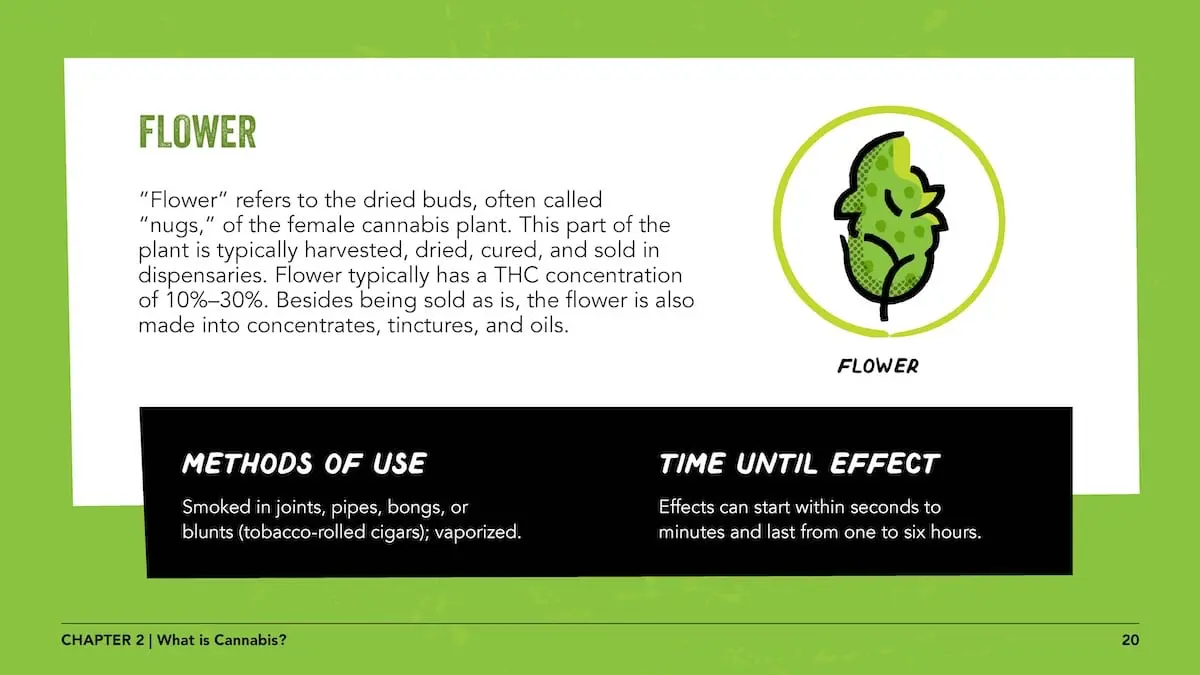
  • Flower: “Flower” refers to the dried buds, often called “nugs,” of the female cannabis plant. This part of the plant is typically harvested, dried, cured, and sold in dispensaries. Flower typically has a THC concentration of 10%–30%. Besides being sold as is, the flower is also made into concentrates, tinctures, and oils. Methods of use: smoked in joints, pipes, bongs, or blunts (tobacco-roleld cigars); vaporized. Time until effect: effects can start within seconds to minutes and last from one to six hours
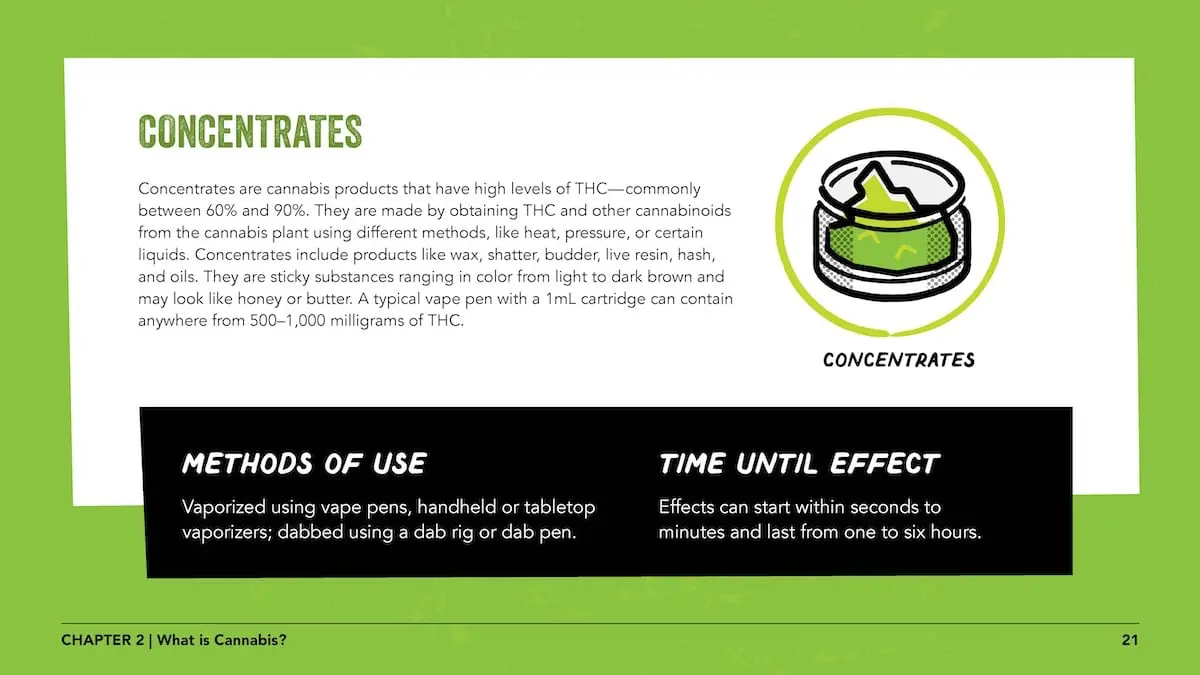
  • Concentrates: Concentrates are cannabis products that have high levels of THC—commonly between 60% and 90%. They are made by obtaining THC and other cannabinoids from the cannabis plant using different methods, like heat, pressure, or certain liquids. Concentrates include products like wax, shatter, budder, live resin, hash, and oils. They are sticky substances ranging in color from light to dark brown and may look like honey or butter. A typical vape pen with a 1mL cartridge can contain anywhere from 500–1,000 milligrams of THC. Methods of use: vaporized using vape pens, handheld or tabletop vaporizers; dabbed using a dab rig or dab pen. Time until effect: effects can start within seconds to minutes and last from one to six hours.
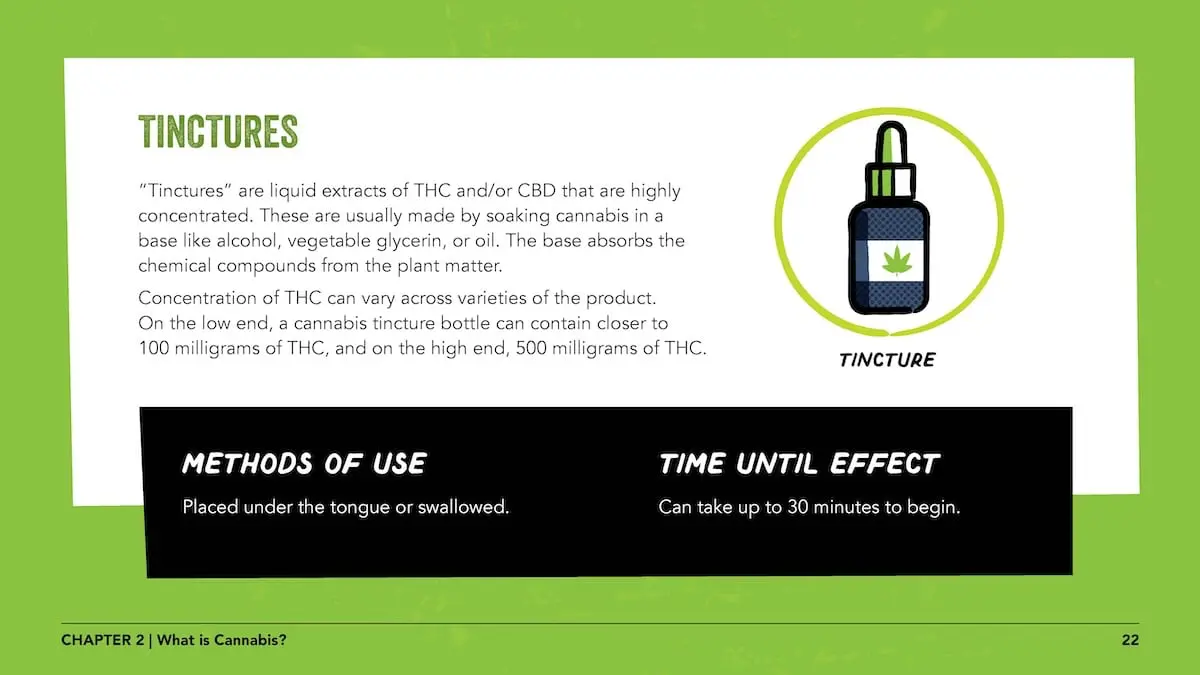
  • Tinctures: “Tinctures” are liquid extracts of THC and/or CBD that are highly concentrated. These are usually made by soaking cannabis in a base like alcohol, vegetable glycerin, or oil. The base absorbs the chemical compounds from the plant matter. Concentration of THC can vary across varieties of the product. On the low end, a cannabis tincture bottle can contain closer to 100 milligrams of THC, and on the high end, 500 milligrams of THC. Methods of use: placed under the tongue or swallowed. Time until effect: can take up to 30 minutes to begin.
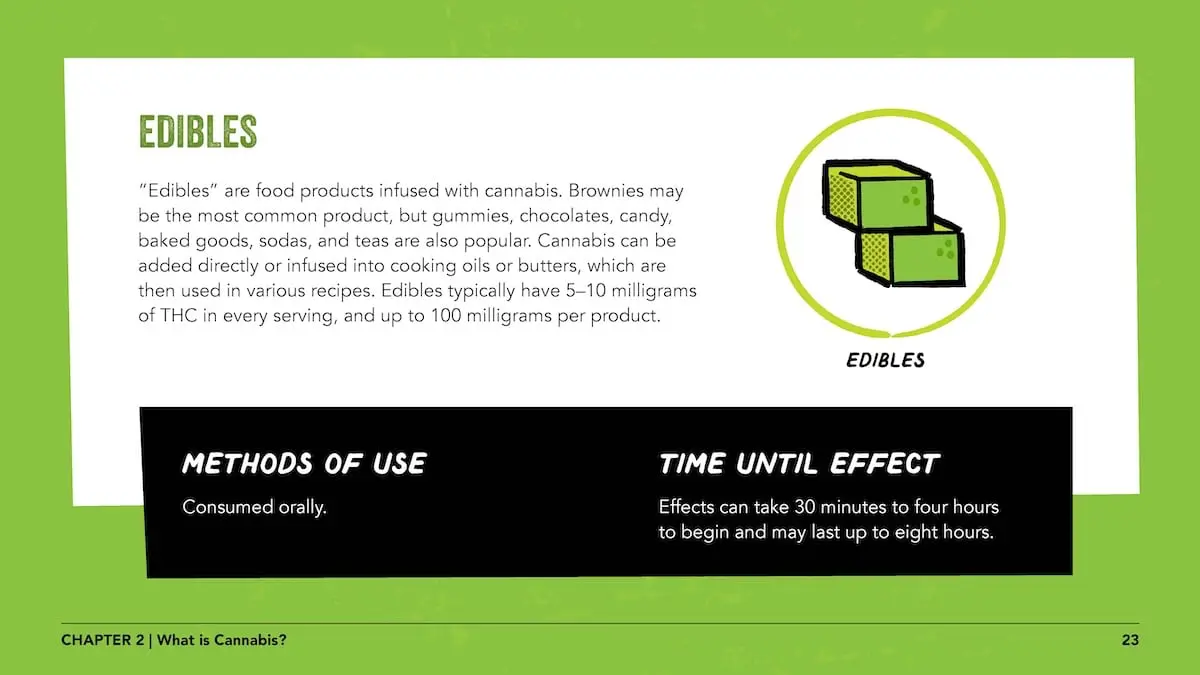
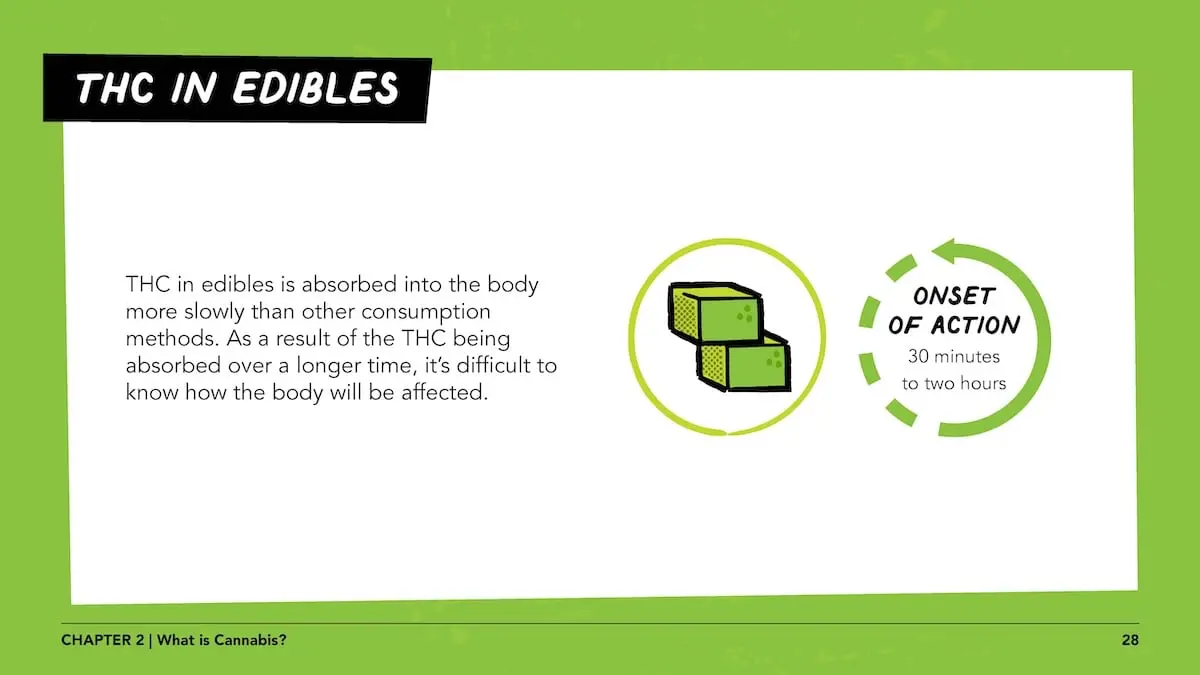
  • Edibles: “Edibles” are food products infused with cannabis. Brownies may be the most common product, but gummies, chocolates, candy, baked goods, sodas, and teas are also popular. Cannabis can be added directly or infused into cooking oils or butters, which are then used in various recipes. Edibles typically have 5–10 milligrams of THC in every serving, and up to 100 milligrams per product. Methods of use: consumed orally. Time until effect: effects can take 30 minutes to four hours to begin and may last up to eight hours.
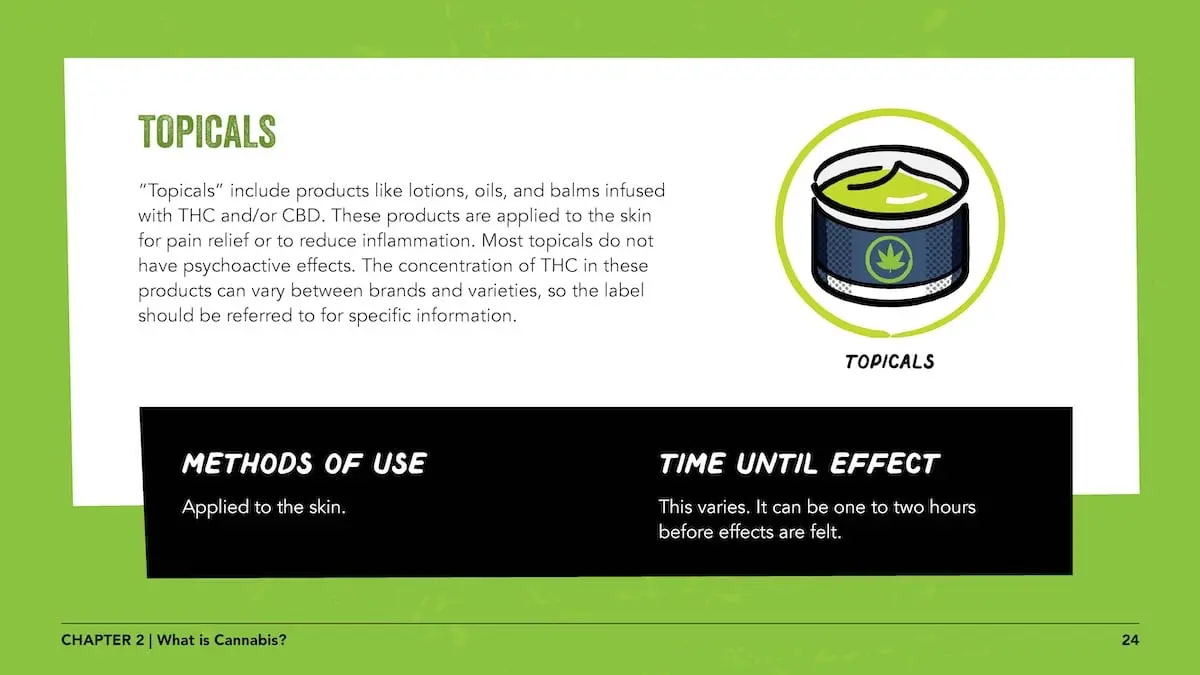
  • Topicals: “Topicals” include products like lotions, oils, and balms infused with THC and/or CBD. These products are applied to the skin for pain relief or to reduce inflammation. Most topicals do not have psychoactive effects. The concentration of THC in these products can vary between brands and varieties, so the label should be referred to for specific information. Methods of use: applied to the skin. Time until effect: this varies. It can be one to two hours before effects are felt.
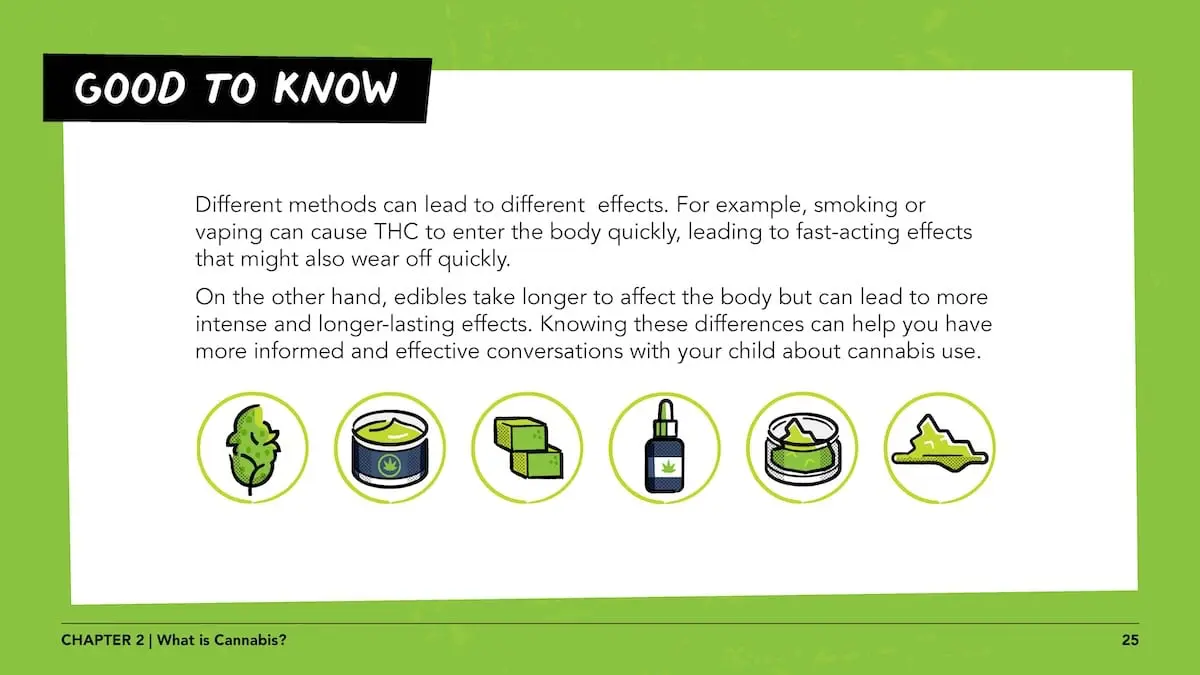
  • Good to know: Different methods can lead to different effects. For example, smoking or vaping can cause THC to enter the body quickly, leading to fast-acting effects that might also wear off quickly.On the other hand, edibles take longer to affect the body but can lead to more intense and longer-lasting effects. Knowing these differences can help you have more informed and effective conversations with your child about cannabis use.
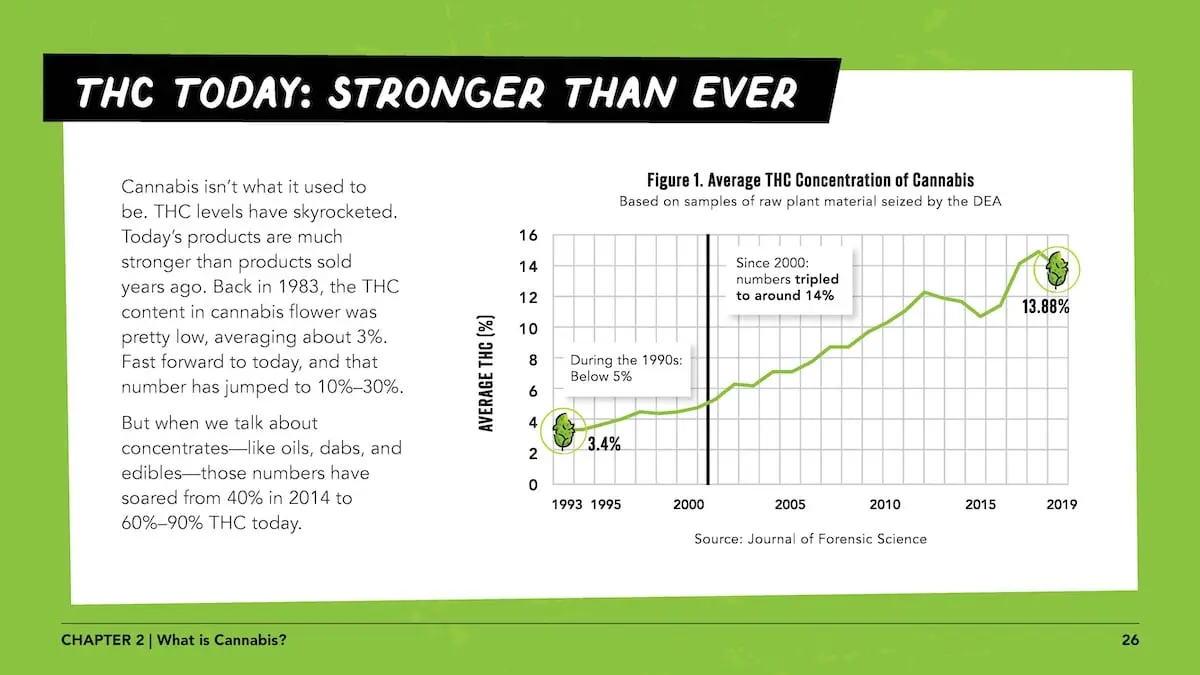
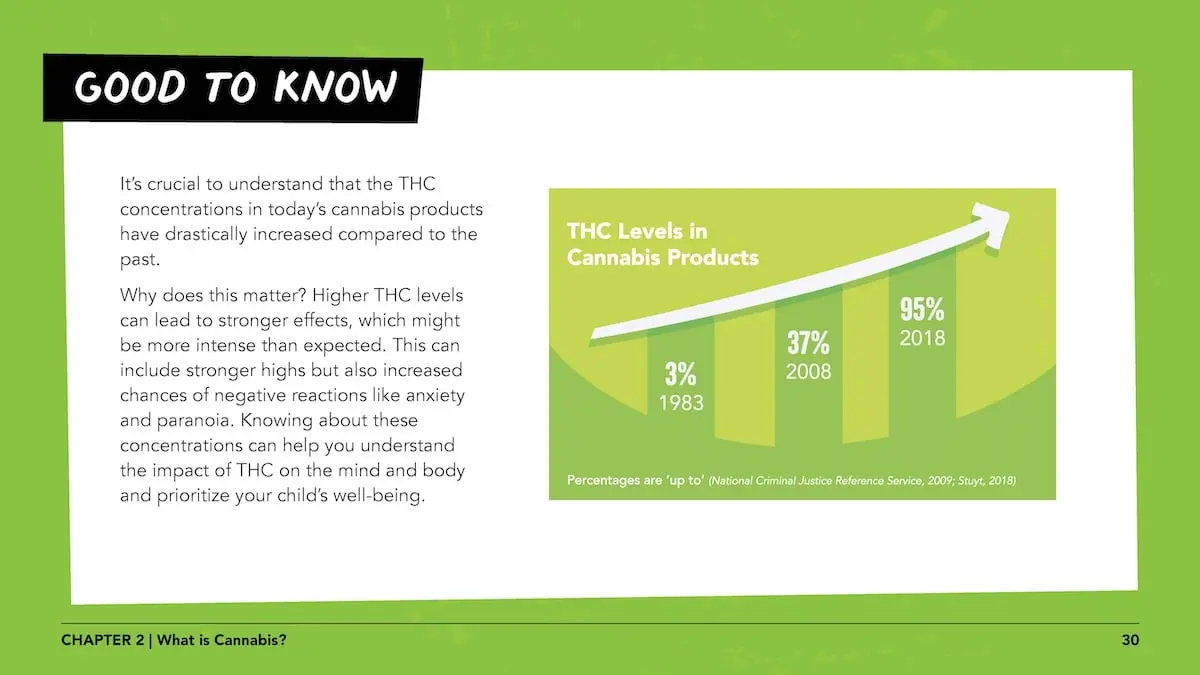
  • THC Today: Stronger Than Ever - Cannabis isn’t what it used to be. THC levels have skyrocketed. Today’s products are much stronger than products sold years ago. Back in 1983, the THC content in cannabis flower was pretty low, averaging about 3%. Fast forward to today, and that number has jumped to 10%–30%. But when we talk about concentrates—like oils, dabs, and edibles—those numbers have soared from 40% in 2014 to 60%–90% THC today.
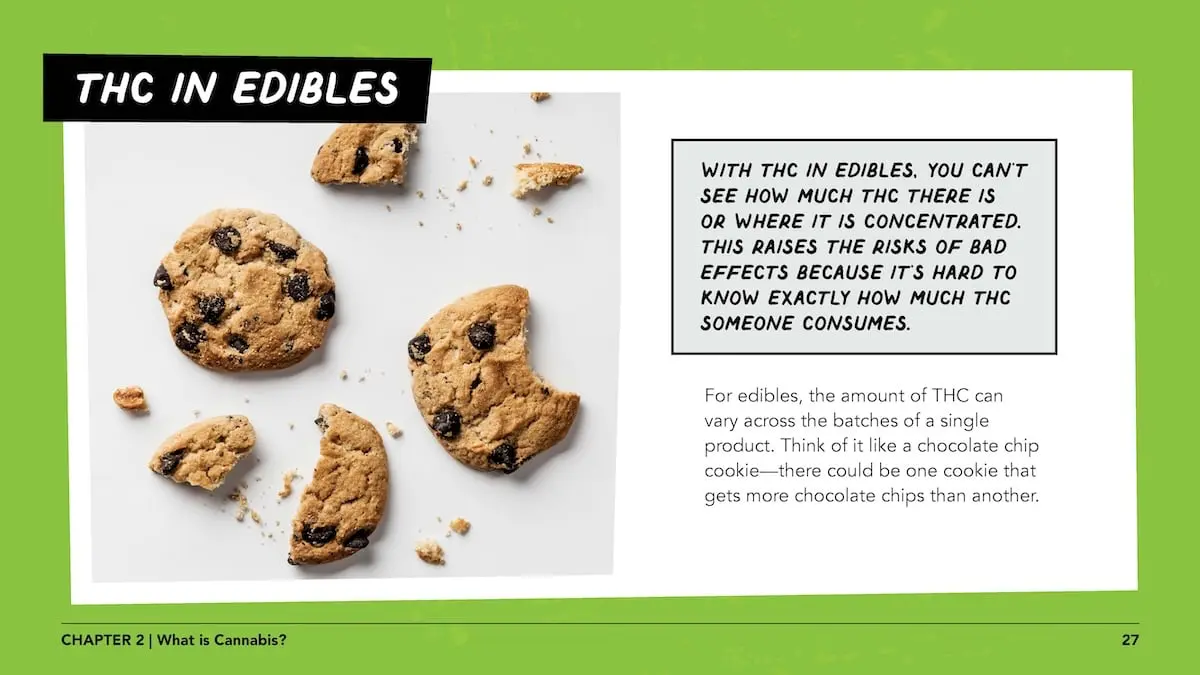
  • THC in edibles: With THC in edibles, you can't see how much THC there is or where it is concentrated. This raises the risks of bad effects because it's hard to know exactly how much THC someone consumes.
  • THC in edibles: THC in edibles is absorbed into the body more slowly than other consumption methods. As a result of the THC being absorbed over a longer time, it’s difficult to know how the body will be affected.
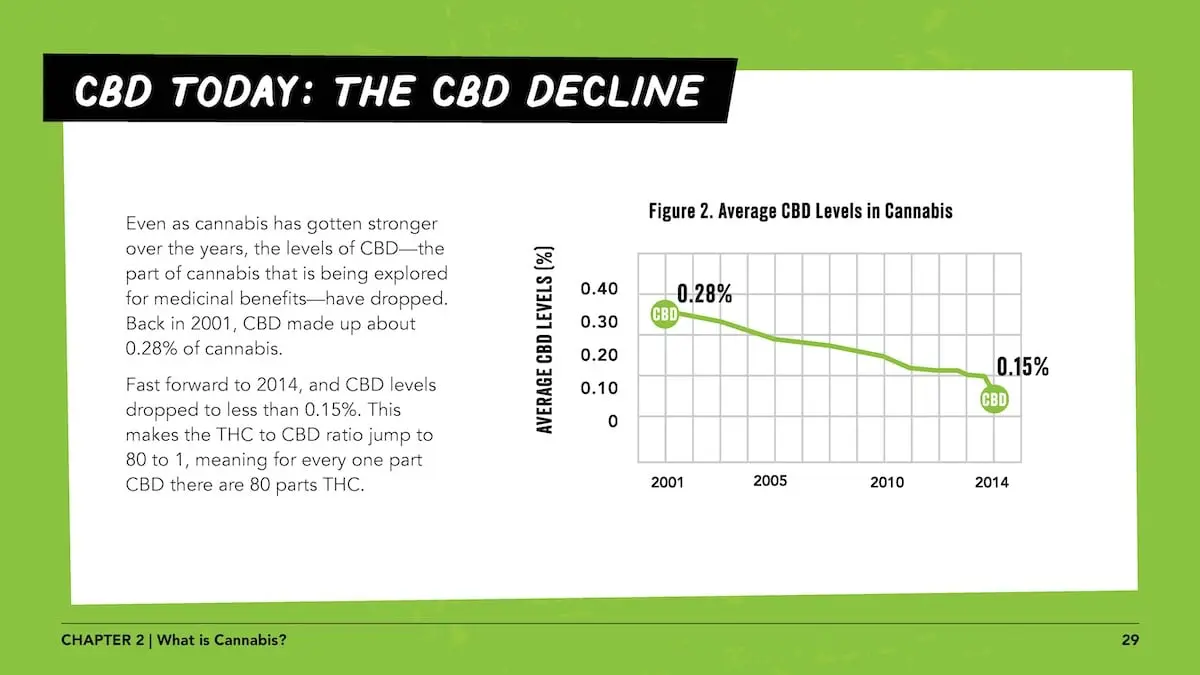
  • CBD Today: The CBD Decline - Even as cannabis has gotten stronger over the years, the levels of CBD—the part of cannabis that is being explored for medicinal benefits—have dropped. Back in 2001, CBD made up about 0.28% of cannabis. Fast forward to 2014, and CBD levels dropped to less than 0.15%. This makes the THC to CBD ratio jump to 80 to 1, meaning for every one part CBD there are 80 parts THC.
  • Good to know - It’s crucial to understand that the THC concentrations in today’s cannabis products have drastically increased compared to the past. Why does this matter? Higher THC levels can lead to stronger effects, which might be more intense than expected. This can include stronger highs but also increased chances of negative reactions like anxiety and paranoia. Knowing about these concentrations can help you understand the impact of THC on the mind and body and prioritize your child’s well-being.
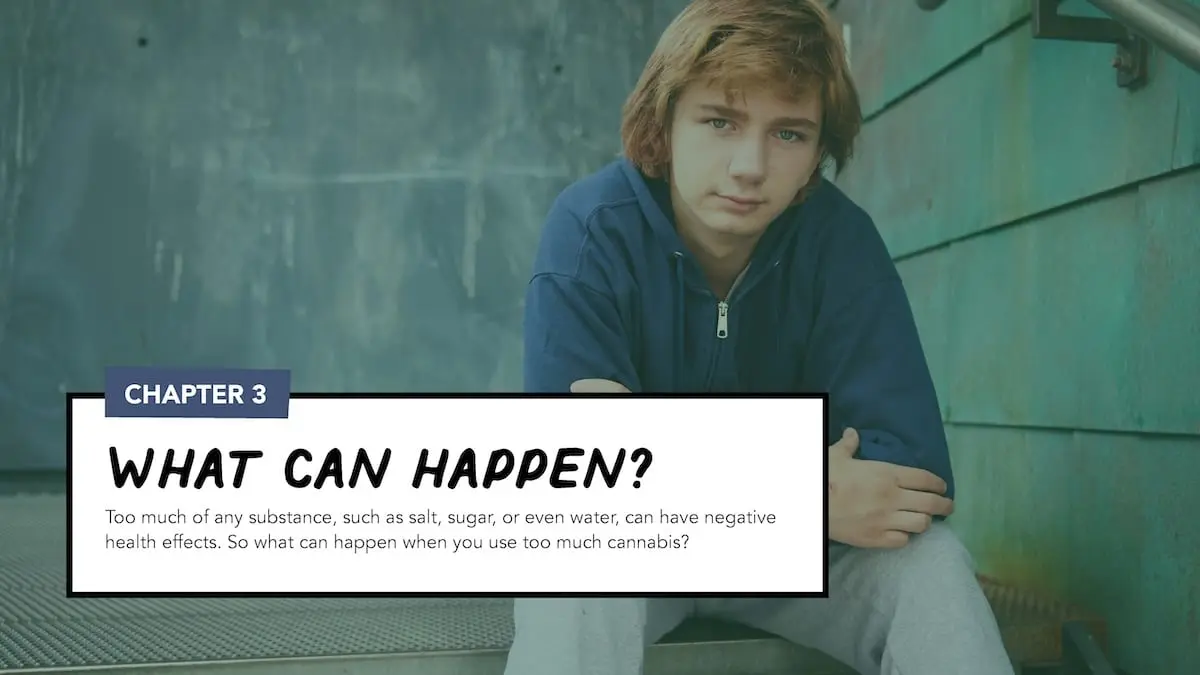
  • Chapter 3 - What can happen? Too much of any substance, such as salt, sugar, or even water, can have negative health effects. So what can happen when you use too much cannabis?
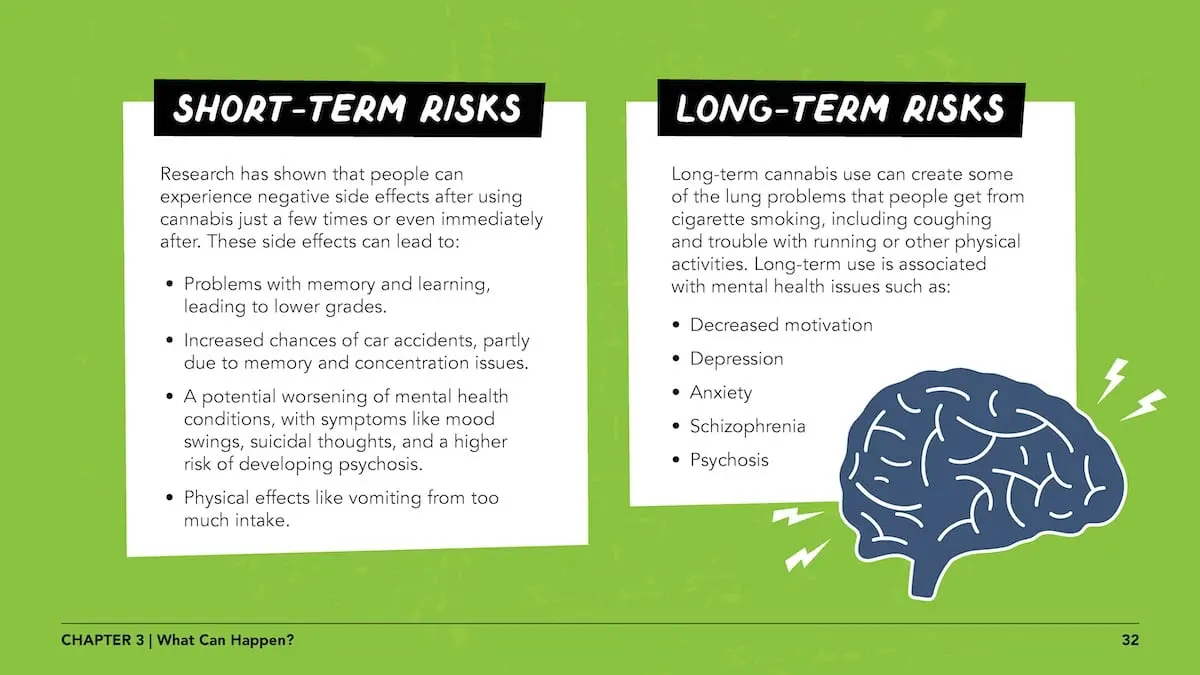
  • Short-term risks: Research has shown that people can experience negative side effects after using cannabis just a few times or even immediately after. These side effects can lead to: •Problems with memory and learning, leading to lower grades. •Increased chances of car accidents, partly due to memory and concentration issues. •A potential worsening of mental health conditions, with symptoms like mood swings, suicidal thoughts, and a higher risk of developing psychosis. •Physical effects like vomiting from too much intake. Long-term risks: Long-term cannabis use can create some of the lung problems that people get from cigarette smoking, including coughing and trouble with running or other physical activities. Long-term use is associated with mental health issues such as: •Decreased motivation •Depression •Anxiety •Schizophrenia •Psychosis
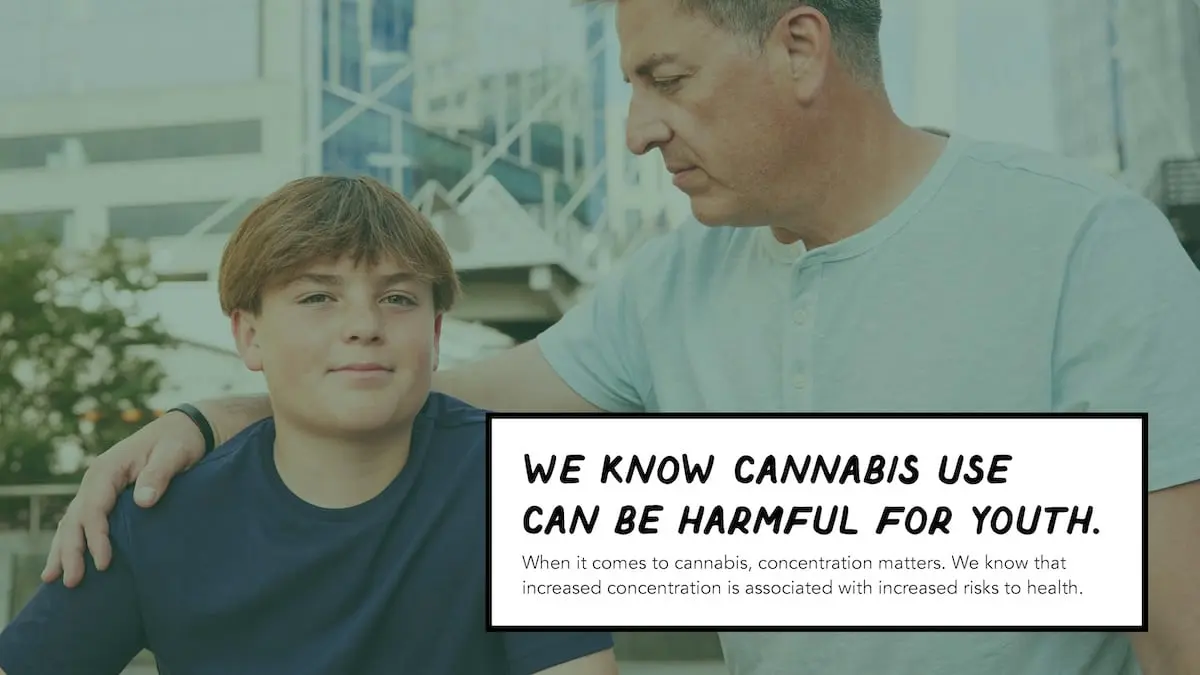
  • We know cannabis use can be harmful for youth. When it comes to cannabis, concentration matters. We know that increased concentration is associated with increased risks to health.

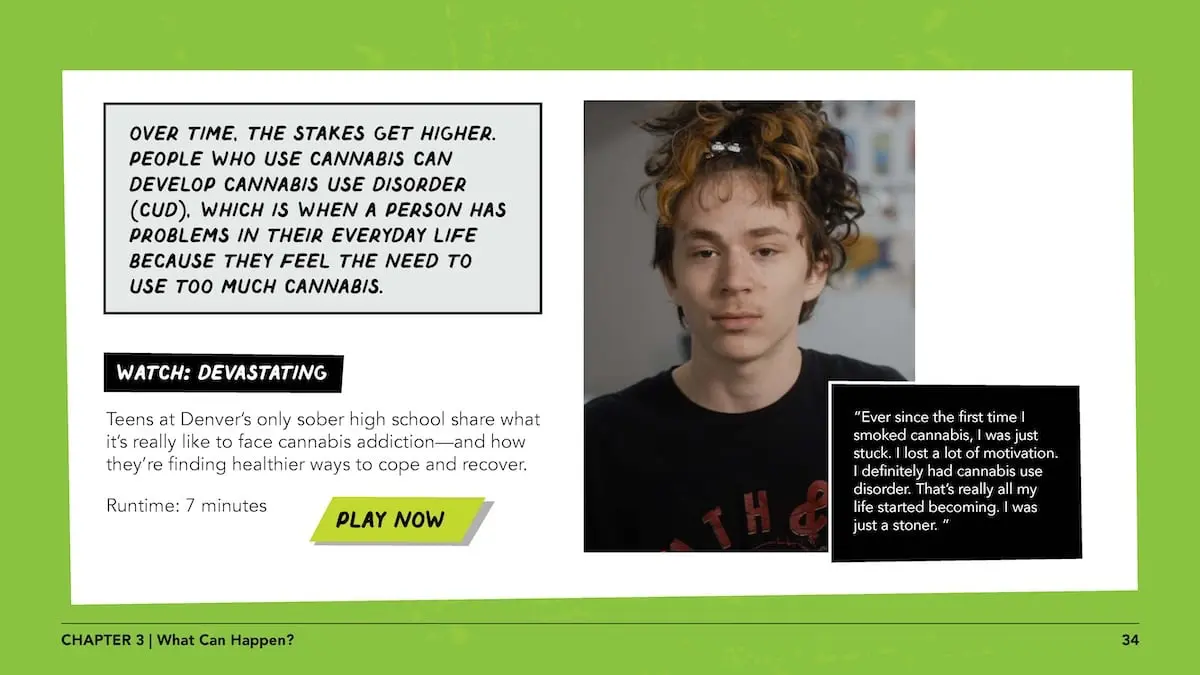
  • Over time, the stakes get higher. People who use cannabis can develop cannabis use disorder (CUD). Which is when a person has problems in their everyday life because they feel the need to use too much cannabis. Teens at Denver’s only sober high school share what it’s really like to face cannabis addiction—and how they’re finding healthier ways to cope and recover (https://www.youtube.com/watch?v=_TlZ4fvpcVA)
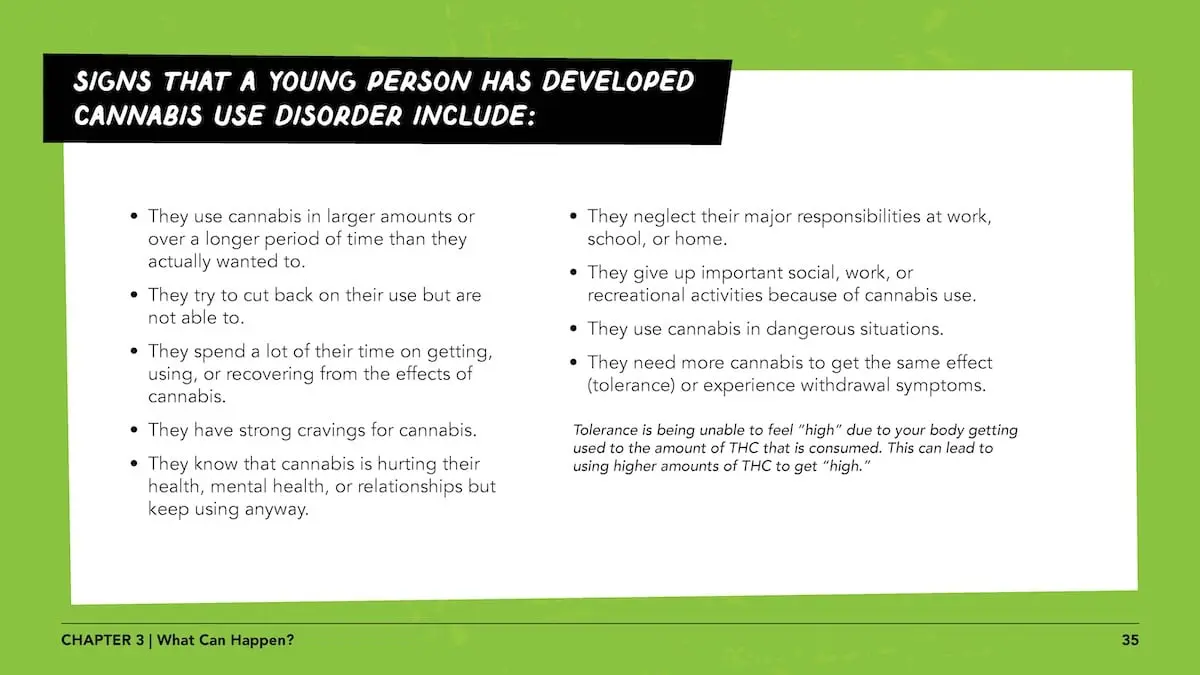
  • Signs that a young person has developed cannabis use disorder include: •They use cannabis in larger amounts or over a longer period of time than they actually wanted to. •They try to cut back on their use but are not able to. •They spend a lot of their time on getting, using, or recovering from the effects of cannabis. •They have strong cravings for cannabis. •They know that cannabis is hurting their health, mental health, or relationships but keep using anyway. •They neglect their major responsibilities at work, school, or home. •They give up important social, work, or recreational activities because of cannabis use. •They use cannabis in dangerous situations. •They need more cannabis to get the same effect (tolerance) or experience withdrawal symptoms.
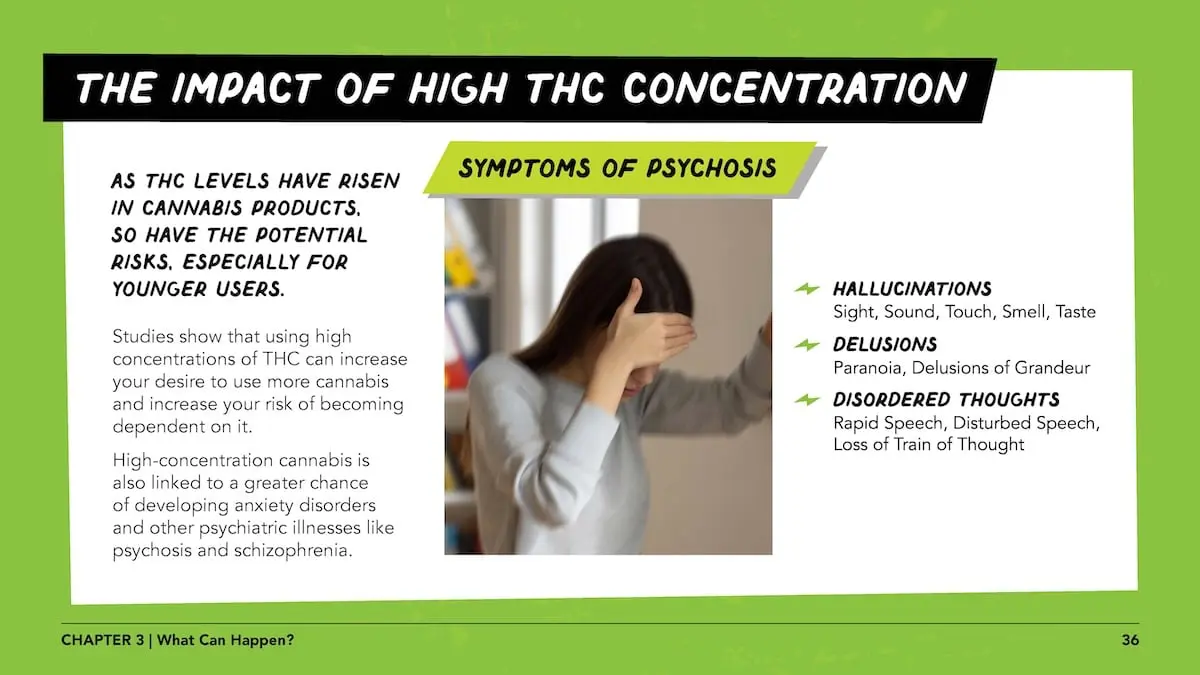
  • The impact of high THC concentration: as THC levels have risen in cannabis products, so have the potential risks, especially for younger users. Studies show that using high concentrations of THC can increase your desire to use more cannabis and increase your risk of becoming dependent on it. High-concentration cannabis is also linked to a greater chance of developing anxiety disorders and other psychiatric illnesses like psychosis and schizophrenia. Symptoms of psychosis: hallucinations - sight, sound, touch, smell, taste; delusions - paranoia, delusions of grandeur; disordered thoughts - rapid speech, disturbed speech, loss of train of thought
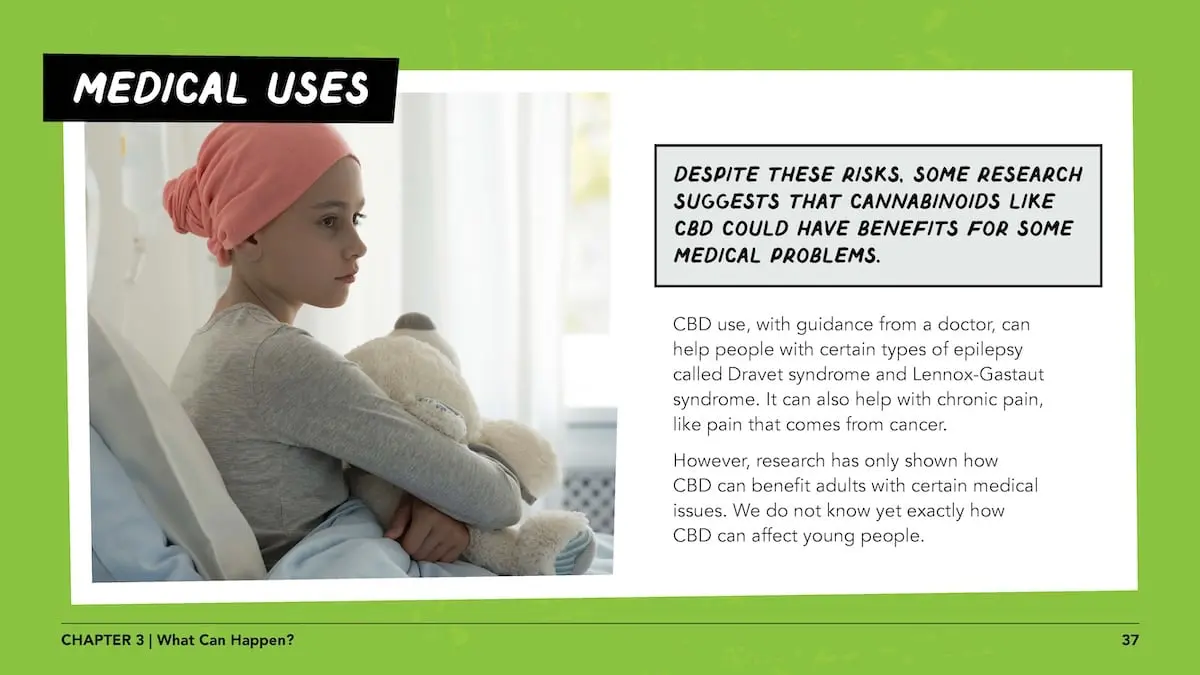
  • Medical uses: despite these risks, some research suggests that cannabinoids like CBD could have benefits for some medical problems. CBD use, with guidance from a doctor, can help people with certain types of epilepsy called Dravet syndrome and Lennox-Gastaut syndrome. It can also help with chronic pain, like pain that comes from cancer. However, research has only shown how CBD can benefit adults with certain medical issues. We do not know yet exactly how CBD can affect young people.
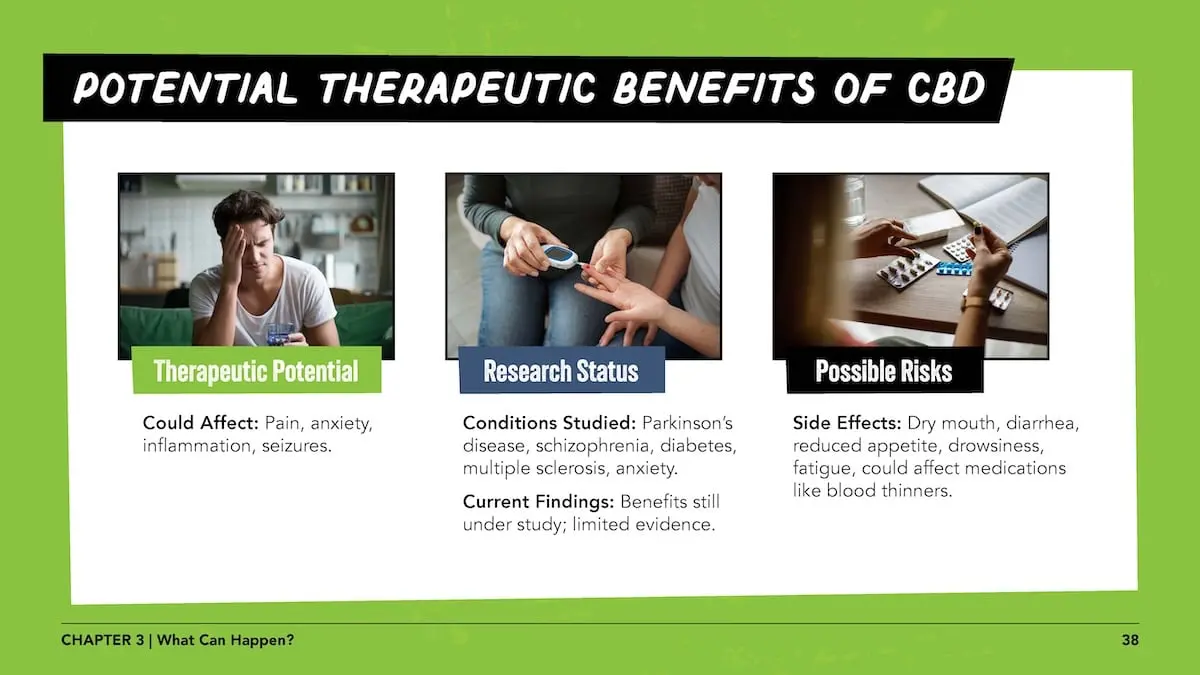
  • Potential therapeutic benefits of CBD. Therapeutic potential - could affect: pain, anxiety, inflammation, seizures. Research status - conditions studied: Parkinson’s disease, schizophrenia, diabetes, multiple sclerosis, anxiety. Current findings: Benefits still under study; limited evidence. Possible risks - side effects: Dry mouth, diarrhea, reduced appetite, drowsiness, fatigue, could affect medications like blood thinners.
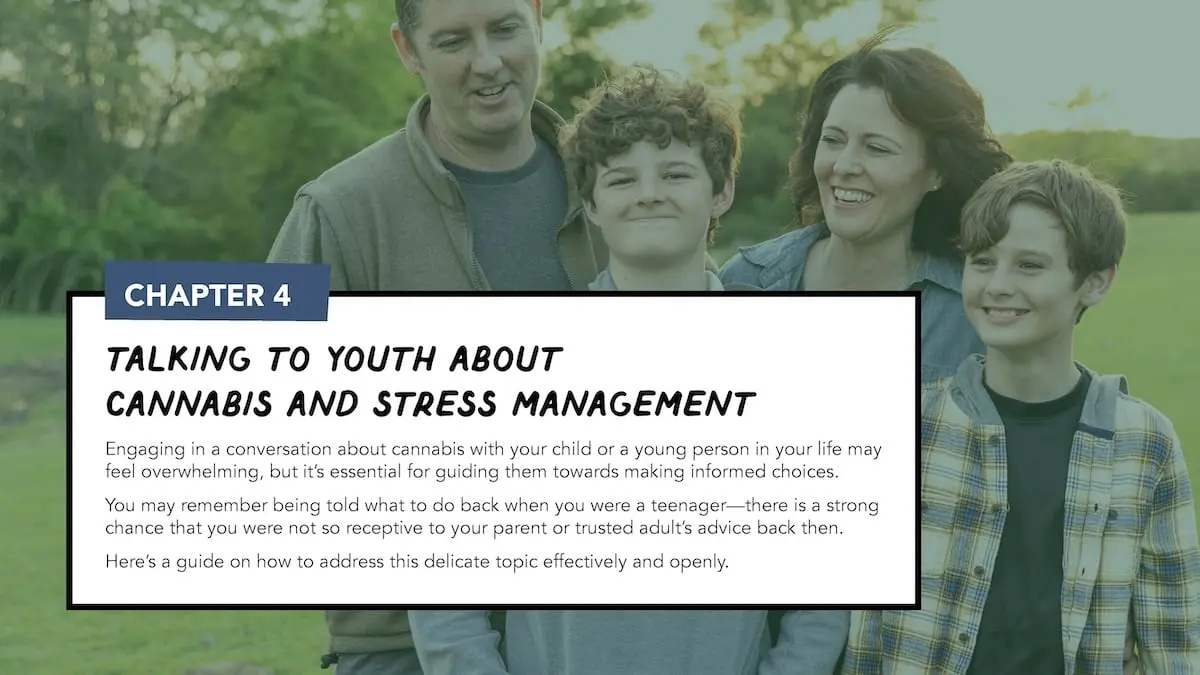
  • Chapter 4: Talking to youth about cannabis and stress management. Engaging in a conversation about cannabis with your child or a young person in your life may feel overwhelming, but it’s essential for guiding them towards making informed choices. You may remember being told what to do back when you were a teenager—there is a strong chance that you were not so receptive to your parent or trusted adult’s advice back then. Here’s a guide on how to address this delicate topic effectively and openly.
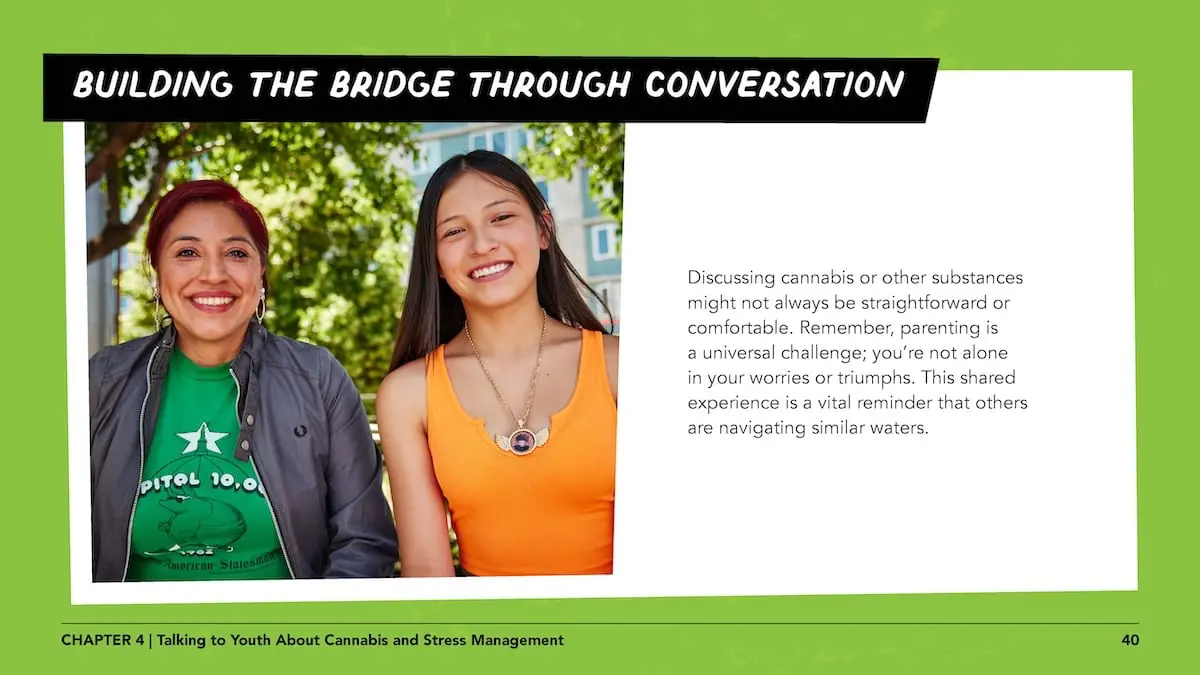
  • Building the bridge through conversation: Discussing cannabis or other substances might not always be straightforward or comfortable. Remember, parenting is a universal challenge; you’re not alone in your worries or triumphs. This shared experience is a vital reminder that others are navigating similar waters.
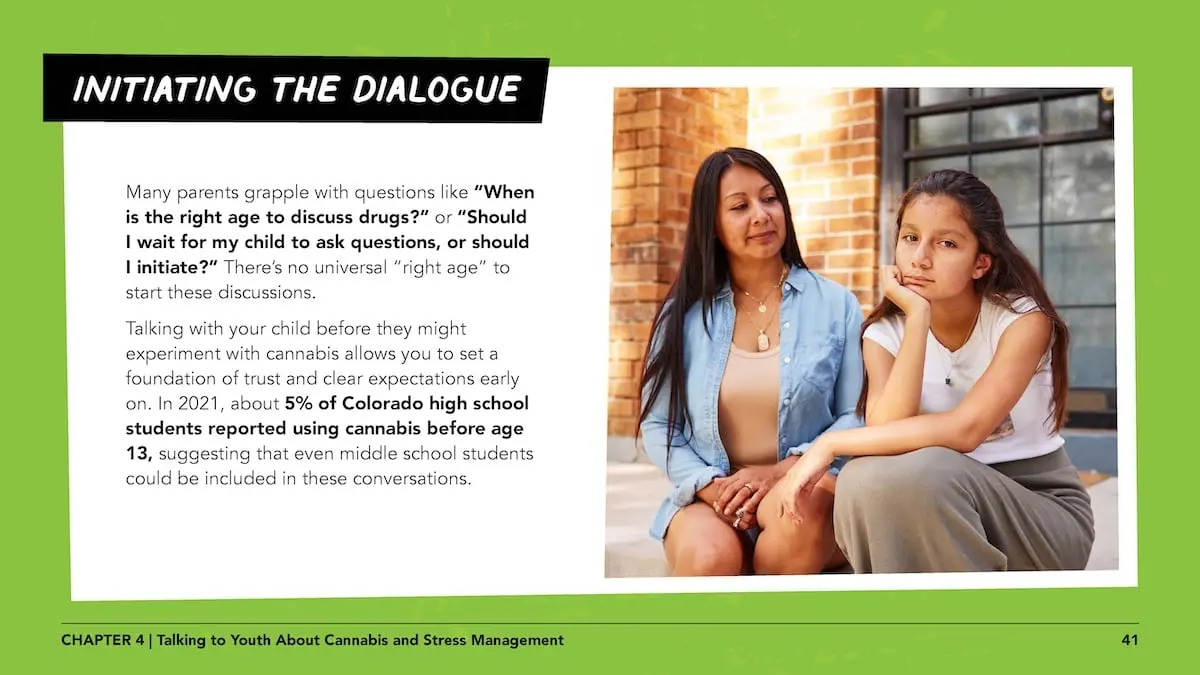
  • Initiating the dialogue: Many parents grapple with questions like “When is the right age to discuss drugs?” or “Should I wait for my child to ask questions, or should I initiate?” There’s no universal “right age” to start these discussions. Talking with your child before they might experiment with cannabis allows you to set a foundation of trust and clear expectations early on. In 2021, about 5% of Colorado high school students reported using cannabis before age 13, suggesting that even middle school students could be included in these conversations.
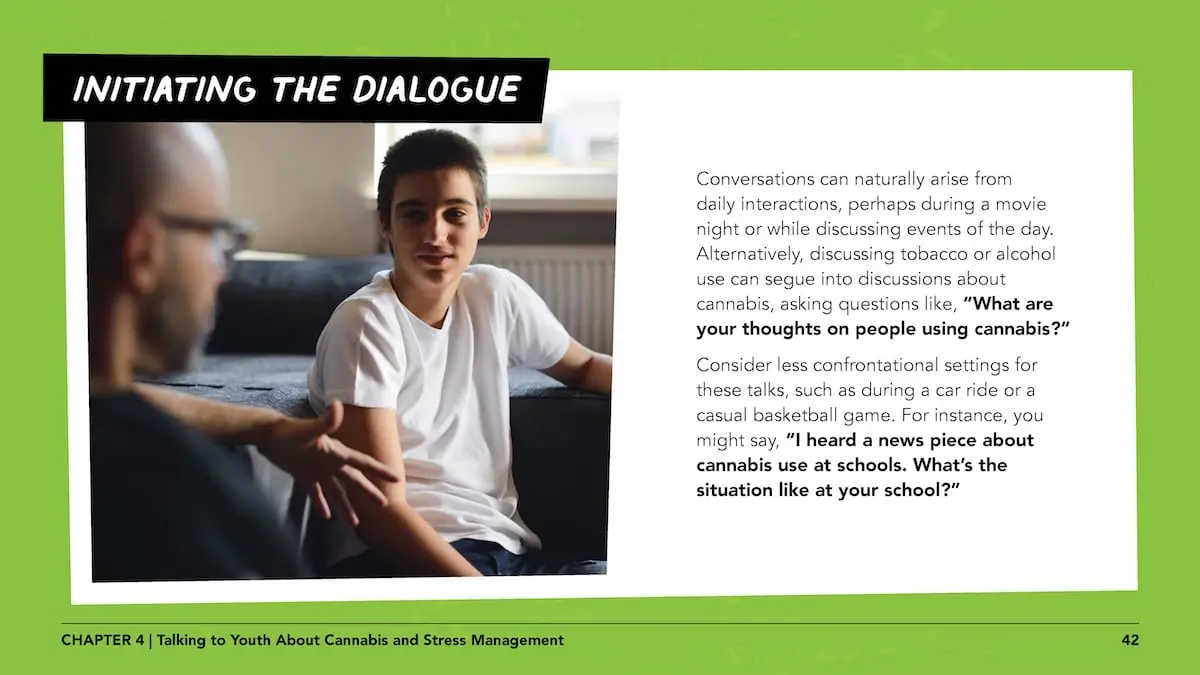
  • Initiating the dialogue: Conversations can naturally arise from daily interactions, perhaps during a movie night or while discussing events of the day. Alternatively, discussing tobacco or alcohol use can segue into discussions about cannabis, asking questions like, “What are your thoughts on people using cannabis?”Consider less confrontational settings for these talks, such as during a car ride or a casual basketball game. For instance, you might say, “I heard a news piece about cannabis use at schools. What’s the situation like at your school?”
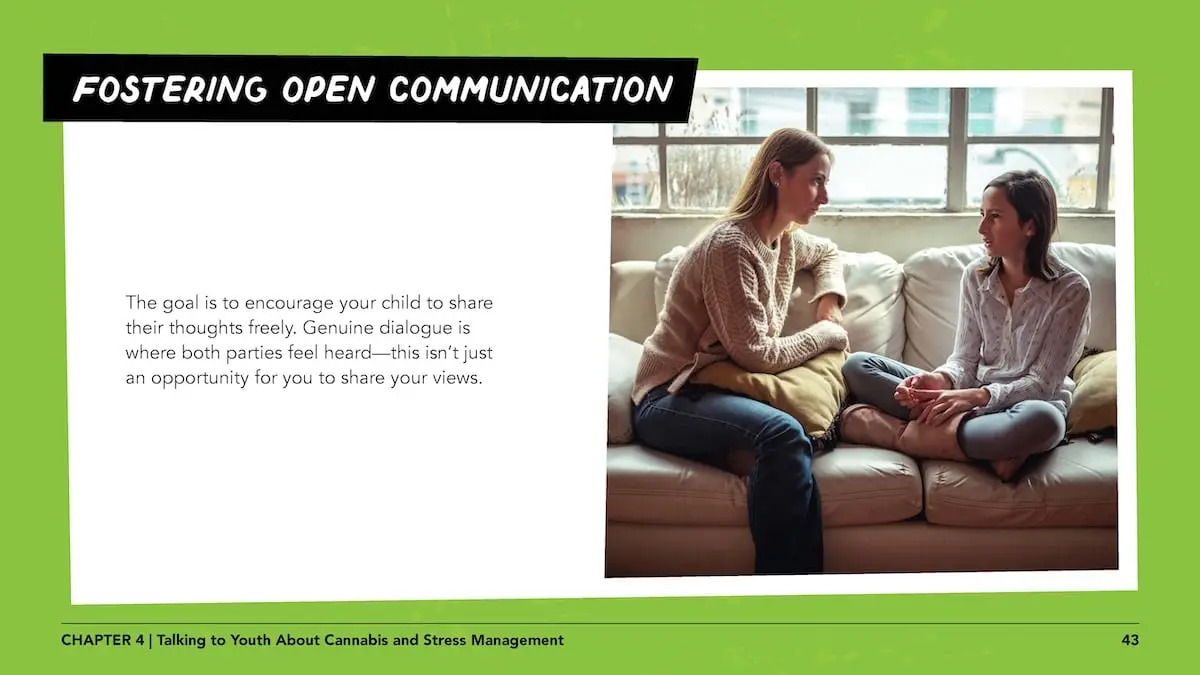
  • Fostering open communication: The goal is to encourage your child to share their thoughts freely. Genuine dialogue is where both parties feel heard—this isn’t just an opportunity for you to share your views.
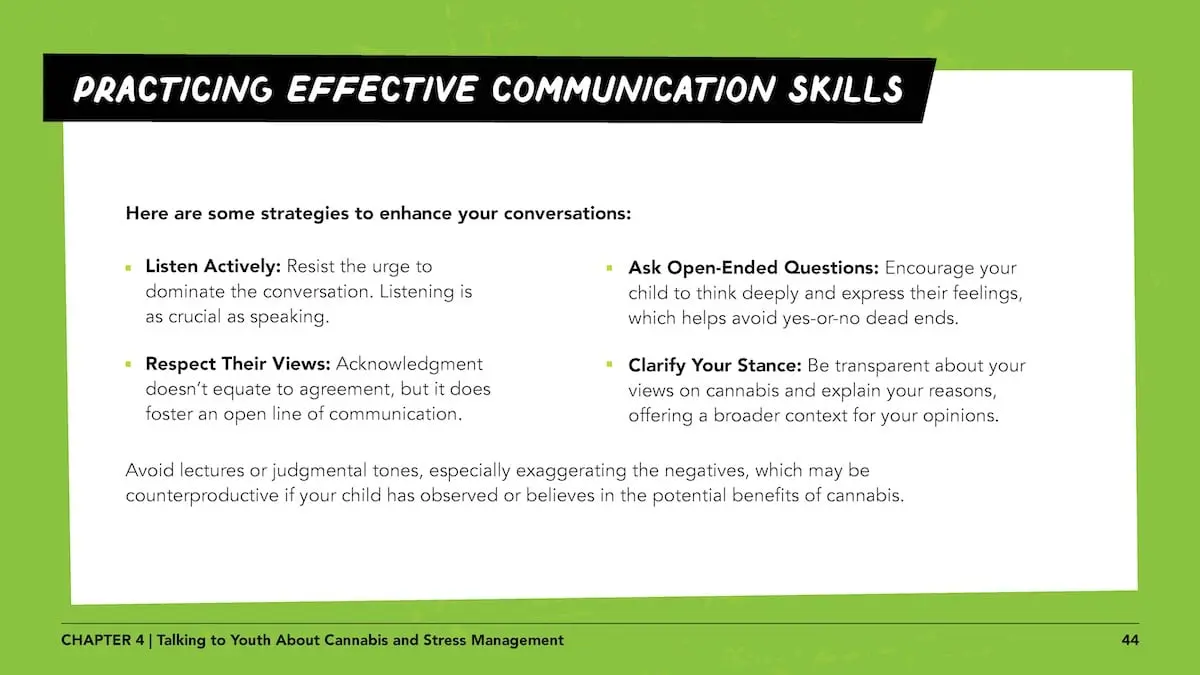
  • Practicing effective communication skills: Here are some strategies to enhance your conversations:Listen Actively: Resist the urge to dominate the conversation. Listening is as crucial as speaking. Respect Their Views: Acknowledgment doesn’t equate to agreement, but it does foster an open line of communication. Ask Open-Ended Questions: Encourage your child to think deeply and express their feelings, which helps avoid yes-or-no dead ends. Clarify Your Stance: Be transparent about your views on cannabis and explain your reasons, offering a broader context for your opinions. Avoid lectures or judgmental tones, especially exaggerating the negatives, which may be counterproductive if your child has observed or believes in the potential benefits of cannabis.
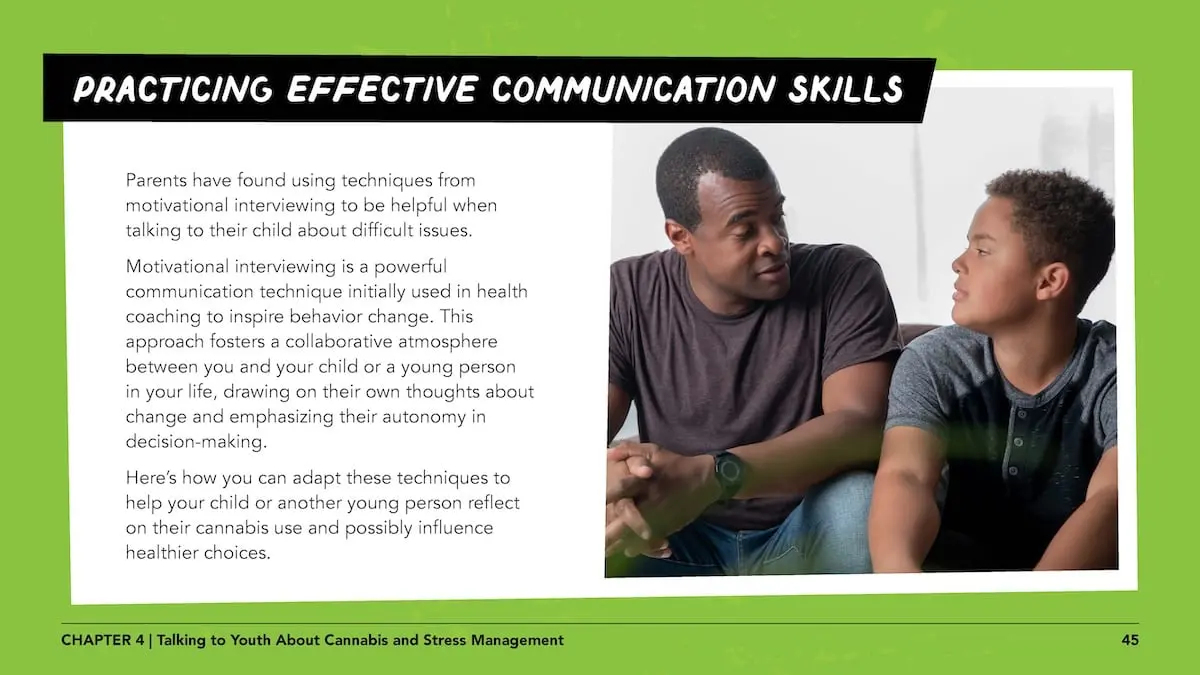
  • Practicing effective communication skills: Parents have found using techniques from motivational interviewing to be helpful when talking to their child about difficult issues.Motivational interviewing is a powerful communication technique initially used in health coaching to inspire behavior change. This approach fosters a collaborative atmosphere between you and your child or a young person in your life, drawing on their own thoughts about change and emphasizing their autonomy in decision-making. Here’s how you can adapt these techniques to help your child or another young person reflect on their cannabis use and possibly influence healthier choices.
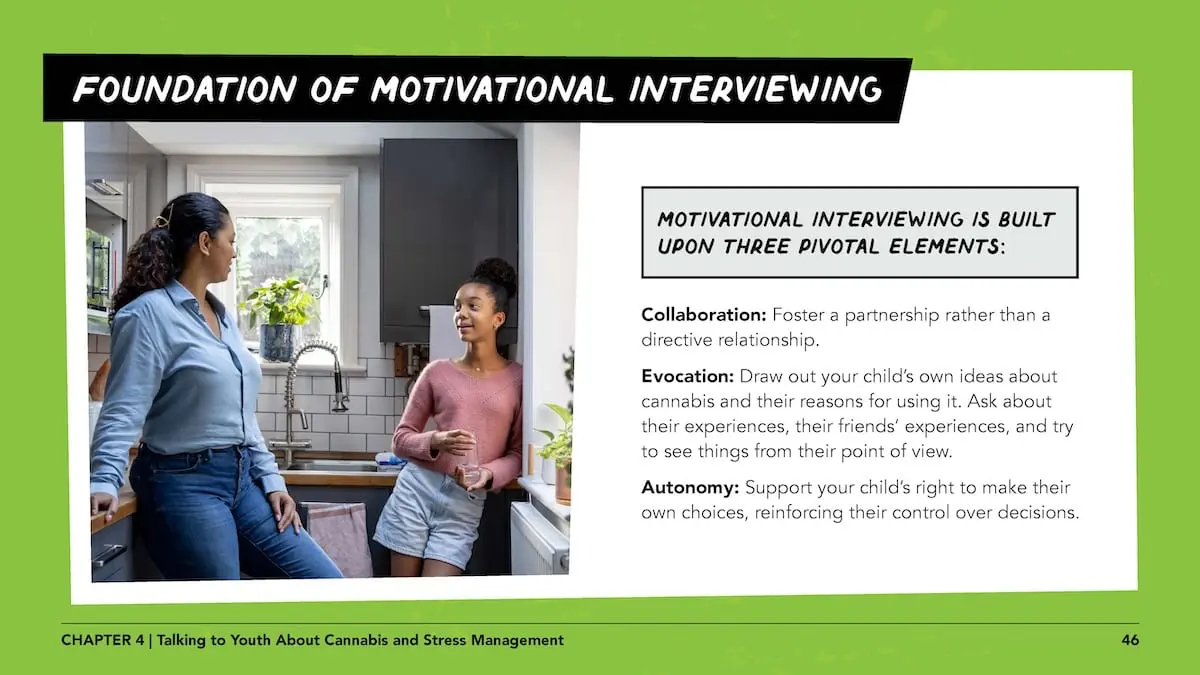
  • Foundation of motivational interviewing - motivational interviewing is built upon three pivotal elements: Collaboration: Foster a partnership rather than a directive relationship. Evocation: Draw out your child’s own ideas about cannabis and their reasons for using it. Ask about their experiences, their friends’ experiences, and try to see things from their point of view. Autonomy: Support your child’s right to make their own choices, reinforcing their control over decisions.
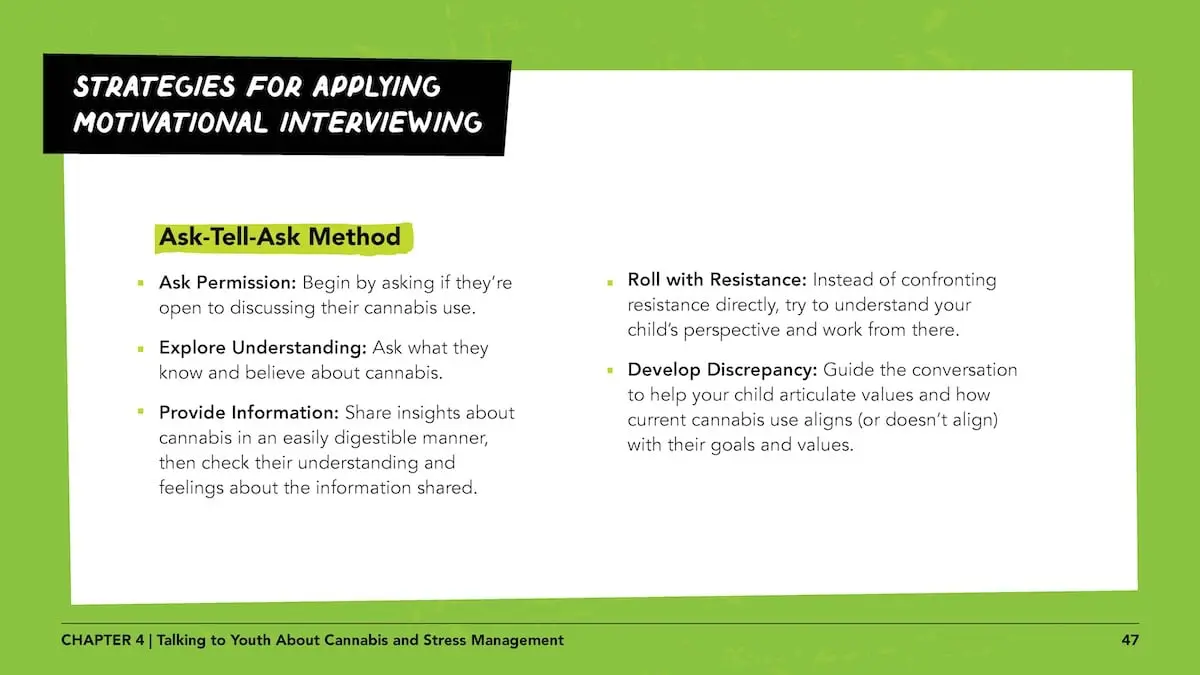
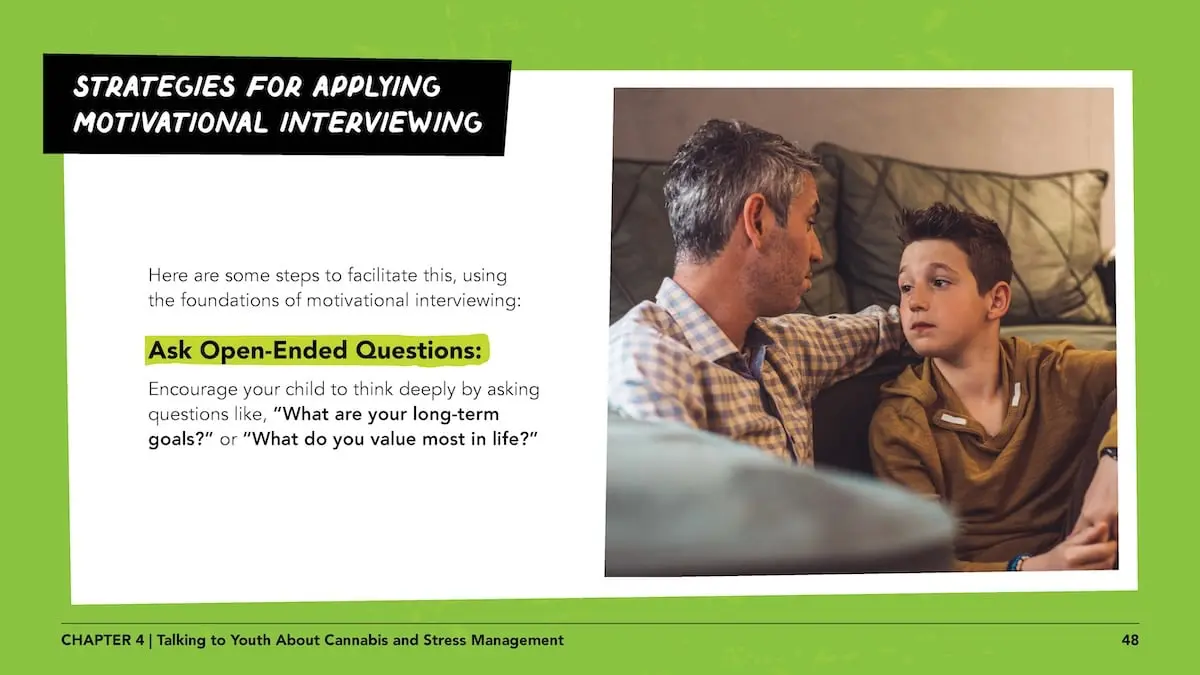
  • Strategies for applying motivational interviewing: Here are some steps to facilitate this, using the foundations of motivational interviewing: Ask open-ended questions: Encourage your child to think deeply by asking questions like, “What are your long-term goals?” or “What do you value most in life?”
  • Strategies for applying motivational interviewing - Here are some steps to facilitate this, using the foundations of motivational interviewing: ask open-ended questions: Encourage your child to think deeply by asking questions like, “What are your long-term goals?” or “What do you value most in life?”
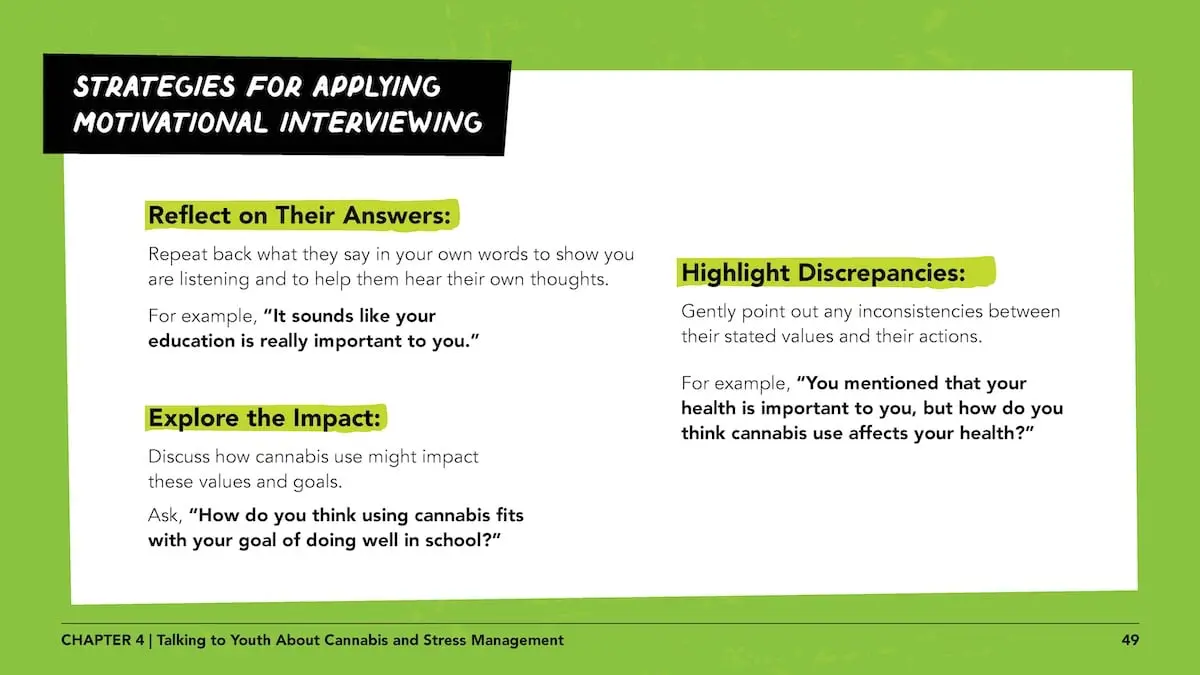
  • Strategies for applying motivational interviewing - reflect on their answers: Repeat back what they say in your own words to show you are listening and to help them hear their own thoughts. For example, “It sounds like your education is really important to you.” Explore the impact: Discuss how cannabis use might impact these values and goals.Ask, “How do you think using cannabis fits with your goal of doing well in school?” Highlight discrepancies: Gently point out any inconsistencies between their stated values and their actions.For example, “You mentioned that your health is important to you, but how do you think cannabis use affects your health?”
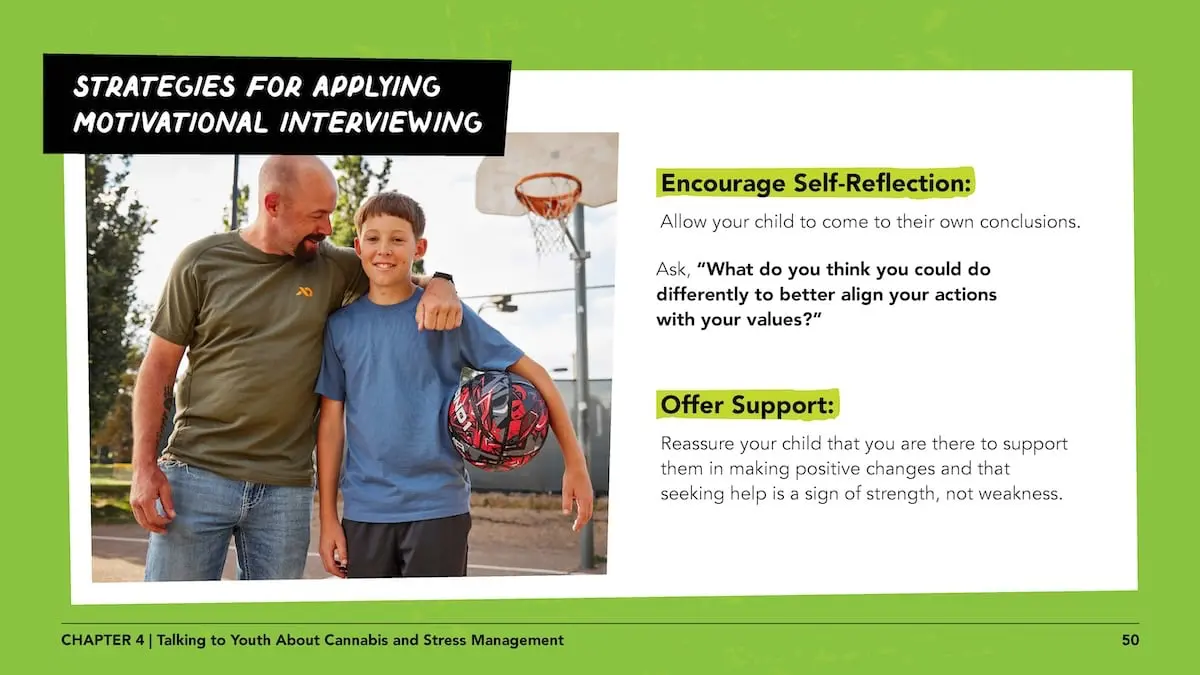
  • Strategies for applying motivational interviewing - encourage self-reflection: Allow your child to come to their own conclusions. Ask, “What do you think you could do differently to better align your actions with your values?” Offer support: Reassure your child that you are there to support them in making positive changes and that seeking help is a sign of strength, not weakness.
  • Strategies for applying motivational interviewing. These steps can help your child gain clarity about their values and the impact of their actions, fostering a more thoughtful approach to their decisions.
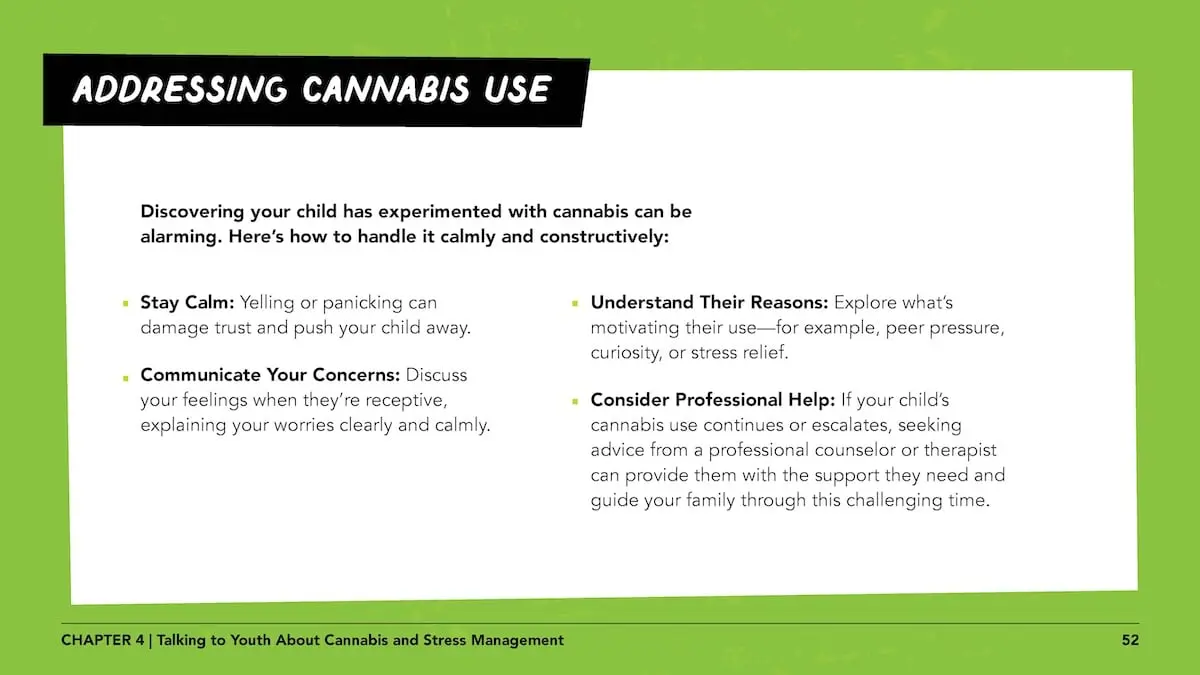
  • Addressing cannabis use - Discovering your child has experimented with cannabis can be alarming. Here’s how to handle it calmly and constructively: Stay Calm: Yelling or panicking can damage trust and push your child away. Communicate Your Concerns: Discuss your feelings when they’re receptive, explaining your worries clearly and calmly.Understand Their Reasons: Explore what’s motivating their use—for example, peer pressure, curiosity, or stress relief. Consider Professional Help: If your child’s cannabis use continues or escalates, seeking advice from a professional counselor or therapist can provide them with the support they need and guide your family through this challenging time.

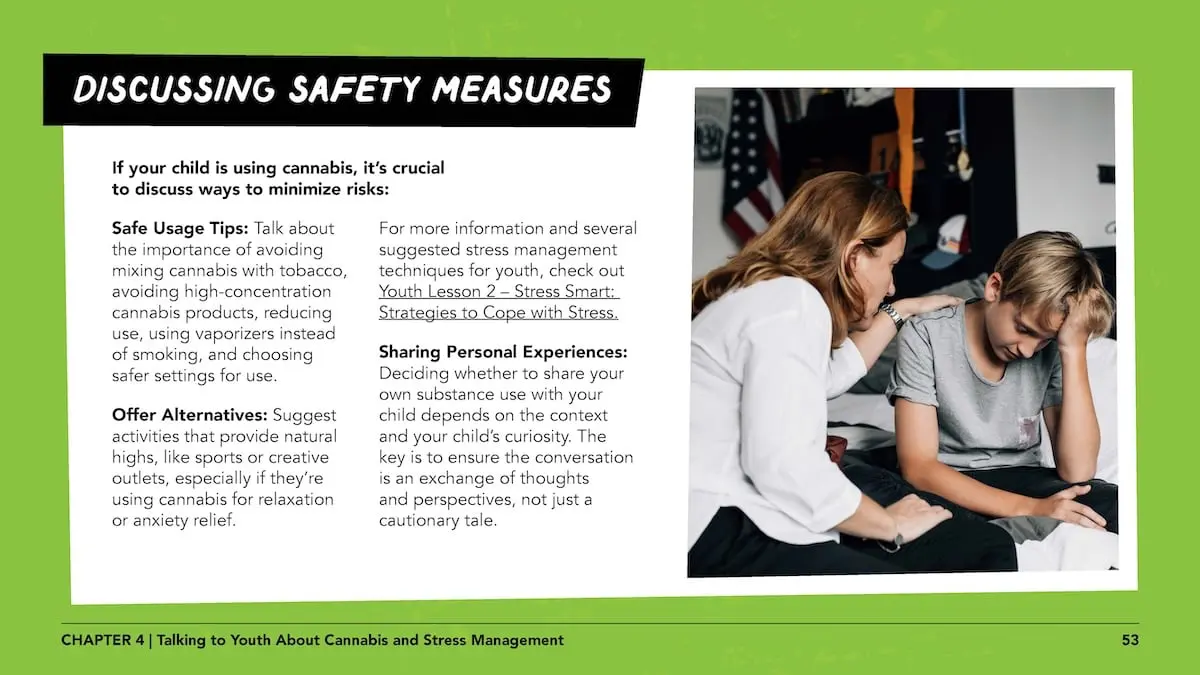
  • Discussing safety measures: If your child is using cannabis, it’s crucial to discuss ways to minimize risks:Safe Usage Tips: Talk about the importance of avoiding mixing cannabis with tobacco, avoiding high-concentration cannabis products, reducing use, using vaporizers instead of smoking, and choosing safer settings for use. Offer Alternatives: Suggest activities that provide natural highs, like sports or creative outlets, especially if they’re using cannabis for relaxation or anxiety relief. For more information and several suggested stress management techniques for youth, check out Youth Lesson 2 – Stress Smart: Strategies to Cope with Stress. Sharing Personal Experiences: Deciding whether to share your own substance use with your child depends on the context and your child’s curiosity. The key is to ensure the conversation is an exchange of thoughts and perspectives, not just a cautionary tale.
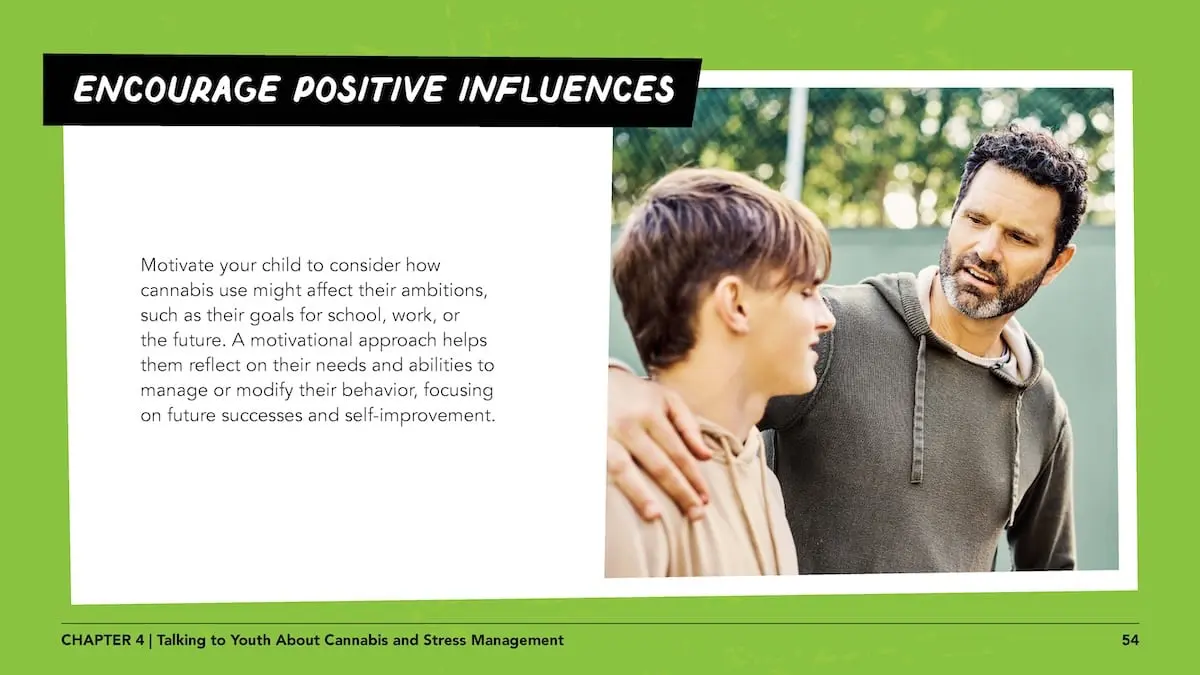
  • Encourage positive influences: Motivate your child to consider how cannabis use might affect their ambitions, such as their goals for school, work, or the future. A motivational approach helps them reflect on their needs and abilities to manage or modify their behavior, focusing on future successes and self-improvement.
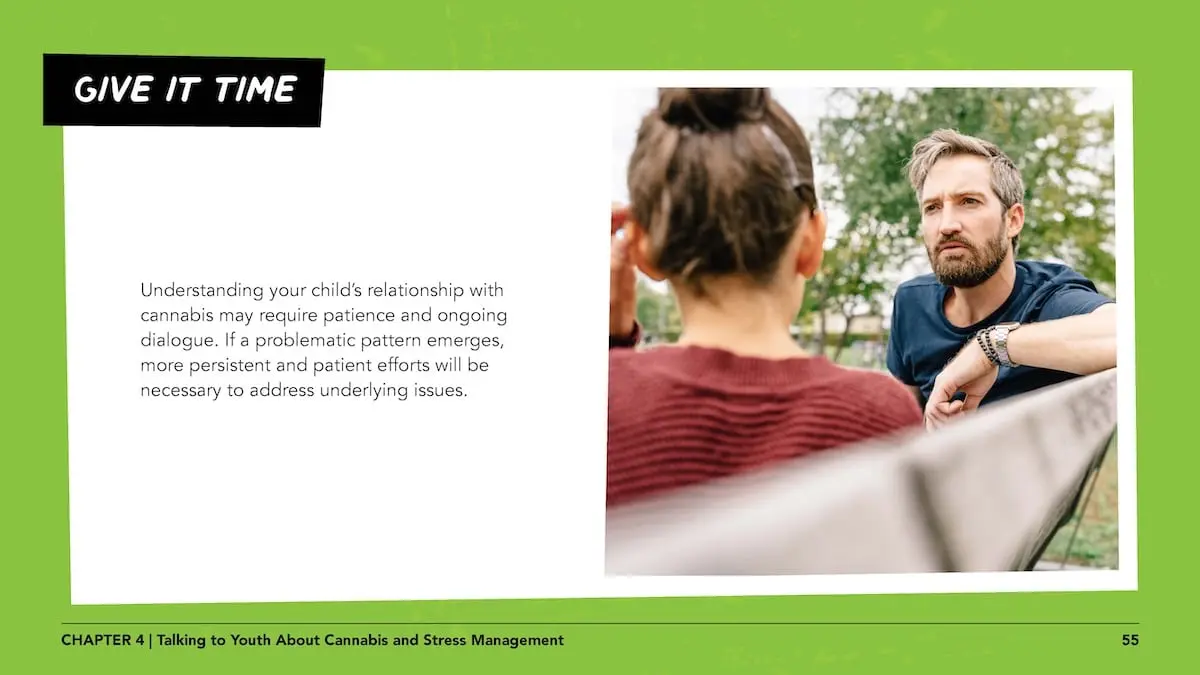
  • Give it time: Understanding your child’s relationship with cannabis may require patience and ongoing dialogue. If a problematic pattern emerges, more persistent and patient efforts will be necessary to address underlying issues.

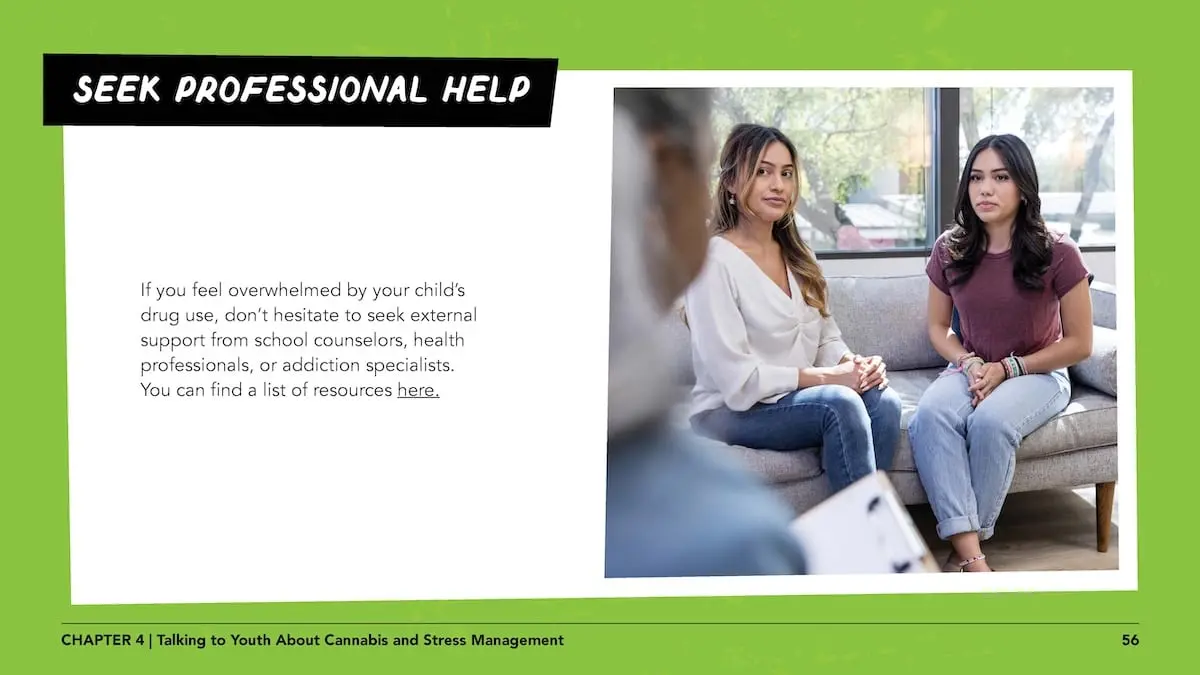
  • Seek professional help: If you feel overwhelmed by your child’s drug use, don’t hesitate to seek external support from school counselors, health professionals, or addiction specialists. You can find a list of resources here (https://teaonthc.org/resources/).
  • Motivational interviewing activity: practicing for a conversation with your teen. Here’s a practical activity to help you apply motivational interviewing techniques in a conversation with your child about cannabis use.
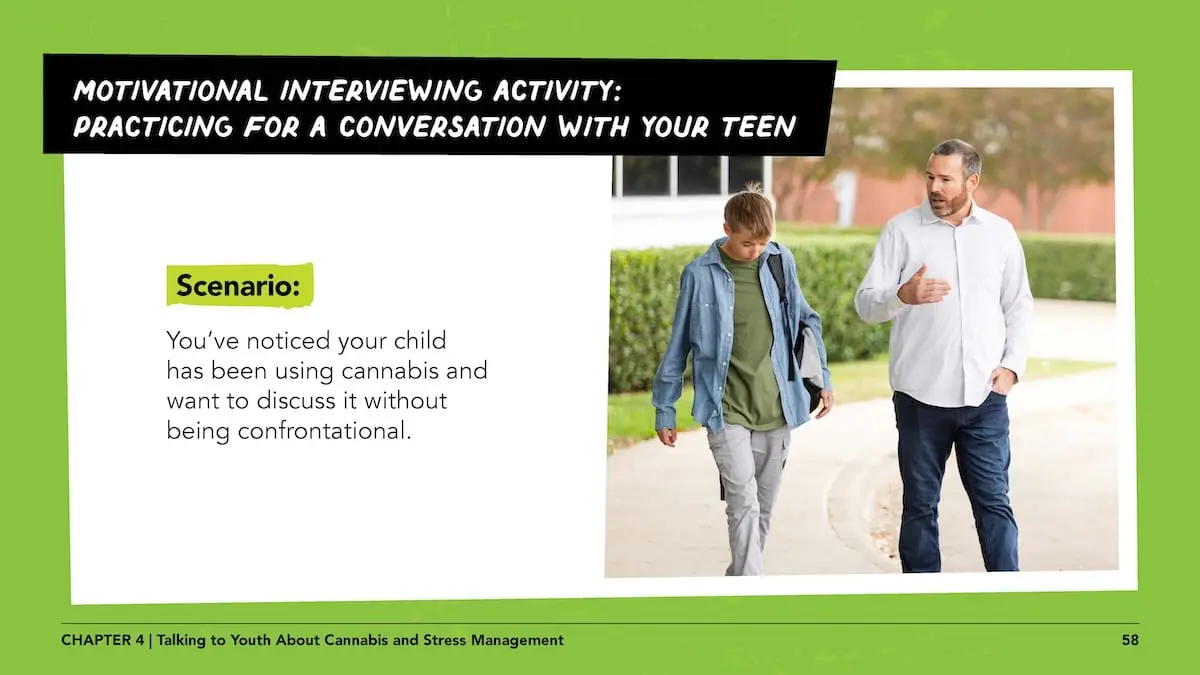
  • Motivational interviewing activity: practicing for a conversation with your teen. Scenario: You’ve noticed your child has been using cannabis and want to discuss it without being confrontational.
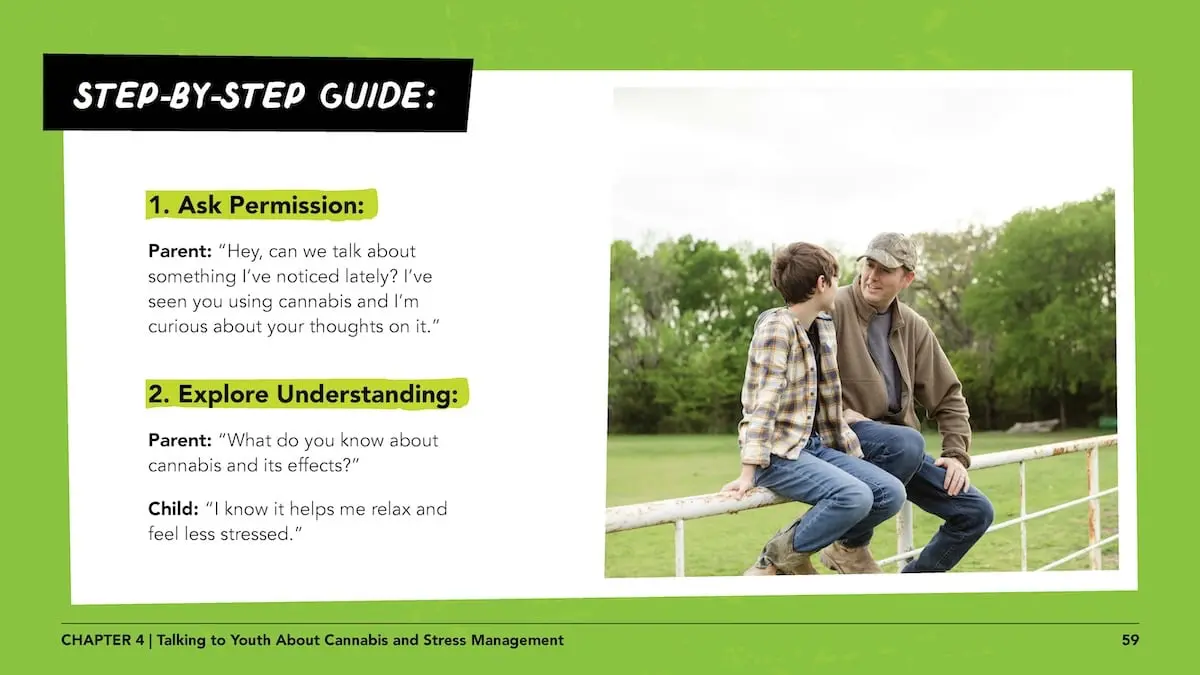
  • Step-by-step guide: 1. ask permission: parent: Hey, can we talk about something I’ve noticed lately? I’ve seen you using cannabis and I’m curious about your thoughts on it.”. 2. Explore understanding: Parent: “What do you know about cannabis and its effects?”Child: “I know it helps me relax and feel less stressed.”
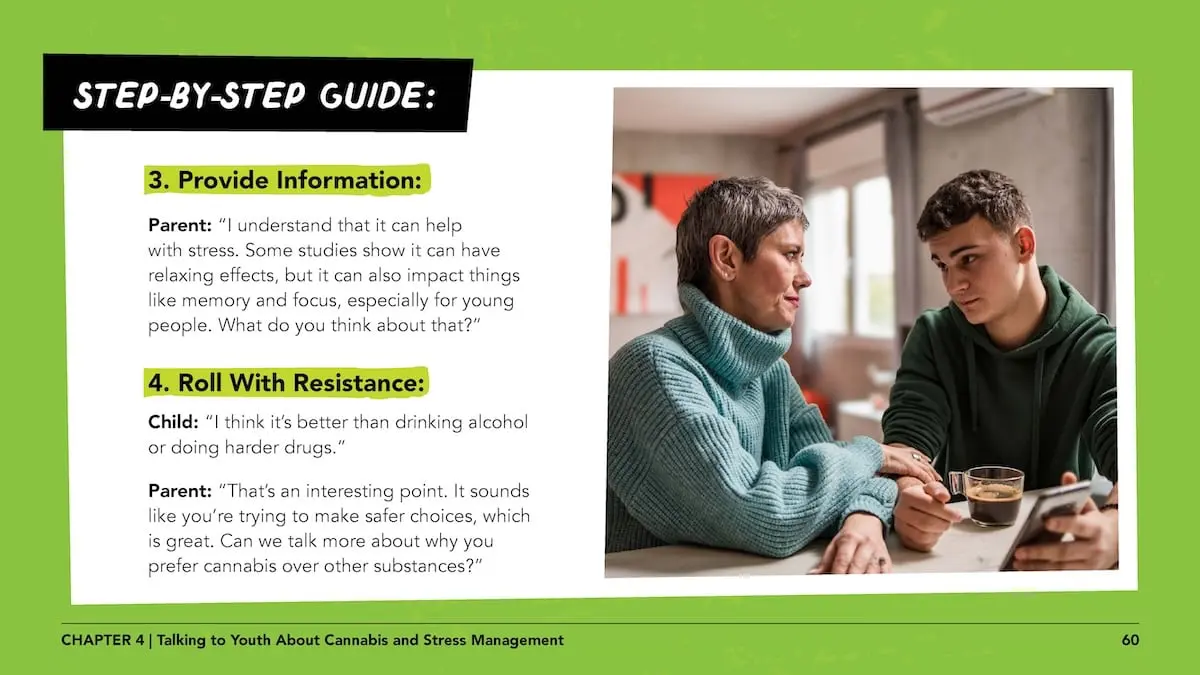
  • Step-by-step guide: 3. provide information: Parent: “I understand that it can help with stress. Some studies show it can have relaxing effects, but it can also impact things like memory and focus, especially for young people. What do you think about that?” 4. Roll with resistance: Child: “I think it’s better than drinking alcohol or doing harder drugs.”Parent: “That’s an interesting point. It sounds like you’re trying to make safer choices, which is great. Can we talk more about why you prefer cannabis over other substances?”
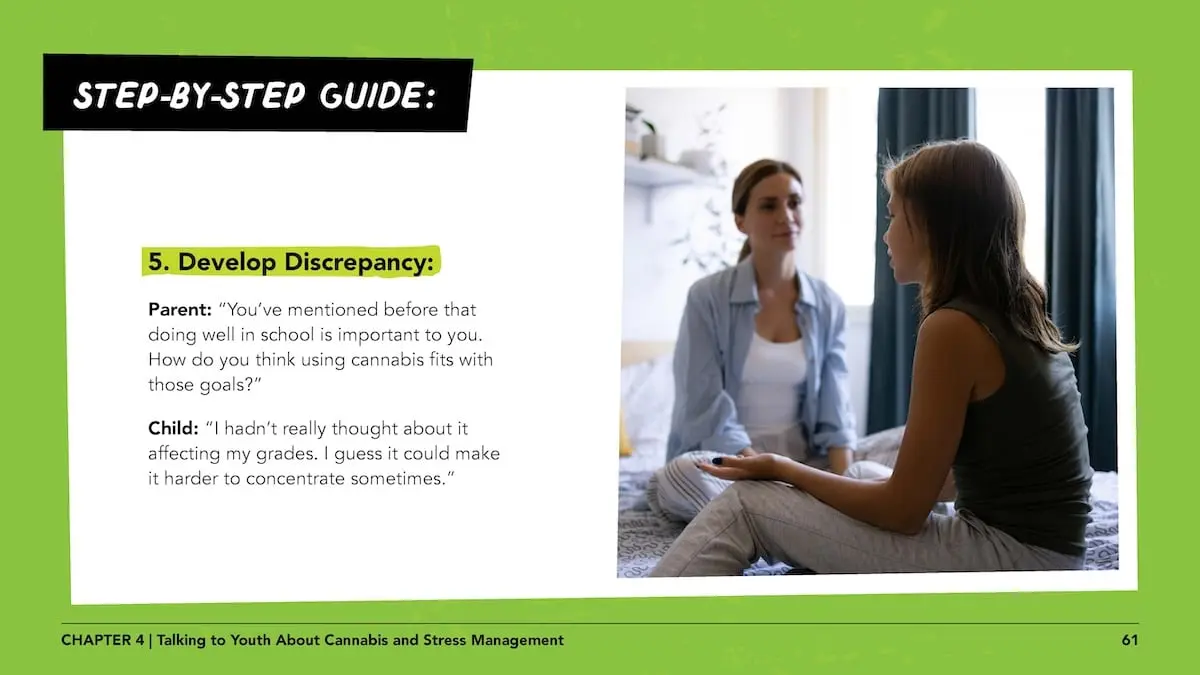
  • Step-by-step guide: 5. develop discrepancy: Parent: “You’ve mentioned before that doing well in school is important to you. How do you think using cannabis fits with those goals?”Child: “I hadn’t really thought about it affecting my grades. I guess it could make it harder to concentrate sometimes.”
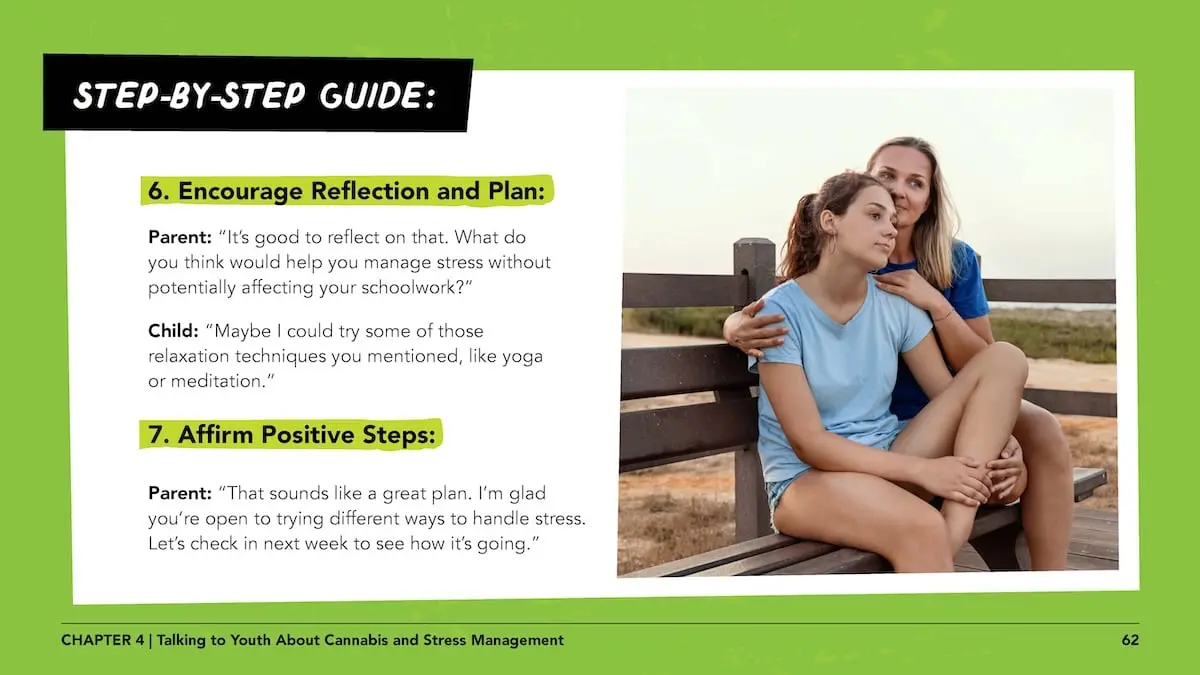
  • Step-by-step guide: 6. encourage reflection and plan: Parent: “It’s good to reflect on that. What do you think would help you manage stress without potentially affecting your schoolwork?”Child: “Maybe I could try some of those relaxation techniques you mentioned, like yoga or meditation.” 7. affirm positive steps: Parent: “That sounds like a great plan. I’m glad you’re open to trying different ways to handle stress. Let’s check in next week to see how it’s going.”
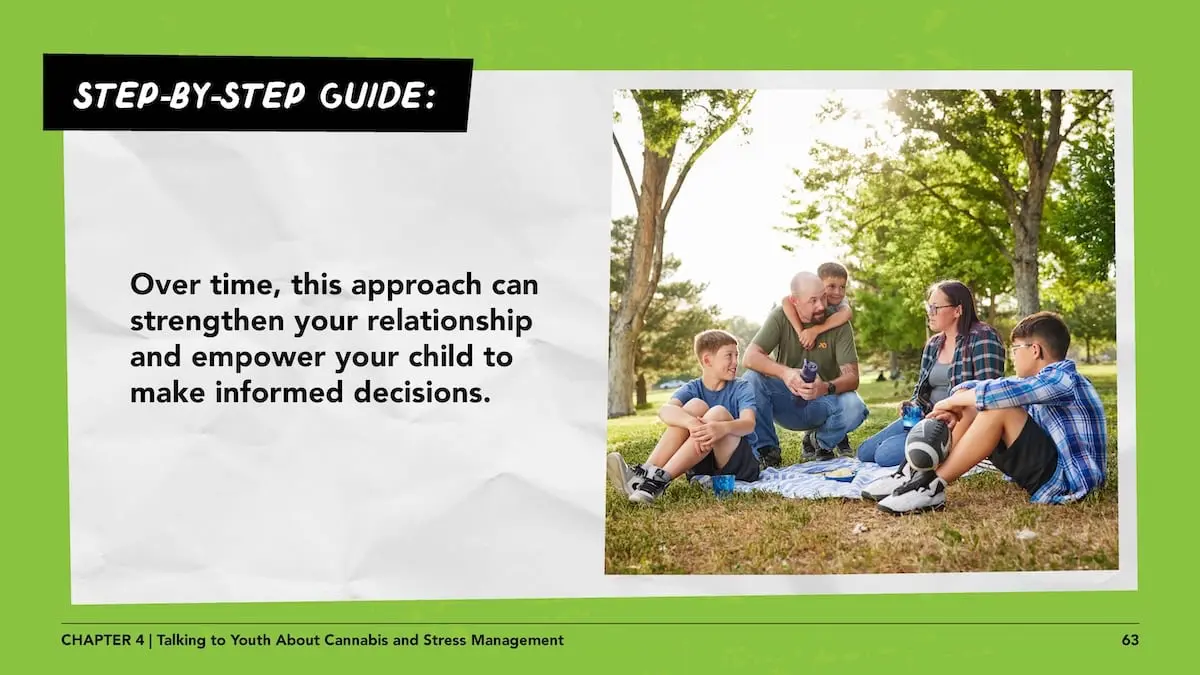
  • Step-by-step guide: Over time, this approach can strengthen your relationship and empower your child to make informed decisions.

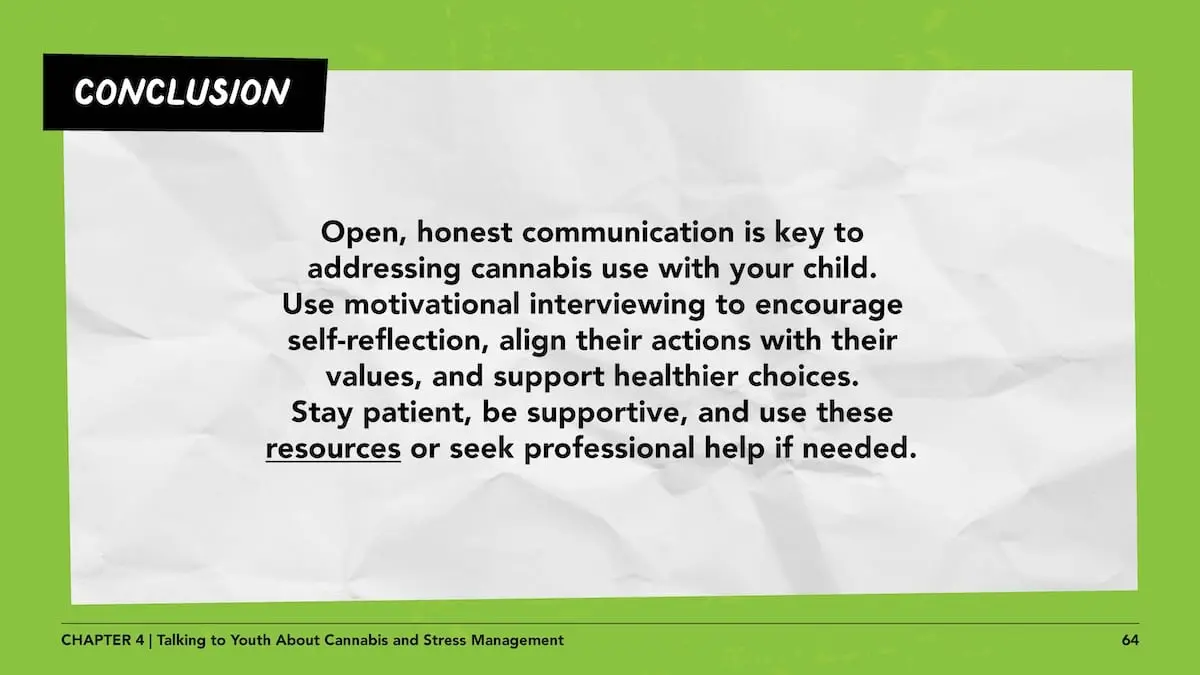
  • Conclusion: Open, honest communication is key to addressing cannabis use with your child. Use motivational interviewing to encourage self-reflection, align their actions with their values, and support healthier choices. Stay patient, be supportive, and use these resources (https://teaonthc.org/resources/) or seek professional help if needed.
For any questions, please email info@teaonthc.org

If you wish to use, copy, distribute or otherwise utilize the contents of the site, please contact Morgan Chen at morgan@initiumhealth.org and/or Travis Leiker at travis.leiker@cuanschutz.edu.

© 2026 The Regents of the University of Colorado, a body corporate. All rights reserved. Powered by Colorado School of Public Health

crossmenu linkedin facebook pinterest youtube rss twitter instagram facebook-blank rss-blank linkedin-blank pinterest youtube twitter instagram